
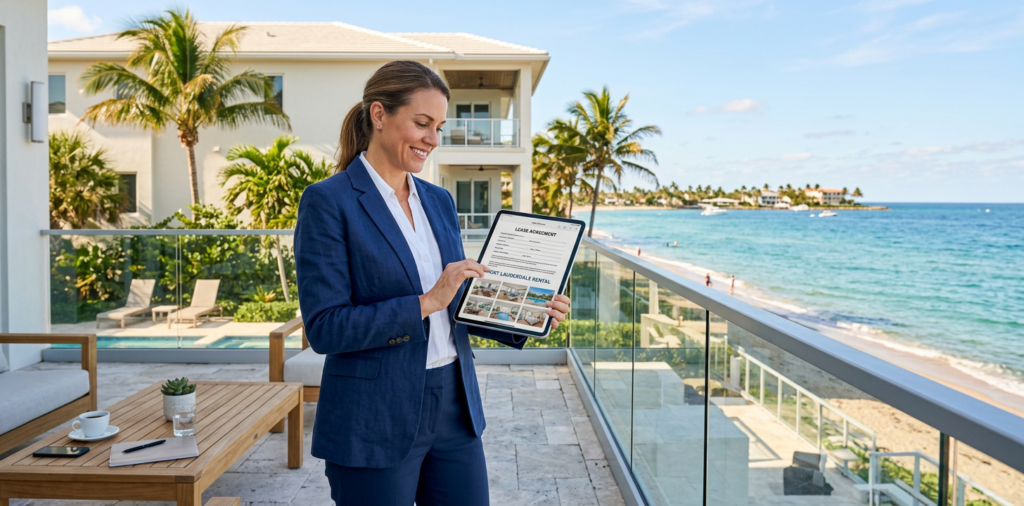
Owning a rental can be a smart move, but doing it from hundreds or even thousands of miles away adds a layer of complexity that catches a lot of landlords off guard. The good news is that how to manage a rental property from another state becomes much easier when you build the right systems, set clear expectations, and stop trying to do everything yourself.
If you are an investor, snowbird, accidental landlord, or someone who simply inherited a property in South Florida, the biggest challenge is not rent collection. It is staying in control without being physically present. That means reliable vendors, strong communication, legal compliance, and a plan for emergencies before they happen.
Start With a Local Game Plan
Remote ownership works best when you treat the property like a business, not a side task. You need local support, a clear process, and someone who can step in fast when the unexpected happens.
For owners in markets like West Palm Beach, Boynton Beach, Delray Beach, Fort Lauderdale, Port Saint Lucie, Fort Pierce, Lake Worth, and Riviera Beach, local conditions matter. Weather, tenant demand, insurance, and maintenance all affect performance, so your strategy should reflect the neighborhood, not just the property type.
Build your local support team
At minimum, you need:
- A property manager or trusted local point of contact
- Licensed vendors for HVAC, plumbing, electrical, roofing, and landscaping
- A real estate attorney or advisor for lease and compliance questions
- An accountant who understands rental income and expense tracking
That team gives you visibility and response time, which are both critical when you are managing from out of state.
Put Systems in Place Before Problems Start
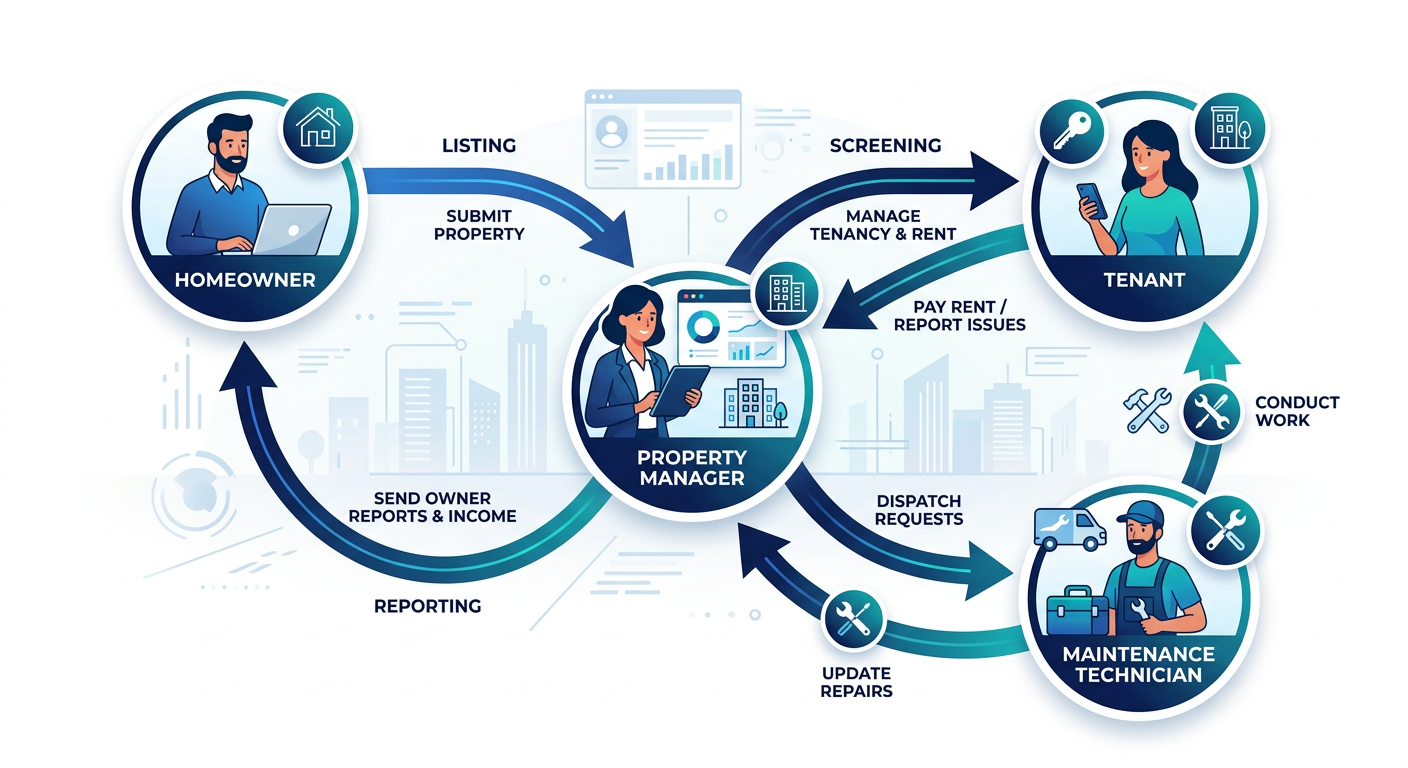
The best remote landlords reduce surprises by using repeatable systems. That includes rent collection, maintenance requests, inspection schedules, and tenant communication.
Use digital tools for everything possible
Choose tools that let you:
- Collect rent online
- Track repairs and approvals
- Store leases and documents securely
- Send notices and reminders automatically
- Monitor expenses and cash flow in one place
When everything is documented, you are less dependent on phone calls and memory. That matters even more when time zones and distance slow down communication.
Schedule inspections and reporting
Routine inspections help you catch small issues before they become expensive ones. Ask for move-in, move-out, and periodic inspection reports with photos and timestamps. If your property manager also provides monthly financial reporting, you will have a much clearer picture of how the asset is performing.
Screen Tenants Carefully
Remote landlords cannot rely on gut instinct alone. Tenant screening becomes even more important when you are not nearby to handle issues personally.
Look for:
- Verified income
- Employment history
- Rental references
- Credit and background checks
- Consistent communication during the application process
A well-screened tenant is one of the most effective ways to reduce turnover, late payments, and property damage.
Stay Ahead of Maintenance
When a pipe bursts or an AC unit fails, distance makes the situation more stressful. The solution is not to hope nothing happens. The solution is to create a maintenance plan.
Focus on preventive care
Preventive maintenance should cover:
- HVAC service before peak heat
- Plumbing checks for leaks and clogs
- Roof and gutter inspections after storms
- Pest control
- Smoke and carbon monoxide detector testing
If you own in South Florida, storm prep is especially important. Hurricane season planning, insurance review, and fast vendor access should be part of your annual checklist.
Approve repairs quickly, but with limits
Set a dollar threshold for automatic approvals. For example, a manager may handle minor repairs immediately, while larger expenses require your sign-off. That keeps the property moving without leaving you out of the loop.
Know the Legal and Financial Side
Managing from another state does not reduce your legal responsibility. In fact, it makes it more important to stay organized.
You should understand:
- Lease terms and local landlord-tenant rules
- Security deposit handling
- Fair housing requirements
- Insurance coverage and exclusions
- Tax reporting for rental income and expenses
If you are not confident in those areas, outsource them. Mistakes in compliance can be far more expensive than hiring the right help.
Use Professional Property Management When It Makes Sense
Sometimes the smartest move is to hire a professional. That is especially true if you own multiple units, live far away, or simply do not want to handle late-night emergencies.
A strong property manager can help with:
- Marketing and tenant placement
- Rent collection
- Maintenance coordination
- Lease enforcement
- Financial reporting
- Portfolio oversight
If your goal is long-term stability and less stress, professional management can protect both your time and your asset.
FAQ
Can I manage a rental property myself if I live in another state?
Yes, but it takes strong systems, reliable vendors, and a lot of organization. If you are not comfortable handling legal, maintenance, or tenant issues remotely, professional management may be a better fit.
What is the biggest mistake remote landlords make?
The most common mistake is waiting until there is a problem to build a process. By then, delays, missed communication, and repair costs are usually higher.
How often should I inspect a remote rental?
Many owners use move-in, move-out, and periodic inspections during the lease term. The right schedule depends on the property, tenant profile, and local market conditions.
Do I need a property manager for one rental home?
Not always, but even a single-family home can benefit from local support if you live out of state. If the property is in a high-demand or weather-sensitive area, help can be well worth it.
How do I protect myself from bad maintenance charges?
Require vendor invoices, photo documentation, and approval thresholds for larger repairs. You should always be able to review the work and the cost.
What should snowbirds do with a seasonal rental?
Snowbirds should set expectations early, keep maintenance scheduled, and make sure someone local can respond if something goes wrong while they are away.
Make Long-Distance Ownership Easier
If you want to manage a rental successfully from another state, the formula is simple, even if the execution is not. Put the right people in place, automate what you can, and stay disciplined with maintenance, tenant screening, and reporting.
For owners in South Florida, especially in places like West Palm Beach, Delray Beach, Fort Lauderdale, and Port Saint Lucie, local expertise can make a major difference. A well-run rental does not just collect rent, it protects your investment and builds long-term value.
If you want help with long-term rental management, asset oversight, or a property strategy built for out-of-state ownership, connect with a local team that understands the market and the day-to-day realities of remote ownership. Visit https://beacheswelcomeservice.com/ to learn how professional support can simplify your rental operation and give you peace of mind.
Final Thoughts
Learning how to manage a rental property from another state is really about control, not distance. Once you have the right systems, the right team, and the right expectations, you can run a strong rental business without living nearby. The more proactive you are, the smoother the ownership experience becomes.

