

If you suddenly find yourself renting out a house in South Florida, you are not alone. Many homeowners become landlords by circumstance, and the practical steps you take in the first days separate stress from steady cash flow. Accidental landlord south florida help is about protecting your asset, following the rules, and choosing the right support for your situation.
Why this matters now
The South Florida market is seasonal, local rules vary by county, and tenant expectations are different here than in many other parts of the country. That combination means an unexpected landlord who moves quickly and smartly will preserve value and avoid common legal and financial pitfalls. Here is a practical, prioritized Day 2 playbook for accidental landlords across West Palm Beach, Boynton Beach, Delray Beach, Fort Lauderdale, Port Saint Lucie, Fort Pierce, Lake Worth, and Riviera Beach.
First 7 actions for accidental landlords
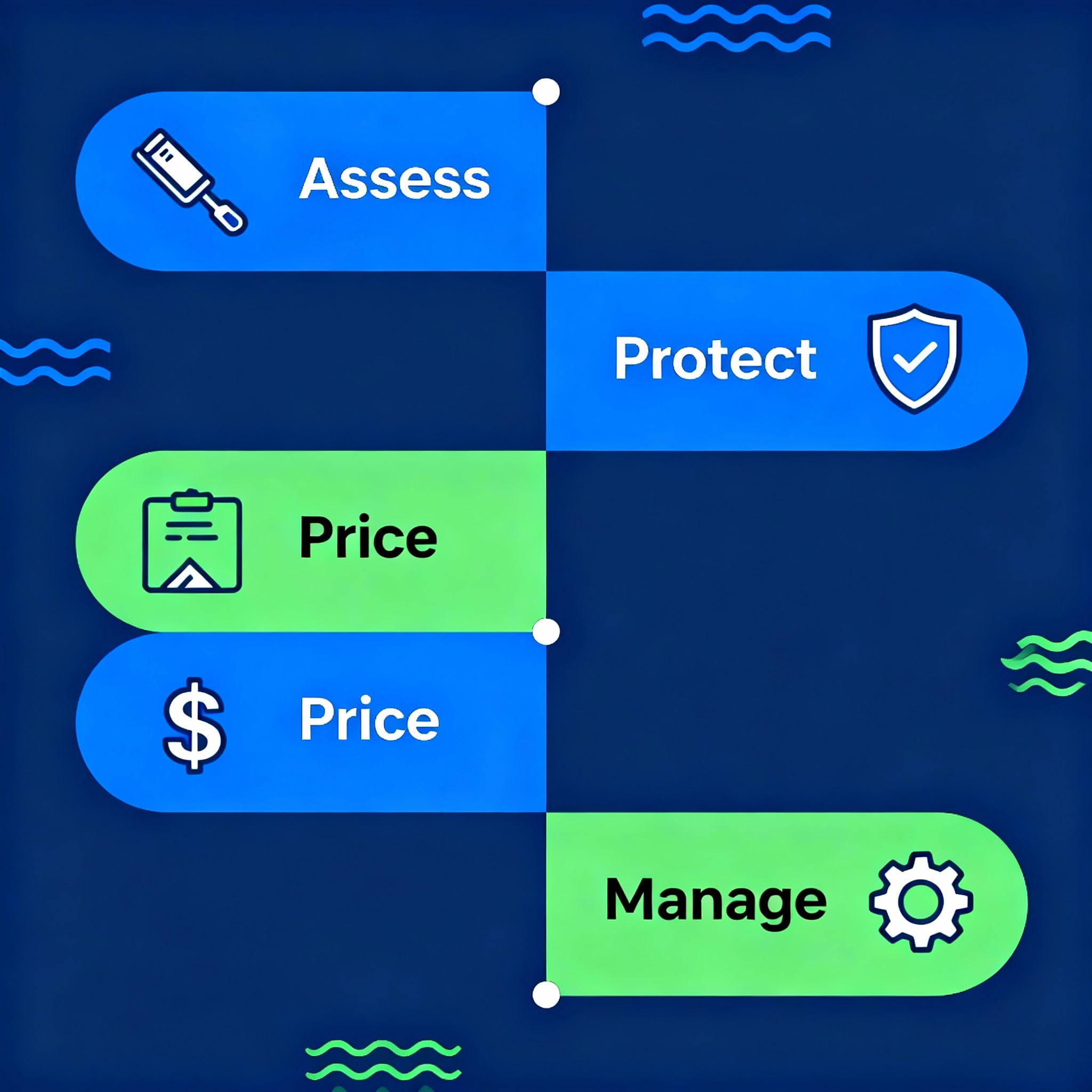
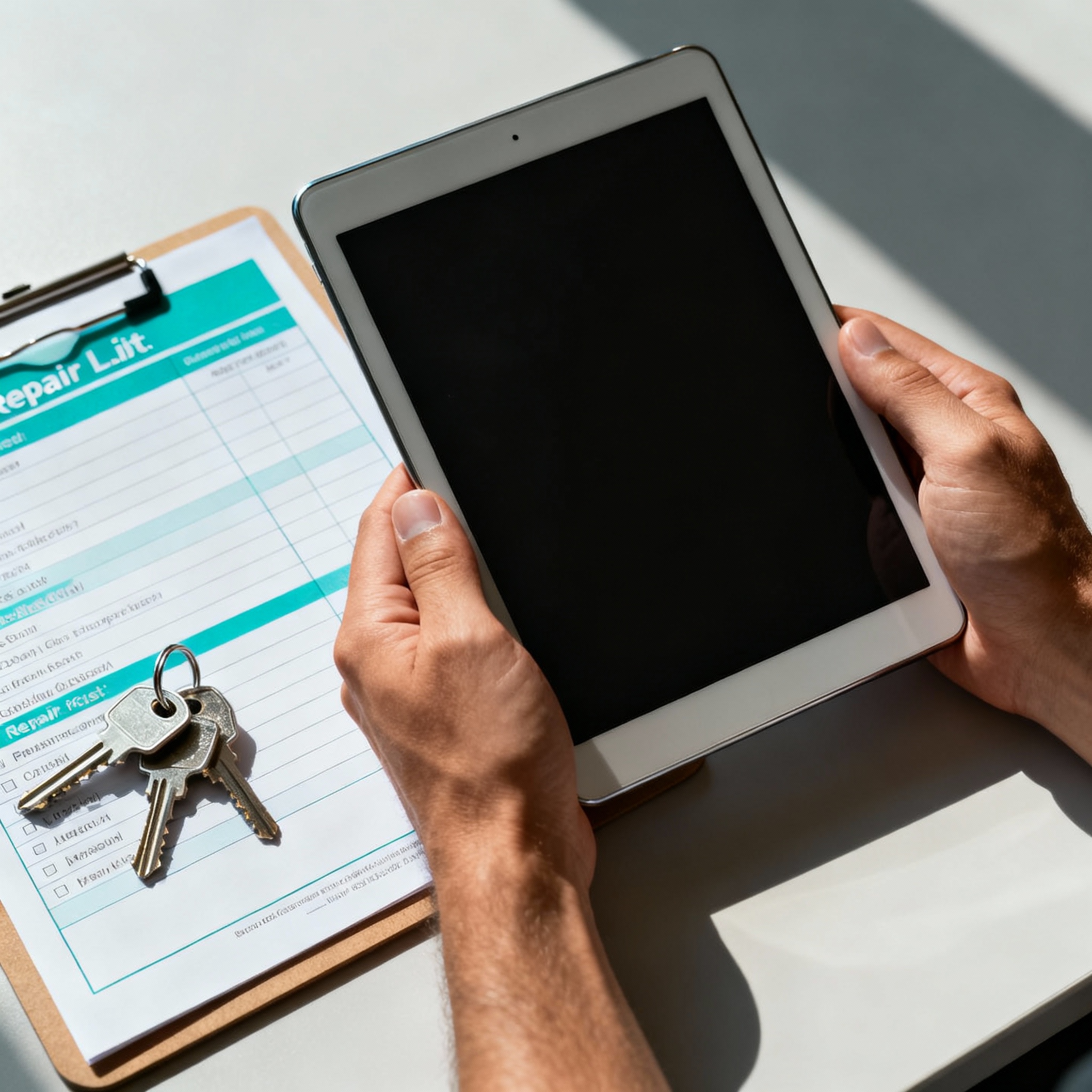
1. Do a quick property audit
- Walk the property room by room and take dated photos and short notes. Prioritize safety issues like electrical, HVAC, and pools. A documented baseline reduces later disputes and supports insurance claims.
2. Set clear legal and compliance priorities
- Learn the key landlord duties under Florida law, especially maintenance obligations and notice requirements. A short read of the Florida landlord-tenant statutes helps you avoid costly mistakes. See Florida’s landlord obligations for specifics. Also review federal fair housing rules from HUD before you publish your listing to avoid unintentional discrimination.
3. Separate finances immediately
- Open a dedicated bank account for rent and expenses. Track repairs, management fees, and insurance separately to make tax time and any sale or exit far smoother. For tax basics on rental income and depreciation, review IRS Publication 527.
4. Decide how you will manage the property
- Ask yourself if you want to self-manage, hire a local property manager, or start with a hybrid approach. For out-of-state owners and snowbirds, local full-service management usually pays for itself through faster repairs and lower vacancy. Learn about professional options on our Property Management page.
5. Price and screen strategically
- Price using local comparables and seasonality, especially in snowbird-heavy neighborhoods. Use consistent, documented screening criteria to comply with fair housing rules and reduce risk. Keep your screening forms and policies on file.
6. Protect your insurance and liability
- Talk to an insurance agent about landlord and short-term rental coverages, especially if you plan to rent furnished. Require tenants to carry renter liability insurance when appropriate.
7. Build a simple process map
- Create three workflows: tenant onboarding, maintenance & emergencies, and accounting & taxes. Keep one contact sheet for trusted local vendors and emergency phone numbers.
Practical choices: self-manage vs hire help
- Self-manage, if you live nearby and enjoy hands-on work, but accept the time commitment and legal exposure. Use standardized lease forms and a trusted tenant screening provider.
- Hire a local manager if you live out of market, are a snowbird, or own multiple units. A manager handles marketing, vetting, maintenance coordination, and legal notices. Compare service levels and ask for local references.
Learn more about full-service and a la carte management options on our Property Management page.
Taxes, recordkeeping, and exit planning
Rent is taxable. Keep receipts and records, separate repairs from capital improvements, and track depreciation. Consult a CPA experienced in rental property to choose the right reporting approach and to evaluate sale timing or 1031 exchange options if you are considering selling. For federal guidance, see IRS Publication 527.
Local legal realities to know
- Florida law has specific notice periods and eviction procedures, and landlords must comply exactly with statutory timelines to avoid delays. Review Florida landlord obligations and county court resources if eviction becomes necessary.
- Federal fair housing law prohibits discriminatory advertising, inconsistent screening, and certain blanket denials. HUD provides clear guidance you should review before finalizing policies or ad copy.
Common objections and quick answers
- "I do not want to be a landlord." You can outsource day-to-day operations to a trusted local manager and retain ownership. That preserves the asset while someone else handles the headaches.
- "I’m worried about taxes." A good CPA will often pay for themselves by identifying deductions and planning depreciation and exit strategies.
- "I inherited this property and don’t want to sell." Start with secure insurance, a baseline inspection, and a short-term manager while you decide longer-term plans. See our guide on inherited property options.
Frequently Asked Questions
What immediate notices or disclosures do I need to give tenants in Florida?
You must follow Florida statute notice and disclosure rules, particularly around security deposits and required local disclosures. Keep copies of all notices and consult county court forms when needed.
How do I set rent for a beach-area seasonal market like Delray Beach or Boynton Beach?
Use recent comparables, factor seasonal demand from snowbirds, and consider furnished, short-term options in peak months. Listing photos and responsive communication reduce vacancy.
Should I require renter’s insurance or responsibility for utilities?
Yes, requiring renter liability insurance is a low-cost protection for landlords. Clarify utility responsibilities in the lease and document any transfers.
What are my responsibilities for repairs and habitability in Florida?
Florida law requires landlords to maintain the property in compliance with applicable health and safety codes and to make necessary repairs. Review Florida statutes on landlord obligations for exact language.
How long does an eviction take in Florida?
Timelines vary by county and case complexity. If a tenant contests the eviction, expect several weeks to months. Always follow statutory notice requirements precisely.
Can I use online tenant screening services?
Yes, but use them carefully. Ensure your screening criteria are consistent and comply with fair housing laws. HUD guidance on screening practices is helpful.
When should I hire a property manager versus selling the property?
If you want passive ownership without daily work, hire a manager. If your goals have shifted and you want liquidity or simpler holdings, talk to a realtor experienced with investor sales and tax planning.
Ready to make this easier?
If you want local, practical help for long-term rentals, single-family and multi-family management, vacation rental support, or asset oversight, start with a short consultation. Visit Beaches Welcome Service to schedule a no-pressure review and tailored Day 1 plan for your property.
https://beacheswelcomeservice.com/
Conclusion
Becoming an accidental landlord in South Florida can feel overwhelming, but it does not have to be. Start with a quick audit, clear legal and financial separation, realistic pricing and screening, and a management decision that matches your time and risk tolerance. With the right early moves and local partners, you will protect your asset, stabilize cash flow, and avoid the avoidable headaches. If you want help, we are local, responsive, and ready to guide you through the first 30 days and beyond.

