
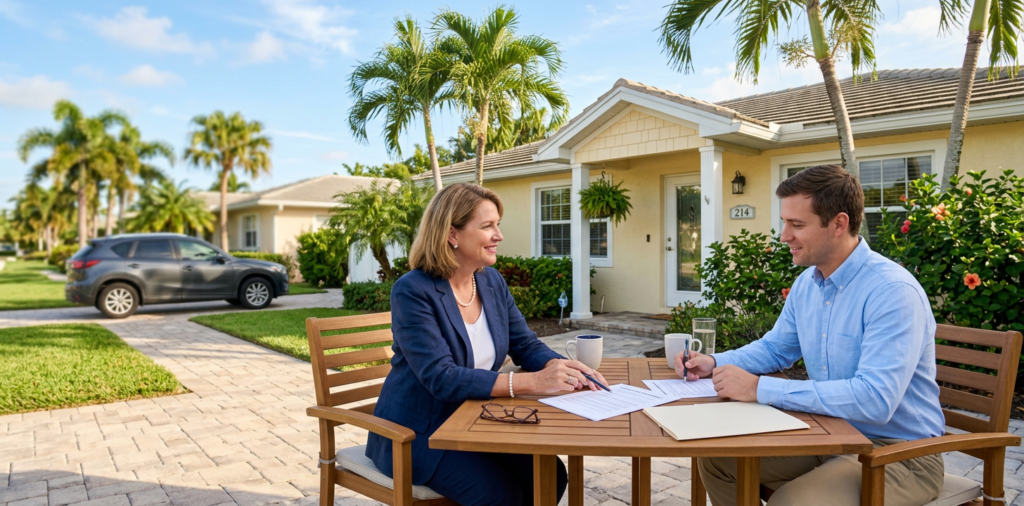
Florida can be a rewarding place to own rental property, but it also comes with a learning curve. If you’re figuring out how to be a landlord Florida, the biggest mistake is assuming it’s just about collecting rent and handling repairs when something breaks.
The truth is simpler and more important, you need a system. From screening tenants to staying on top of maintenance, good landlords protect cash flow, reduce stress, and keep their properties in strong shape for the long haul.
Whether you’re an investor, an accidental landlord, or a snowbird renting out a home part-time, this guide will help you build a smarter approach that works in South Florida and beyond.
Start With The Right Mindset
Being a landlord is part business, part customer service, and part risk management. If you treat it casually, the property will usually remind you why that matters.
Think of yourself as the operator of a small real estate business. That means setting clear rules, documenting everything, and making decisions based on numbers instead of emotions.
Know Your Property Type
A single-family home in West Palm Beach will not need the same management style as a multi-family property in Fort Lauderdale. Vacation-adjacent homes, seasonal rentals, and long-term rentals all have different expectations, legal considerations, and maintenance demands.
If you own more than one property, create separate records for each one. That makes it easier to track income, expenses, repairs, and performance over time.
Learn The Basics Of Florida Landlord Responsibilities
Florida landlords should understand lease terms, security deposits, habitability, maintenance obligations, and eviction procedures. Those details matter because one missed step can turn into a dispute that costs time and money.
A good habit is to review your lease before every new tenancy and make sure it matches current Florida requirements and your actual policy. If you own property in Delray Beach, Boynton Beach, Lake Worth, or Riviera Beach, local rental demand may be strong, but strong demand does not replace good paperwork.
Put Everything In Writing
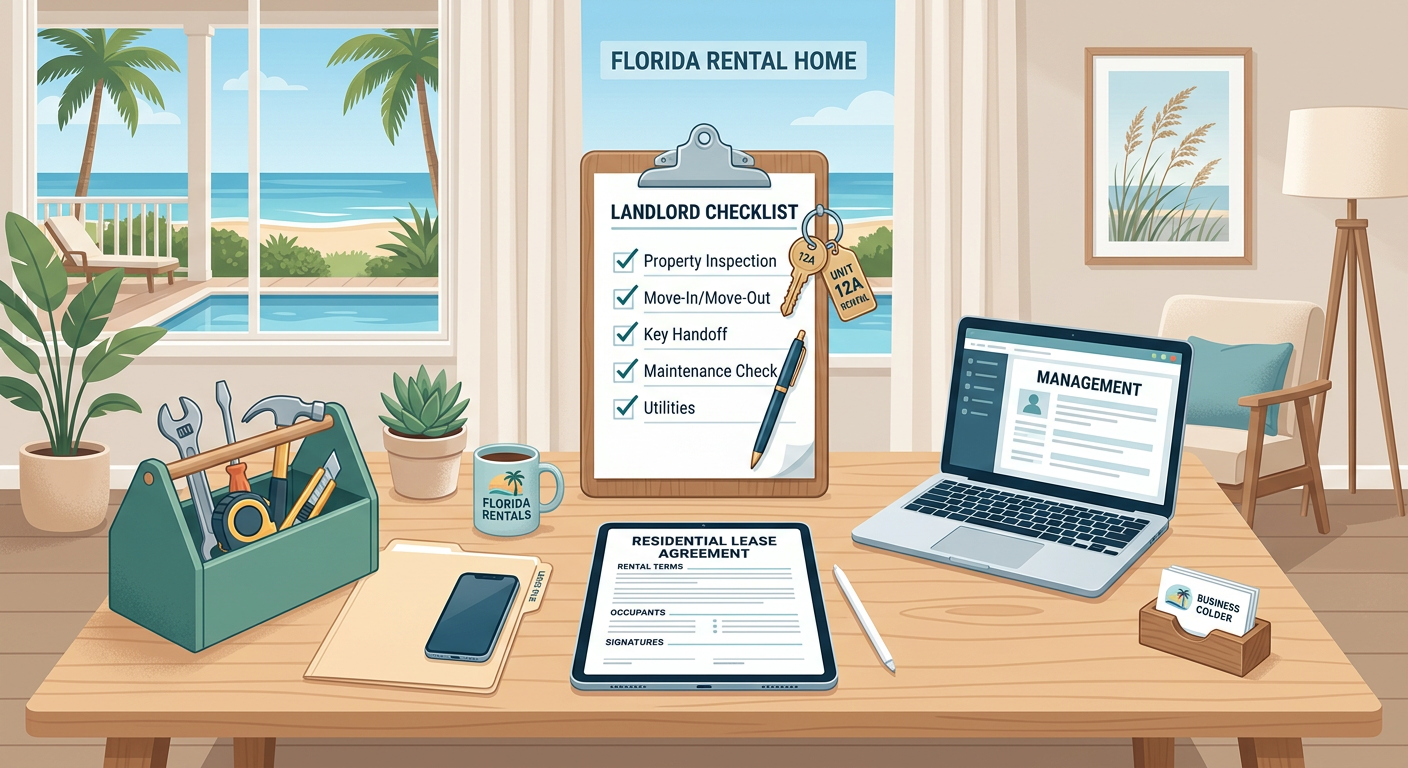
Use a written lease every time. Verbal agreements create confusion, especially when there are late fees, pets, parking, utilities, or maintenance responsibilities involved.
Also keep written records of notices, repairs, tenant communications, and move-in and move-out inspections. When something goes wrong, documentation is your best defense.
Screen Tenants Carefully
Tenant screening is one of the most important parts of learning how to be a landlord Florida. A well-qualified tenant usually costs less over time than a rushed approval that leads to missed rent, property damage, or turnover.
Use a consistent screening process for every applicant. That should include income verification, rental history, background checks where allowed, and a review of references.
Be Consistent And Fair
Apply the same criteria to every applicant. Consistency helps protect you from discrimination claims and also makes your process more professional.
If you work with a property management company, ask them exactly how they screen tenants and how they document the decision-making process.
Price The Rental Correctly
Good pricing is a balance. Go too high and your property sits vacant. Go too low and you leave money on the table.
Look at comparable rentals in your area and compare features like square footage, condition, parking, pet policies, and whether the home is furnished. A rental in Port Saint Lucie may support a different price point than a similar home in Fort Lauderdale because neighborhood demand and property type can vary.
Watch The Market, Not Your Emotions
It is easy to overvalue a property you own. The market does not care what you paid for it or what your mortgage is.
Review pricing regularly, especially if the home has been sitting longer than expected. Sometimes a small adjustment creates a much better result than waiting for the perfect tenant who never appears.
Maintain The Property Proactively
The best landlords do not wait until something fails. They build a maintenance plan and follow it.
Regular HVAC service, roof checks, plumbing inspections, pest control, and landscape care can save you from much bigger repair bills later. In Florida’s climate, this matters even more because heat, humidity, salt air, and storms can speed up wear and tear.
Create A Repair Response System
Set expectations for tenants about how to report issues and how quickly you will respond. Emergency repairs should have a clear process, not a back-and-forth text chain at midnight.
A simple vendor list can save time too. Keep contacts for plumbing, electrical, HVAC, roofing, and general repairs ready before a problem happens.
Handle Security Deposits And Move-Outs Carefully
Security deposits can become a headache if you do not handle them cleanly from day one. Use a detailed move-in inspection, take photos, and document the property condition before the tenant takes possession.
At move-out, compare the condition against your move-in records. That helps you separate normal wear and tear from actual damage.
Make The Process Transparent
Tell tenants what you are looking for before move-out. Clear expectations reduce disputes and make the whole process smoother.
If you need to withhold funds, explain the reason in writing and keep your documentation organized. A transparent process usually works better than a defensive one.
Stay On Top Of Local Compliance
Landlord rules can change, and local practices can differ across South Florida markets. If you own rentals in multiple cities, make compliance part of your regular review process instead of something you only check after a problem.
It is smart to stay current on fair housing rules, lease language, notice requirements, and any local registration or rental regulations that may apply. For legal and regulatory updates, a reliable starting point is the Florida Legislature and the U.S. Department of Housing and Urban Development.
Know When To Get Professional Help
Not every landlord wants to be hands-on forever. Some owners want more control, while others want less stress and better scalability.
That is where professional property management can help. If you own in South Florida, West Palm Beach, Boynton Beach, Delray Beach, Fort Lauderdale, Port Saint Lucie, Fort Pierce, Lake Worth, or Riviera Beach, a local team can help with leasing, rent collection, maintenance coordination, and portfolio oversight.
The Right Support Can Improve Performance
If you are juggling work, travel, family, or multiple homes, professional management can protect your time and your asset. It can also help reduce vacancy, streamline repairs, and create more consistent reporting.
FAQ
What is the most important first step for a new landlord in Florida?
Start with a written lease, a tenant screening process, and a maintenance plan. Those three pieces solve many of the problems new landlords run into.
Do I need a property manager to rent out my home in Florida?
Not necessarily, but many owners benefit from one. A property manager can save time, reduce stress, and handle day-to-day issues if you do not want to be fully hands-on.
How do I reduce tenant turnover?
Keep the property well maintained, respond quickly to repairs, and communicate clearly. Good tenants are more likely to renew when they feel respected and the home is cared for.
Should I allow pets in my rental?
That depends on your strategy, property type, and insurance considerations. Pet-friendly rentals often attract more applicants, but you should set clear rules and expectations.
What records should I keep as a landlord?
Keep leases, inspection reports, rent records, repair invoices, notices, and communication logs. Strong records make management easier and disputes less stressful.
How often should I inspect my rental property?
Many landlords inspect at move-in, during approved mid-lease intervals if allowed, and again at move-out. Regular inspections help catch maintenance issues early.
Let’s Make Your Rental Easier To Manage
If you want help turning your rental into a smoother, better-performing asset, Beaches Welcome Service can support you with long-term rental management, vacation rental management, asset oversight, and investor-focused real estate services. Whether you own one home or a growing portfolio, local expertise can make a real difference.
Visit https://beacheswelcomeservice.com/ to learn how professional management can help you protect your property and your peace of mind.
Final Thoughts
Learning how to be a landlord Florida is really about building a repeatable system. When you screen well, document everything, maintain proactively, and stay compliant, you put yourself in a much stronger position.
And if you want to grow without getting buried in day-to-day tasks, the right local partner can help you do it with less stress and better results.

