

Owning or managing multi family rentals in Fort Pierce brings steady income, but it also brings a complex mix of state and local rules you must follow. Here’s a practical, investor-focused guide that explains what matters most, from habitability and security deposits to short-term rental registration and code enforcement. In this article you’ll see how Florida law interacts with Fort Pierce ordinances and local processes, plus actionable steps you can take today to reduce risk and protect your returns.
In the paragraphs that follow I will highlight core landlord obligations, local registration issues, eviction basics, and compliance tips for multi-family owners. To make the key idea clear up front, note that landlord laws for multi family properties fort pierce combine state landlord-tenant law, county code enforcement, and city rules for short-term rentals.
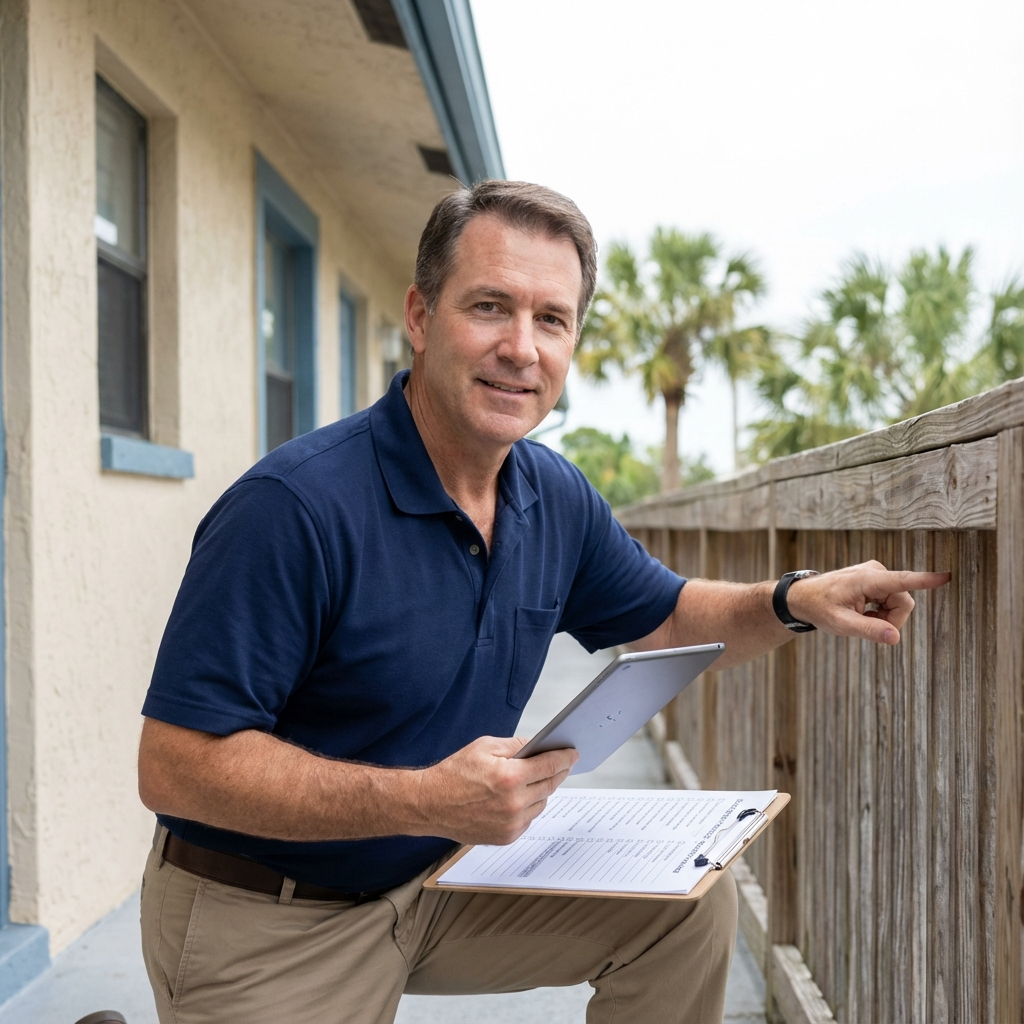
Why Fort Pierce landlords must get the law right
Owning multi-family housing is different than single-family rentals, legally and operationally. You manage common areas, shared systems, and a larger tenant base, and Fort Pierce enforces property maintenance and short-term rental registration aggressively. Fines, forced repairs, or legal disputes can eat into returns quickly. The truth is, proactive compliance prevents headaches and protects property value.
The state baseline: Florida landlord-tenant law (what applies everywhere)
Key landlord duties under Chapter 83
- Maintain the property in compliance with applicable building, housing, and health codes. Landlords must keep structural elements, plumbing, and major systems in reasonable working order. For the full statutory text see Florida Statutes, Chapter 83. Florida Statutes, Chapter 83.
- Provide clean and safe common areas in multi-family buildings, and handle extermination responsibilities when required.
- Follow strict rules around security deposits, notice timelines, and permitted entry. Florida law requires written notice about where deposits are held and sets timelines for return and itemized deductions.
Notice and eviction timelines
- Nonpayment notices and cure periods are set by statute. You must follow the exact notice forms, service methods, and timelines before filing for eviction. Improper procedure risks delay or dismissal.
Prohibited practices
- Self-help evictions are illegal. Do not change locks, cut utilities, or remove a tenant’s property without a court order. Florida law includes penalties for wrongful conduct.
Fort Pierce local rules that often matter for multi-family buildings
Short-term and vacation rental registration
Fort Pierce requires registration for short-term rentals and has set fees, registration portals, and enforcement processes. If you operate any unit as an STR, register it and comply with local rules to avoid fines. See City of Fort Pierce guidance on short-term rentals. Fort Pierce Short-Term and Vacation Rentals.
Code enforcement and minimum property standards
The City enforces the property maintenance code, nuisance rules, and life-safety standards. Repeated violations can lead to fines, special magistrate hearings, and mandated corrective work. If you own multi-family housing, maintain landscaping, parking, exterior lighting, and safe egress to avoid complaints. Fort Pierce Code Enforcement Division.
Certificates of Use and business registration updates
If you operate rentals as a business, the city now uses a Certificate of Use process and has specific application portals. Check the city site for current requirements and deadlines.
Practical compliance checklist for Fort Pierce multi-family landlords
- Review and follow Florida Statutes Chapter 83 for habitability, deposits, entry, and eviction procedure. Florida Statutes, Chapter 83.
- Register any short-term units with the City of Fort Pierce and pay applicable registration fees. Fort Pierce Short-Term and Vacation Rentals.
- Keep clear, dated records of maintenance requests, repairs, and tenant notices. Paper or digital records are vital in disputes.
- Maintain common areas and follow extermination protocols for multi-family properties.
- Use legally compliant notices for rent, cure, and termination. When in doubt, consult an attorney before filing for eviction.
Managing risks: operations, tenant screening, and insurance
Good operations reduce legal exposure. Use professional screening, have a documented maintenance schedule, and use well-drafted leases that match Florida law. Consider higher liability and property insurance limits for multi-family assets and insist on tenant liability coverage where appropriate.
If you need property management help in the Treasure Coast region, Beaches Welcome Service offers multi-family management and asset oversight tailored to South Florida markets. See our property management overview and multi-family Fort Pierce guide for local expertise: Property Management Services and Multi Family Property Management Fort Pierce Reviews.
Common landlord mistakes to avoid
- Treating short-term and long-term rentals the same, without checking local registration requirements.
- Failing to document condition and repair history after tenant move-in and during tenancy.
- Attempting self-help eviction or lock changes instead of using the courts.
- Ignoring code enforcement warnings until fines escalate.
Frequently Asked Questions
What local registrations are required for vacation rentals in Fort Pierce?
Fort Pierce requires registration of short-term and vacation rentals and collects registration fees. Use the city’s registration portal and follow renewal requirements to stay compliant.
How do security deposit rules differ for multi-family units in Florida?
Florida Statutes set the rules for notice, holding, and return of security deposits. Multi-family landlords must provide written notice about where deposits are held and follow statutory timelines for return and itemized deductions.
Can I enter a tenant’s unit for inspections without notice?
Florida law requires reasonable notice for non-emergency entry, typically at least 24 hours and during reasonable hours. Emergencies are an exception.
What should I do if code enforcement issues a notice for my building?
Respond promptly, schedule repairs quickly, and document work. If needed, request appeal or additional time through the city’s code enforcement process.
Are evictions different for multi-family properties?
The legal eviction process is governed by Florida law regardless of property type, but multi-family properties can have additional operational steps such as managing multiple tenants, common-area issues, and unit turnovers.
Where can I find help with Fort Pierce landlord regulations?
Start with Florida Statutes Chapter 83 for state law and the City of Fort Pierce website for local rules. If you prefer hands-on help, consider a local property manager experienced with Fort Pierce multi-family compliance: Beaches Welcome Service Asset Management.
Ready to protect your investment and stay compliant?
If you own multi-family property in Fort Pierce and want local help with tenant screening, maintenance, and regulatory compliance, we can help. Visit Beaches Welcome Service to schedule a consultation and get a tailored compliance plan. https://beacheswelcomeservice.com/
Conclusion
Here’s the thing, following the rules is not just about avoiding fines. It’s about protecting cash flow, preserving asset value, and reducing legal risk. For Fort Pierce multi-family landlords, the mix of Florida statute requirements and city-level enforcement makes a deliberate, documented approach essential. Use the checklist above, keep good records, and get local support when needed. That pragmatic approach will keep your properties safe, occupied, and profitable.

