

A Fort Pierce rental can look straightforward on a spreadsheet, then become demanding the moment a resident calls about an air-conditioning issue, a renewal decision approaches, or a summer storm puts the property at risk. The most expensive mistakes usually come from treating ownership as passive when it actually requires consistent operations.
When owners talk about problems with managing rental property Fort Pierce, they are usually describing the same underlying issue: too many decisions are being made without a repeatable system. Pricing, resident communication, maintenance, compliance, documentation, and financial reporting all need to work together.
Fort Pierce is not a generic rental market. The U.S. Census Bureau estimates the city had 51,737 residents in 2025, with 28.8% of people age five and older speaking a language other than English at home. Clear, professional communication and local market awareness are practical operating requirements, not nice extras. (census.gov)
The Core Challenges at a Glance
The hardest part of rental ownership is rarely one large crisis. It is the accumulation of smaller tasks that affect cash flow, resident retention, property condition, and owner confidence.
| Challenge | What It Can Cost | Better Operating Habit |
|---|---|---|
| Incorrect rent pricing | Extended vacancy or weak income | Review comparable rentals before listing and renewal |
| Weak applicant review | Late payments, damage, turnover | Use written, consistent qualification standards |
| Deferred maintenance | Larger repairs and unhappy residents | Schedule inspections and preventive service |
| Slow communication | Escalated complaints and poor renewals | Set response standards and document every issue |
| Compliance gaps | Fees, delays, legal exposure | Keep leases, notices, registrations, and records current |
Pricing a Rental Without Chasing the Wrong Number
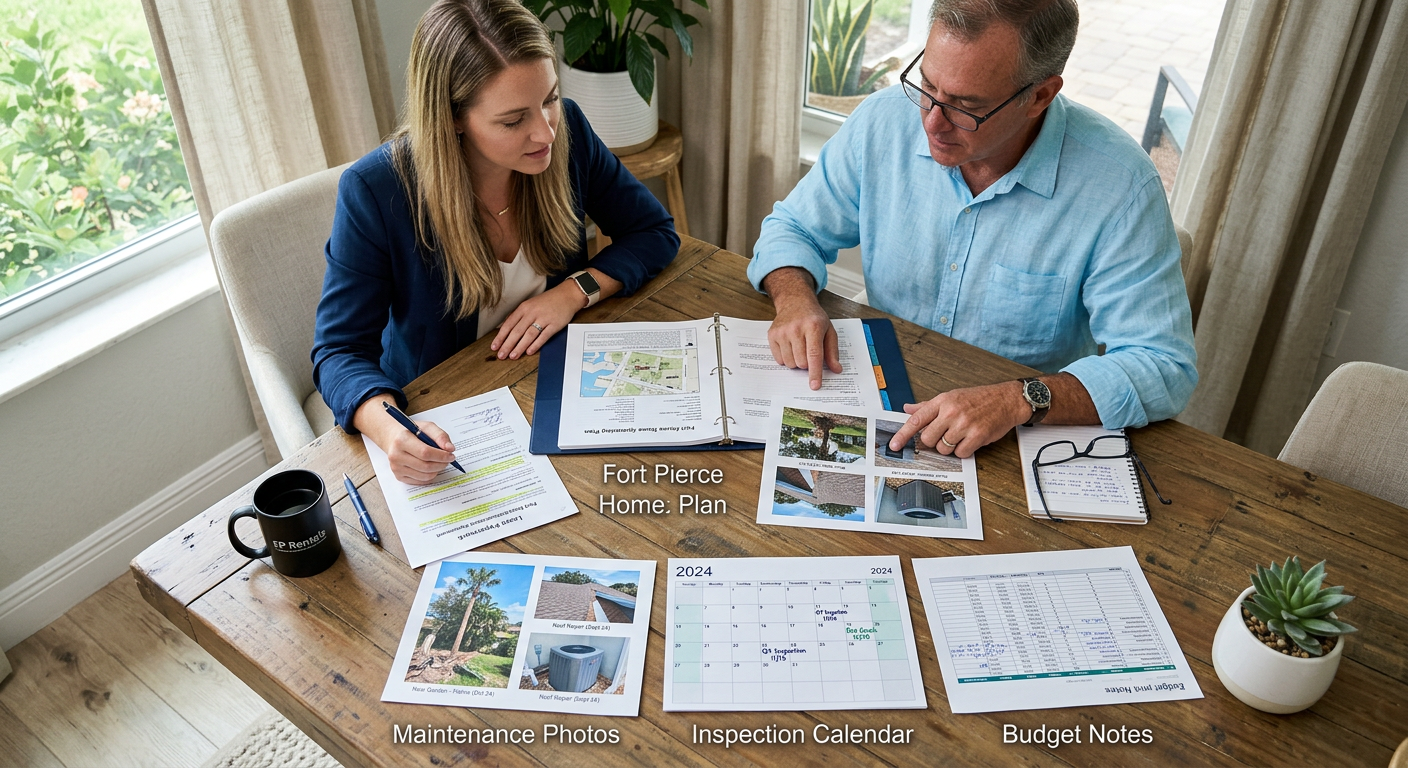
The right rent is the highest defensible amount that attracts qualified applicants within an acceptable leasing window. A number pulled from one online listing can create costly vacancy if it ignores condition, location, pet policy, utilities, amenities, and competing inventory.
Fort Pierce’s latest Census estimates place median gross rent at $1,217 for the 2020 through 2024 period. That is useful context, but it should never substitute for a property-specific analysis. A renovated single-family home, a modest duplex unit, and a seasonal waterfront property can sit in very different demand lanes. (census.gov)
We recommend reviewing recent comparable listings before advertising, then reassessing after the first week of activity. If qualified prospects are not booking tours, a pricing or presentation adjustment is often less expensive than another month of vacancy.
Tenant Placement Requires Process, Not Instinct
A polished application and a pleasant conversation do not tell the whole story. Good tenant placement comes from applying documented standards consistently, verifying information, and matching the lease terms to the actual property.
Owners should establish requirements before marketing begins, including income verification, rental history, identity checks, occupancy limits, pet standards, move-in funds, and a clear decision process. Our detailed guidance on building a consistent Fort Pierce tenant screening process can help owners reduce the temptation to make rushed, emotional decisions.
This is especially important for accidental landlords. A former primary residence can carry personal memories, but once it is rented, it needs businesslike records, neutral standards, and prompt follow-through.
Maintenance Is a Cash-Flow Issue, Not Just a Repair Issue
Delayed maintenance tends to multiply costs. A small roof concern, moisture issue, clogged drain, pest entry point, or air-conditioning problem can quickly become a resident-retention issue and a far more expensive repair.
South Florida ownership also requires planning for heat, humidity, heavy rain, wind exposure, landscaping, and hurricane-season readiness. We encourage owners to use a recurring calendar for HVAC servicing, plumbing checks, roof and gutter reviews, exterior inspections, smoke detector testing, and documented turnover inspections. Our Florida rental property maintenance checklist outlines practical tasks that are easy to overlook until they become urgent.
The goal is not to approve every repair blindly. It is to have clear approval limits, trusted vendors, photo documentation, and a record of what was done, when, and why.
The Day 9 Operating Rhythm Protects Owners From Small Problems
A reliable rental operation needs a recurring review cadence, not only a response when something goes wrong. We call this the Day 9 operating rhythm: every nine days, review open maintenance items, unpaid balances, upcoming lease dates, vendor invoices, inspection findings, and resident communication that still needs closure.
This short review does not replace daily responsiveness for emergencies. It prevents the quiet failures that can otherwise sit unnoticed, such as a repair request awaiting a vendor, a renewal conversation that starts too late, or a deposit issue without supporting photos.
For an investor with several homes, this can be a concise dashboard review. For a snowbird or out-of-state owner, it creates visibility without requiring constant involvement. Owners managing from a distance can also use our rental ownership from another state framework to define who handles local decisions when they are unavailable.
Compliance Problems Can Turn a Routine Issue Into a Major Delay
Florida landlord responsibilities involve more than having a signed lease. Notice timing, security deposits, records, property condition, fair housing practices, and the correct response to lease violations all matter.
In St. Lucie County, residential eviction matters commonly involve nonpayment or lease noncompliance, and the Clerk’s office makes clear that owners need supporting documentation, including proof of ownership and relevant lease materials. The Clerk cannot provide legal advice, so owners should consult qualified legal counsel when a dispute has legal consequences. (stlucieclerk.gov)
Short-term and vacation rentals create an additional compliance track. Within Fort Pierce city limits, rentals for less than six months must be registered, and the city lists an initial registration fee of $350 per unit and an annual renewal fee of $200 for eligible renewals. (fppd.org)
Long-term rentals and vacation rentals should not be managed with the same assumptions. Before advertising, confirm which rules apply to the property’s location, association, zoning, licensing, and intended lease length.
Communication Breakdowns Create Avoidable Turnover
Residents do not expect perfection. They do expect to know that their concern was received, who is handling it, and what happens next. Silence after a maintenance request or unclear instructions at move-in can damage a relationship that was otherwise healthy.
We recommend setting simple communication standards:
- Acknowledge routine requests promptly, even when a full answer will follow later.
- Use written records for repair approvals, lease changes, notices, and payment arrangements.
- Give residents practical updates when a vendor schedule changes.
- Explain renewal options early enough for both sides to plan.
- Keep communication professional, consistent, and respectful.
Strong communication also makes the property easier to sell later. Clean records help a prospective buyer understand income history, maintenance patterns, lease status, and the quality of the operating system behind the asset.
When Self-Management Stops Making Financial Sense
Self-management can work when an owner has time, local vendor relationships, reliable systems, and the willingness to respond quickly. It becomes harder when the property is far away, the portfolio grows, or rental decisions begin competing with a career, travel, or family responsibilities.
A professional manager is not automatically the best fit for every owner. The value depends on whether the management structure reduces vacancy, improves applicant quality, coordinates repairs effectively, creates useful financial visibility, and protects the underlying property. Ask prospective managers how they price rentals, screen applicants, authorize repairs, report financial activity, handle emergencies, and communicate during vacancies.
Questions Owners Often Ask
How much should we budget for rental maintenance in Fort Pierce?
We should budget based on the property’s age, condition, systems, and exposure, not a single universal percentage. Older homes, properties near salt air, and rentals with deferred repairs typically need more reserve funds than recently renovated homes with preventive maintenance records.
Can we manage a Fort Pierce rental while living out of state?
Yes, but only with reliable local coverage and a clear decision structure. We need local vendor access, documented approval limits, routine inspections, and regular financial reporting so distance does not create blind spots.
Is a property manager responsible for legal advice during an eviction?
No. A manager can coordinate records and follow an agreed process, but legal advice should come from a qualified attorney. The St. Lucie County Clerk also states that its office cannot provide legal advice in eviction matters. (stlucieclerk.gov)
Should we use the same lease for a long-term tenant and a seasonal renter?
Usually not. Lease terms should match the intended occupancy, applicable local requirements, association rules, and the property’s operating plan. Vacation and short-term arrangements often carry different registration and compliance obligations in Fort Pierce. (fppd.org)
What is the biggest mistake accidental landlords make?
The biggest mistake is treating the rental like a casual favor or side project. We need written standards, documented property condition, proper insurance review, financial reserves, and an operating plan from the first day.
How early should we begin a lease renewal conversation?
We should begin early enough to evaluate market rent, the resident’s performance, needed repairs, and the owner’s plans before the lease end creates pressure. An early conversation gives us more options than a last-minute vacancy decision.
Put a Local Operating Team Behind Your Property
If ownership is taking more time and attention than it should, Beaches Welcome Service can help us build a clearer plan for leasing, long-term rental management, vacation rental oversight, maintenance coordination, portfolio visibility, and future sale decisions. Visit Beaches Welcome Service to discuss a management approach built around the property, the market, and the owner’s goals.
A Better System Makes the Investment More Durable
The central problem with managing a Fort Pierce rental is not that one repair, resident question, or renewal decision exists. It is trying to handle every one of those moments without a system that connects pricing, leasing, maintenance, compliance, communication, and reporting.
When we use documented standards and a reliable operating rhythm, the property becomes easier to run, easier to evaluate, and more resilient through market changes. That is the real answer to problems with managing rental property Fort Pierce: replace reaction with disciplined oversight before small gaps become expensive setbacks.

