

Managing a real estate portfolio well means balancing numbers, people, and market timing. A top portfolio manager brings financial discipline, local market knowledge, and reliable vendor and tenant relationships so your assets grow while risk stays controlled. In this guide you will learn the practical skills, processes, and local considerations that define what makes a good real estate portfolio manager, and how those traits translate into better returns for investors across South Florida.
Why the right portfolio manager matters
Here’s the thing, owning multiple properties or a multi-family building is not a passive gamble. Good management turns unpredictable cash flows into predictable income, reduces vacancy cycles, and protects asset value. For investors, accidental landlords, snowbirds, and private equity in South Florida cities like West Palm Beach, Delray Beach, and Fort Lauderdale, the portfolio manager is the difference between a stressed ownership experience and steady growth.
Key outcomes a strong manager delivers:
- Consistent occupancy and revenue optimization.
- Reduced operating costs and timely capital improvements.
- Clear investor reporting and aligned long-term strategy.
Core traits of an excellent portfolio manager
Financial acumen and reporting
A portfolio manager must think like an investor. That means tight budgeting, accurate expense tracking, and scenario planning for rent adjustments, CapEx, and tax impacts. Look for someone who provides concise monthly performance reports, variance analysis, and forecasts, not just rent rolls.
Local market expertise
Neighborhood-level knowledge is nonnegotiable in South Florida. A good manager knows seasonal demand patterns, neighborhood rent comps, short-term rental dynamics, and local regulations across Palm Beach, Broward, and St. Lucie counties. That insight drives pricing, marketing, and renovation decisions.
Operational systems and vendor networks
Processes win over ad hoc fixes. Expect documented make-ready workflows, preventive maintenance schedules, vendor agreements with negotiated rates, and a fast-response repair team. Strong vendor relationships reduce turnaround time and control costs.
Tenant screening and retention
Screening is about more than credit scores. Effective tenant selection balances verification, references, and human judgment to lower eviction risk and protect property condition. Combine that with retention strategies, like timely communication and responsive maintenance, to lengthen tenant stays and lower vacancy costs.
Communication and transparency
Investors want clarity, not surprises. The best managers send regular performance summaries, explain significant decisions, and surface risks early. Transparent fee structures and documented approvals for major expenses build trust.
Risk management and compliance
From local landlord-tenant rules to insurance and safety codes, compliance matters. A good manager maintains up-to-date knowledge of regulations, enforces lease terms consistently, and keeps clear documentation to reduce legal exposure.
Strategic mindset and value-add focus
Beyond day-to-day operations, top managers identify opportunities to increase net operating income. That can mean unit upgrades for higher rent, utility controls, package deals with local service providers, or repositioning units to meet market demand.
Practical skills and tools to expect
KPIs and dashboards
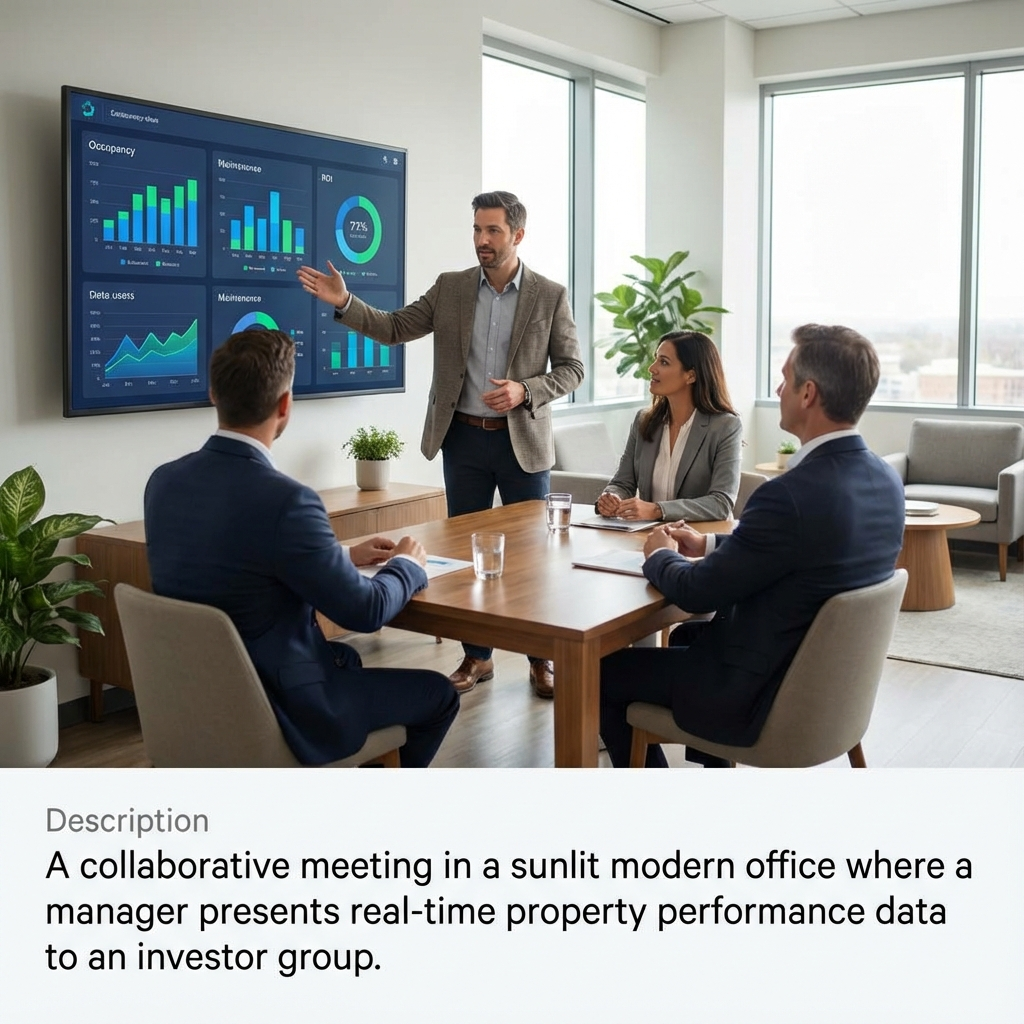
Look for managers who track occupancy, average days to lease, tenant turnover costs, maintenance spend per unit, and net operating income. Dashboards should be easy to read and available on request.
Technology and automation
Digital lease management, online payments, automated maintenance tickets, and marketing platforms shorten vacancy times and reduce manual errors. The right mix of tech improves tenant experience while keeping owners informed.
CapEx planning and lifecycle budgeting
Great managers plan for roofs, HVAC, plumbing, and cosmetic upgrades with a multi-year CapEx budget. That planning prevents surprise capital calls and helps time improvements for maximum value uplift.
Local considerations for South Florida investors
Seasonality and guest demand affect pricing and occupancy, especially for properties that serve short-term or vacation markets. Weather-related maintenance and hurricane readiness are also huge. Choose a manager who knows vendor availability after storms, insurance claim processes, and local emergency protocols for Fort Pierce, Lake Worth, and Riviera Beach.
How to evaluate a portfolio manager: interview checklist
- Ask for sample monthly reports and KPIs.
- Request references from investors with similar property types.
- Review their vendor agreements and maintenance response times.
- Confirm their local market experience and licensing status.
- Ask how they handle emergency repairs and major CapEx approvals.
Red flags to watch for
- Vague reporting or unwillingness to share financials.
- No documented tenant screening process.
- Limited or no local references in your target submarket.
- Reactive maintenance with long vendor lead times.
Frequently Asked Questions
What level of reporting should I expect from a portfolio manager?
You should get monthly financial statements, occupancy reports, and an annual operating plan. Reports should highlight variances, maintenance spend, and suggested actions.
How can a manager improve net operating income without heavy renovations?
Small improvements like energy-efficient fixtures, better tenant retention programs, and improved turnover processes often provide quick gains without major capital.
Should I prefer a local manager over a national firm?
Local managers bring neighborhood knowledge and vendor networks, which matters in South Florida markets that vary block by block. National firms can provide scale, but may lack local nuance.
How do managers handle hurricane preparedness and insurance issues?
Top managers maintain emergency plans, vendor lists for storm response, and documented processes for claims and temporary repairs to minimize downtime and protect owners.
What fees are standard and what should I watch out for?
Standard fees include a management percentage and leasing fees. Watch for hidden markups on repairs, unnecessary capital projects, or vague reserve policies.
How often should strategy reviews happen for a real estate portfolio?
Quarterly operational reviews and annual strategic reviews are common. More frequent check-ins are useful during market shifts or active value-add programs.
Can a portfolio manager also act as a broker for acquisitions and dispositions?
Yes, many managers offer acquisition and sales support, but disclose any conflicts of interest and provide transparent terms when representing investors.
Next steps for investors in South Florida
If you own one property or a multi-family portfolio across West Palm Beach, Delray Beach, Fort Lauderdale, or Port Saint Lucie, start by requesting a performance review. Ask for a sample management agreement, recent investor reports, and a clear plan for your property's first 90 days under management.
Ready to get started
Talk with a local team that understands both day-to-day property needs and long-term asset growth. For a personalized portfolio assessment and to learn how professional management can improve your returns, visit Beaches Welcome Service and request a consultation.
Visit Beaches Welcome Service for portfolio management, property management, and asset oversight: https://beacheswelcomeservice.com/
You can also review specific services such as property management here: https://beacheswelcomeservice.com/property-management/ and asset management here: https://beacheswelcomeservice.com/asset-management/ or learn about buying and selling with local expertise: https://beacheswelcomeservice.com/real-estate/
Conclusion
What makes a good real estate portfolio manager comes down to measurable financial discipline, proven local knowledge, reliable operations, and clear communication. Pair those capabilities with a strategic mindset and you get far better cash flow, lower risk, and higher long-term value. If you want predictable performance from your South Florida properties, start by vetting managers against the traits and checklist in this guide.

