

Inheriting a home can feel overwhelming, especially if it’s outside your town or tangled in probate. You may be staring at a vacant house in Riviera Beach and asking, what now? This guide walks you through practical, legally sound choices so you can protect value, limit liability, and pick the option that fits your goals.
When you own property after a loved one passes, start with three immediate steps: secure the property, confirm the legal title and probate status, and get a clear picture of costs. Once you know whether the estate is through probate, you can evaluate options like selling, renting, or keeping the house as part of an investment plan. In the paragraphs below you’ll find a local-first approach that matches Riviera Beach and wider South Florida market realities.
Quick first actions, so nothing gets worse
- Secure the property, change locks if needed, and keep utilities on if the home is occupied or at risk of damage.
- Confirm whether the estate needs probate and who the personal representative or executor is. If you are unsure, consult a probate attorney right away. The Florida Bar has consumer guides on probate that are helpful. Florida Bar, probate basics.
- Order a clear title search and get insurance in the estate or executor’s name to avoid coverage gaps.

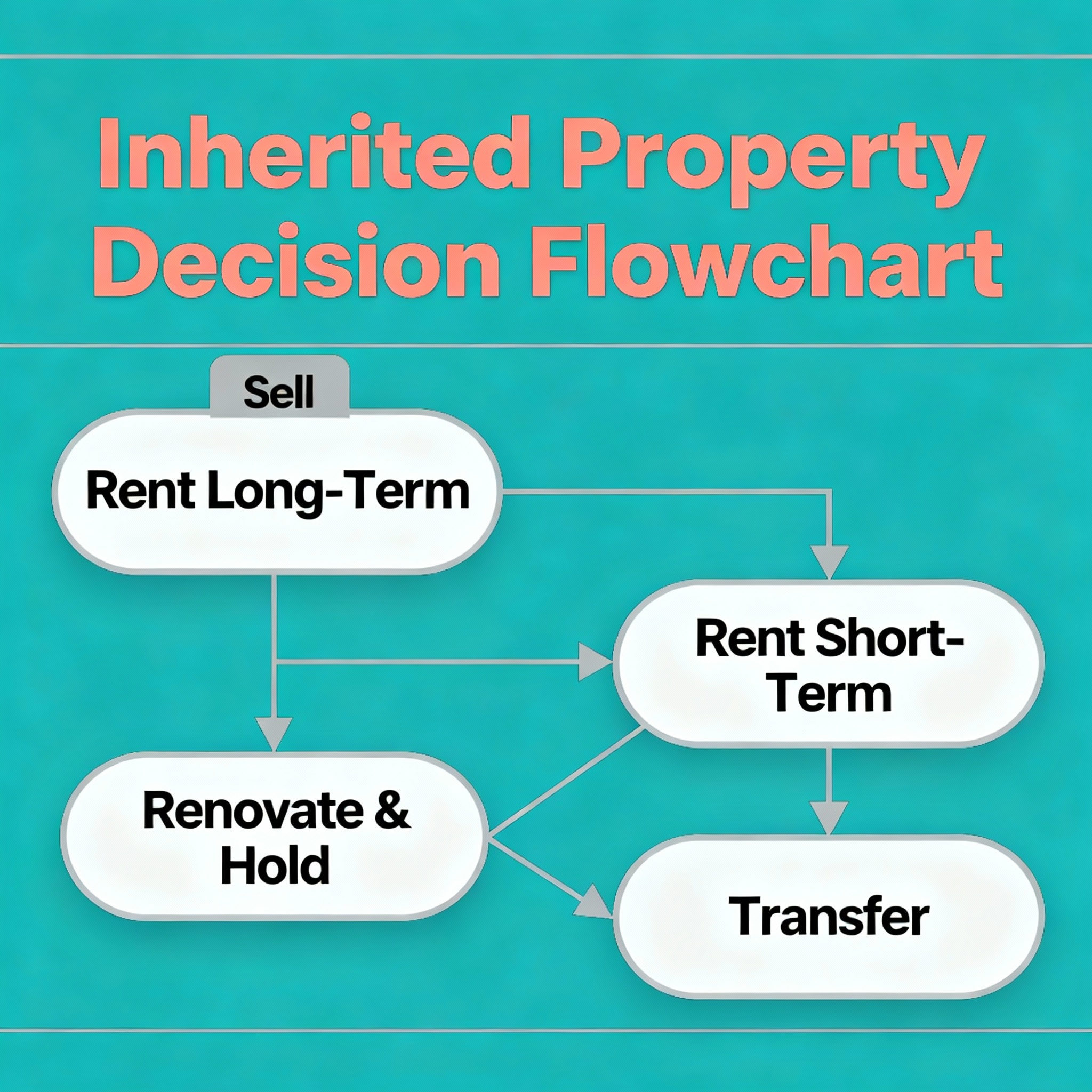
7 smart paths for an inherited property in Riviera Beach
1) Sell the house as-is, fast
If you want cash and a quick, low-effort exit, a direct sale or working with a trusted local agent is the fastest route. Selling as-is is common when heirs don’t live locally or the property needs time-consuming repairs. Consider a quick cash buyer only after you get at least one professional market valuation, and compare offers to a traditional listing.
- Pros: fast liquidity, fewer headaches.
- Cons: possibly lower net proceeds if you accept the quickest offer.
See how Beaches Welcome Service handles sales and local marketing strategies on the Buy / Sell Your Home page: https://beacheswelcomeservice.com/real-estate/.
2) Rent it long-term for steady income
If you want passive income and to hold the asset, long-term rental can make sense in Riviera Beach, where demand from local workers and year-round tenants is strong. Work with a property manager to handle tenant screening, repairs, and compliance with Florida landlord-tenant rules.
- Pros: ongoing cash flow, property appreciation potential.
- Cons: management time or fees, landlord responsibilities.
Learn about professional options at the Property Management page: https://beacheswelcomeservice.com/property-management/.
3) Convert to a vacation or short-term rental
Short-term rentals can earn higher nightly revenue, especially near beaches and tourist areas, but they need more hands-on operations and compliance with local rules. Verify Riviera Beach and county regulations before listing.
- Pros: higher potential income during high season.
- Cons: higher operating costs, frequent turnover, and possible local restrictions.
4) Renovate and hold for higher future value
If the property sits in an appreciating neighborhood, modest targeted renovations can boost rent or sale price dramatically. Prioritize systems repairs, curb appeal, and kitchen/bath updates with strong ROI.
- Pros: increases long-term value.
- Cons: upfront capital, project risk.
5) Use a 1031-style strategy, or sell with tax planning for investors
Investors often roll gains into other properties or structure exits to manage taxes. For heirs, remember that inherited property typically receives a stepped-up basis at the decedent’s date of death, which can reduce capital gains when you sell. Consult a CPA or tax attorney to confirm how federal and state rules apply to your situation. The IRS has resources on basis and estate tax topics: https://www.irs.gov/
- Pros: tax-efficient strategies can preserve more proceeds.
- Cons: complexity, requires professional guidance.
6) Partition, co-own, or buy-out co-heirs
If multiple heirs inherit the property, decide quickly whether to co-own, arrange a buy-out, or partition the property. Clear written agreements prevent disputes and help with exit planning.
- Pros: fair distribution if handled well.
- Cons: potential family conflict without clear process.
7) Donate, gift, or transfer to a trust
Donating to a charity or transferring the property into a trust can achieve estate planning goals, reduce probate friction, or meet philanthropic aims. Talk to an estate attorney to weigh tax and legal consequences.
- Pros: meets charitable goals, can simplify estate plans.
- Cons: permanent transfer, possible tax implications.
Probate, title, taxes, and a few local considerations
- Florida has a specific probate procedure, which varies by county, and times can range from a few months to longer depending on complexity. Use a local probate lawyer with Florida experience.
- Inherited property normally gets a stepped-up tax basis equal to fair market value at the date of death, but you must document basis and improvements carefully for future sales.
- Check for homestead status, unpaid taxes, HOA dues, or code violations before listing or renting. These liens or restrictions can affect what you can do.
If you need detailed tax guidance, talk to a CPA familiar with South Florida real estate. For legal steps, consult a probate attorney or local resources such as the Florida Bar consumer pamphlets.
How to choose the best route, step-by-step
- Confirm legal ownership and probate status.
- Get a professional market valuation and a cost estimate for needed repairs.
- Run a simple cash flow analysis for renting vs selling.
- Consult a CPA about stepped-up basis and projected taxes on a sale.
- Talk to a local property manager or real estate broker about the Riviera Beach market and likely net proceeds.
If you prefer a partner who handles these steps, Beaches Welcome Service offers combined property management, asset oversight, and sales support tailored to South Florida investors and heirs at https://beacheswelcomeservice.com/.
Frequently asked questions
What happens if the property is still in probate?
Probate must be completed before the estate can transfer clear title in many cases. The personal representative or executor should consult a probate attorney, secure the asset, and notify creditors as required by Florida law.
Do I have to pay capital gains if I sell an inherited home in Florida?
Because inherited property usually receives a stepped-up basis, capital gains may be lower. Still, gains depend on the sale price versus the stepped-up basis and improvements, so consult a tax professional.
Can I rent the house while probate is ongoing?
Sometimes, yes, but you need the executor's authority and to follow probate rules. Get legal advice before taking rental income on estate property.
How quickly should I decide what to do?
Act within weeks to secure, insure, and evaluate the home. You do not need to decide instantly, but delaying basic protections invites vandalism, pests, or liability.
What are common hidden costs heirs forget?
Property taxes, insurance, utility bills, HOA fees, required repairs, and maintenance reserves. Add a contingency of at least 5 to 10 percent when forecasting costs.
Should heirs sell to a cash buyer to avoid hassles?
Cash offers are fast, but they can be significantly below market. Always get a market valuation and at least one market-ready listing price to compare.
Ready to discuss your inherited property in Riviera Beach?
If you want a local-first strategy that preserves value and fits your goals, talk with a South Florida team that handles sales, long-term rentals, vacation management, and asset oversight. Start with a short consultation at Beaches Welcome Service and get a practical Day 1 plan. https://beacheswelcomeservice.com/
Conclusion
Here’s the thing, an inherited property is both an emotional and financial asset. Protect it quickly, confirm the legal picture, and then choose the path that matches your timeline and tolerance for involvement. Whether you sell fast, rent for steady income, or hold as part of an investment strategy, use trusted local experts for probate, taxes, and market execution so you keep more of what the property is worth.

