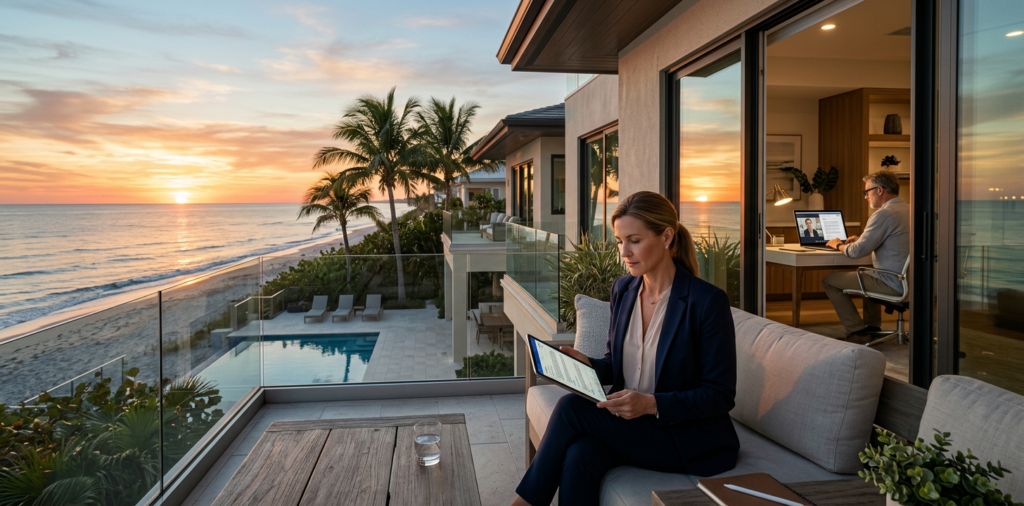
Managing a rental from another city or even another state can feel like trying to run a business with one hand tied behind your back. The good news is that how to manage rental property from afar becomes much easier when you build the right systems, choose the right support, and stop relying on guesswork.
If you own property in South Florida, West Palm Beach, Boynton Beach, Delray Beach, Fort Lauderdale, Port Saint Lucie, Fort Pierce, Lake Worth, or Riviera Beach, distance does not have to mean chaos. It just means you need a clearer process, more accountability, and fewer assumptions.
Start With Systems, Not Stress
The biggest mistake remote owners make is trying to react to every issue as it comes up. Instead, set up a repeatable system for leasing, maintenance, accounting, and communication. That way, the property keeps moving even when you are not physically there.
A strong system should answer four questions:
- Who handles tenant communication?
- How are repairs requested and approved?
- Where do financial records live?
- How often do you get updates?
When those answers are clear, you are not managing by phone calls and panic. You are managing by process.
Build a Reliable Local Support Team
Distance management works best when you have trustworthy people on the ground. That usually includes a property manager, licensed vendors, an inspector, and sometimes a real estate professional who understands your market.
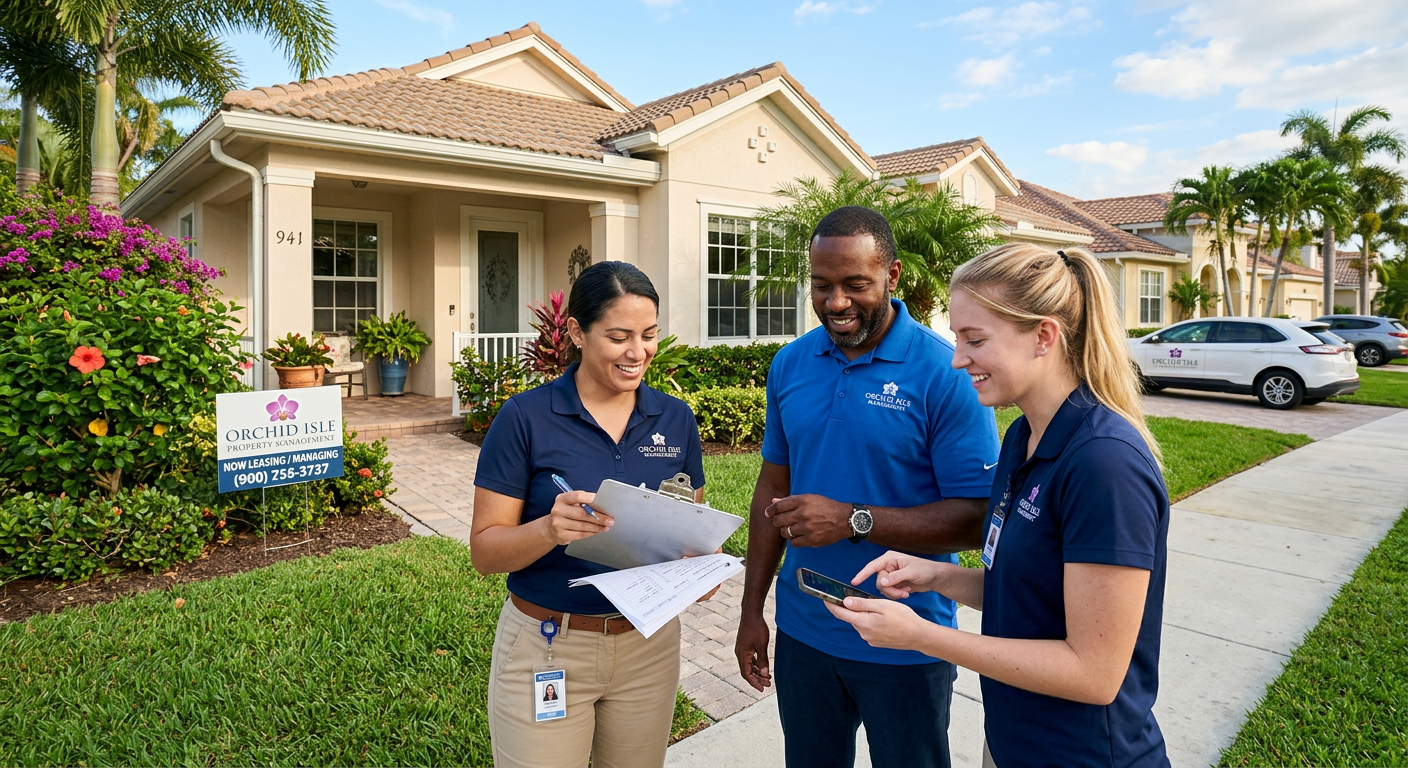
For investors and accidental landlords, this is especially important because problems often show up in small ways first, like a slow leak, a missed rent payment, or a tenant complaint that never reached you in time. A local team can catch issues early and keep your asset protected.
Use Technology to Stay in Control
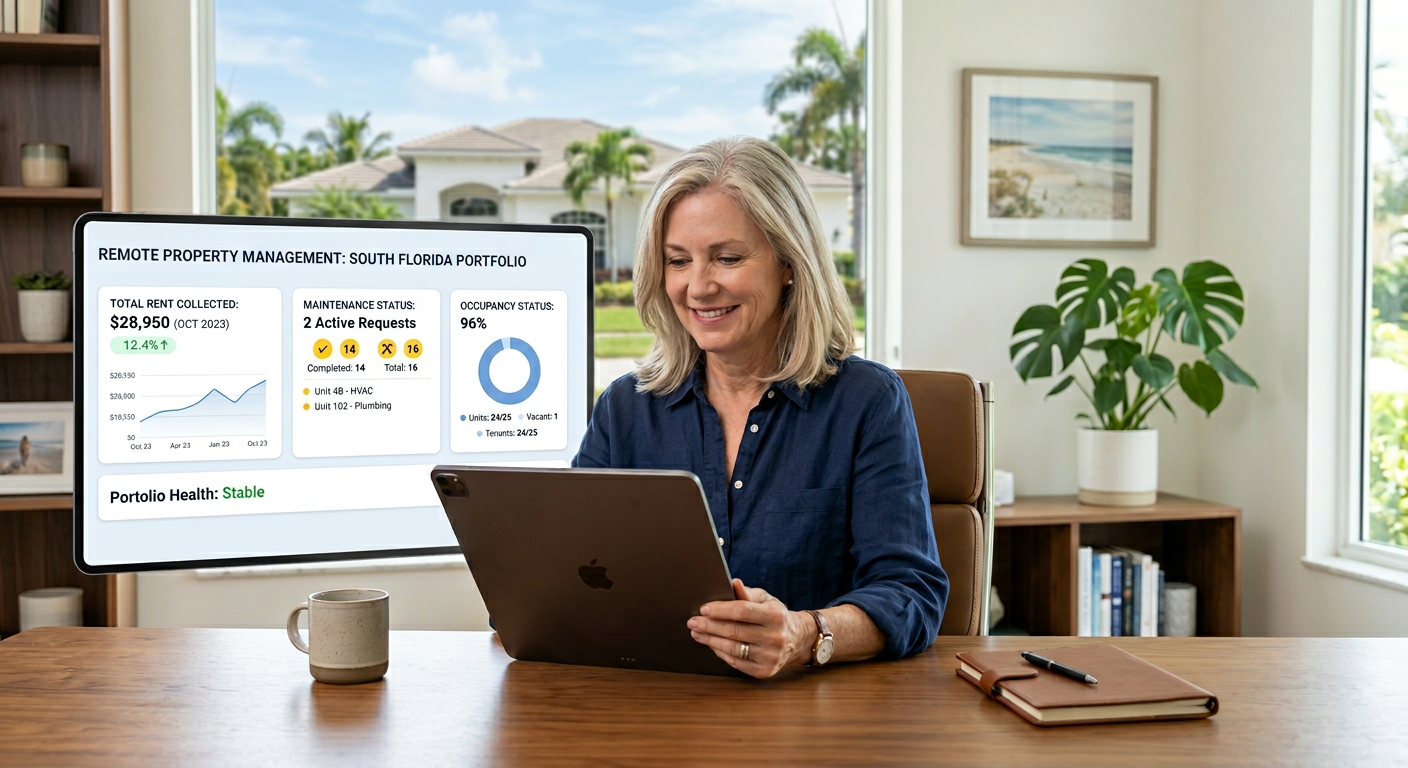
Good property technology does not replace people, but it gives you visibility. Use a central platform for lease documents, rent collection, maintenance tickets, and monthly reporting. That makes it easier to track what is happening without chasing down paperwork.
Useful tools often include:
- Online rent payment systems
- Digital lease storage
- Maintenance request platforms
- Accounting dashboards
- Video walkthroughs and inspection reports
If you are trying to understand how to manage rental property from afar, technology is the bridge between being out of town and staying informed. The key is consistency. One system used well beats five tools used badly.
Create Clear Expectations Before Problems Start
A remote owner should never assume a tenant, vendor, or helper knows what you want unless it is written down. Clear expectations reduce conflict and speed up decisions.
Before handing off management, define:
- Emergency repair thresholds
- Approval limits for maintenance spending
- Lease renewal timelines
- Inspection frequency
- Communication response times
This is where accidental landlords often save themselves a lot of trouble. A simple, documented workflow prevents confusion and helps everyone act faster when something breaks.
Protect the Asset With Routine Inspections
If you cannot visit regularly, inspections matter even more. They are one of the best ways to spot deferred maintenance, lease violations, and signs of wear before they become expensive repairs.
For long-term rentals, periodic interior and exterior inspections help you monitor:
- HVAC performance
- Roof and drainage issues
- Plumbing leaks
- Unauthorized occupants
- Cleanliness and lease compliance
For owners managing vacation rental properties, inspection frequency may need to be higher because turnover is faster and wear-and-tear can happen more quickly.
Keep Financial Oversight Tight
Remote ownership can become risky if you are not reviewing financial performance every month. You do not need to inspect every receipt personally, but you do need a clear monthly report showing income, expenses, reserves, and upcoming capital needs.
Track:
- Collected rent
- Late payments
- Repair costs
- Vacancy days
- Management fees
- Reserve balances
That makes it easier to evaluate whether the property is actually performing or just staying occupied. Investors and private equity owners often want portfolio-level reporting, but even one property deserves clean numbers.
Know When to Delegate More
Some owners want full control. The problem is that full control from afar can quickly turn into full frustration. If the property is producing revenue, protecting your time matters too.
A professional management partner can handle the day-to-day work while you focus on bigger decisions like refinancing, selling, acquiring more properties, or improving the portfolio. For people with homes in South Florida and surrounding coastal markets, that can be the difference between a stressed asset and a stable one.
FAQ
How often should I check on a rental property I own remotely?
Monthly reporting is the minimum, and inspections should happen on a regular schedule based on the property type and tenant situation. If the home is a short-term or vacation rental, you may need more frequent oversight.
What is the biggest risk of managing a property from afar?
The biggest risk is delayed response. Small issues can become expensive if no one notices them quickly.
Can technology fully replace a property manager?
Not really. Technology helps with visibility and efficiency, but you still need local judgment, vendor coordination, and tenant support.
What should remote owners prioritize first?
Start with rent collection, maintenance response, and regular reporting. Those three areas protect cash flow and reduce surprises.
Is remote management worth it for one property?
Yes, if the home is well located and the numbers make sense. The key is to avoid becoming your own full-time operations team.
How do I know if my rental is being cared for properly?
Look for timely reports, documented inspections, prompt repairs, and stable tenant communication. If those are missing, it is time to tighten oversight.
Take the Guesswork Out of Remote Ownership
If you want to manage a rental from another location without constant stress, the answer is not more panic. It is better structure, better communication, and better local support. When those pieces work together, remote ownership becomes much more manageable.
Whether you own one property or a growing portfolio, the right management approach can help you protect the asset, improve tenant experience, and reduce surprises.
Ready for a Smarter Management Plan?
If you want help with long-term rental management, vacation rental oversight, or portfolio support in South Florida, Beaches Welcome Service can help you build a plan that fits your goals. Visit Beaches Welcome Service to explore property management, real estate support, and investor services designed for owners who need reliable local expertise.
Conclusion
Managing a rental property from afar does not have to feel overwhelming. With clear systems, trusted local support, and consistent reporting, you can stay in control without being on-site every day. The right setup turns distance into a manageable part of the job instead of the biggest problem.