

Selling a property is rarely simple, but when tenants are involved, it gets even more nuanced. You are not just listing a home, you are balancing lease rights, showing access, timing, and buyer expectations all at once.
That is why selling rental property with tenants requires a different strategy than a traditional home sale. When you handle it well, you can protect cash flow, reduce stress, and still attract serious buyers who see long-term value.
What Makes Tenant Occupied Sales Different
If your property is occupied, the sale has to work for three parties at the same time: you, your tenant, and the buyer. Each one has different priorities, and the process can fall apart fast if communication is weak.
For owners in South Florida, including West Palm Beach, Boynton Beach, Delray Beach, Fort Lauderdale, Port Saint Lucie, Fort Pierce, Lake Worth, and Riviera Beach, tenant occupied properties can be especially attractive to investors. Many buyers are looking for steady income, not an empty home they need to lease later.
Why some buyers prefer tenants in place
A tenant occupied property can offer immediate rental income, a built-in lease history, and a smoother transition for an investor buyer. That can make your listing more appealing if the lease terms are clean and the tenant has been reliable.
Why some buyers hesitate
Owner occupants often want flexibility, faster closing timelines, and easier access for inspections. If your tenant is difficult or the lease is complicated, the pool of buyers may shrink.
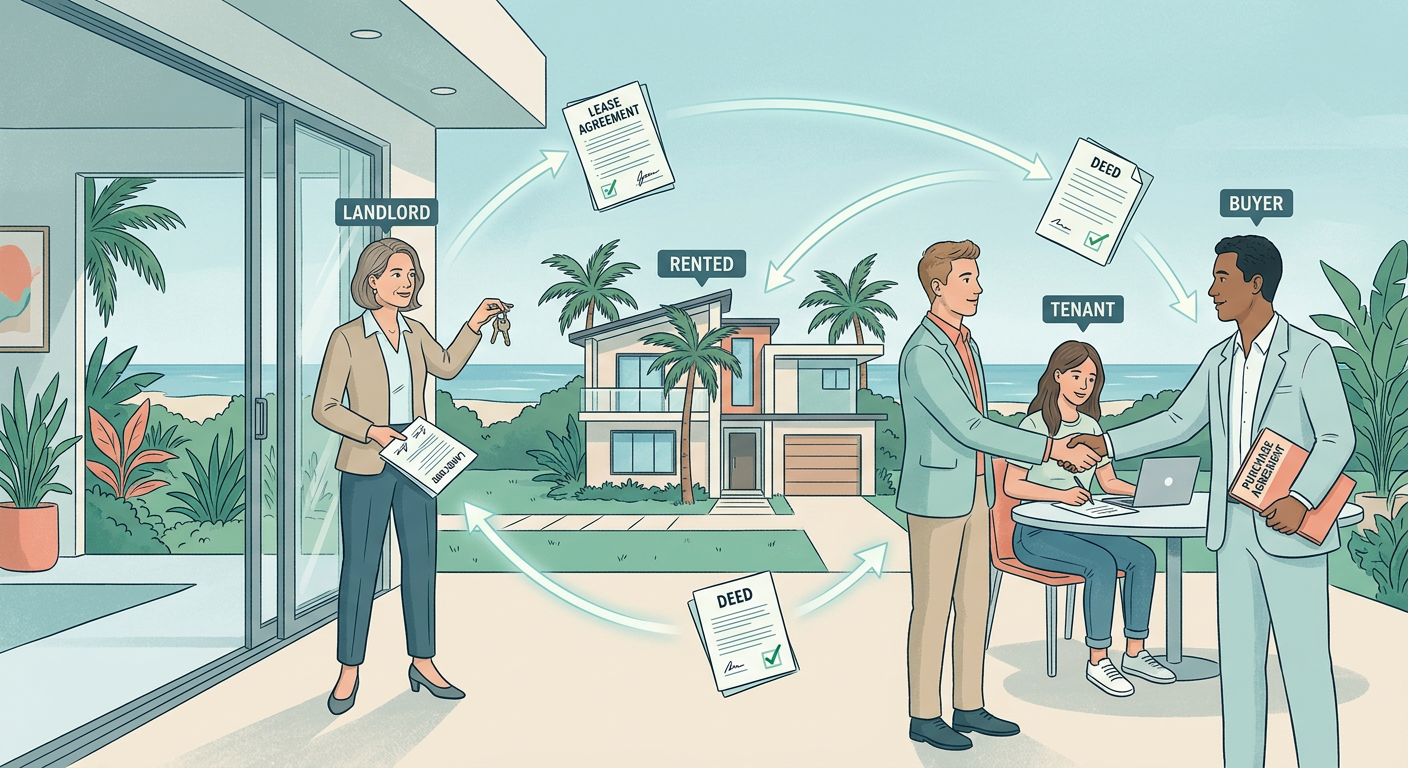
Start With the Lease Before You List
Before you put the home on the market, review the lease from top to bottom. You need to know the expiration date, renewal terms, notice requirements, pet clauses, access rights, and any early termination language.
This step matters because the lease controls what you can and cannot do during the sale. If the lease ends in 30 days, your strategy looks very different than if the tenant still has 10 months left.
Key questions to answer early
- When does the lease expire?
- Can the property be shown with notice?
- Is the tenant month to month or under a fixed term?
- Are there any rent concessions or special agreements?
- Has the tenant paid on time consistently?
The cleaner the lease file, the easier it is to market the property with confidence.
Choose the Right Sales Strategy
Not every tenant occupied sale should be handled the same way. In some cases, it makes sense to wait until the lease ends. In others, selling with the tenant in place is the better financial move.
Sell to another investor
This is often the best route if the tenant pays reliably and the property performs well. Investor buyers care about income, location, maintenance history, and cap rate more than whether the home is vacant.
Sell to an owner occupant after vacancy
If your target market is mostly end users, you may get better pricing and more showings once the property is vacant. This approach can work well when the lease is near expiration and the tenant is likely to leave on schedule.
Negotiate a lease buyout
Sometimes the fastest path is to offer the tenant financial help to move out early. That can free up the property for staging, photos, and broader buyer appeal, but the numbers need to make sense.
Communicate Early and Respectfully
A smooth sale starts with a respectful conversation. Tenants do not like surprises, especially if they worry their privacy, schedule, or housing stability is at risk.
Be clear, professional, and factual. Explain the plan, the timeline, and how showings will be handled. The better the communication, the less likely you are to face resistance later.
What to explain to the tenant
- The property is being marketed for sale
- Their lease remains in effect
- Notice will be given before showings
- You will respect their home and schedule
- Who they should contact with questions
Tenants who feel informed are usually far easier to work with than tenants who feel cornered.
Protect the Property Presentation
A tenant occupied home can still show beautifully, but you need cooperation. Dirty common areas, clutter, and poor lighting can hurt your first impression quickly.
Work with your tenant to set showings during reasonable windows, and encourage simple habits like fresh bedding, cleaner surfaces, and open blinds. You do not need a staged showpiece, but you do need a property that feels cared for.
Practical showing tips
- Give proper notice every time
- Group showings when possible
- Offer flexible appointment windows
- Keep instructions simple for the tenant
- Follow up quickly after each showing
Know the Legal and Disclosure Basics
Selling rental property with tenants also means keeping your paperwork straight. Rules can vary by lease type, local ordinances, and whether the property is in Florida or another state.
That is why it helps to work with a real estate professional who understands landlord-tenant issues and investor sales. If you are unsure about notice rules or disclosure obligations, get guidance before you list. For broader landlord and tenant basics, the U.S. Department of Housing and Urban Development and the Florida Bar are useful starting points.
Price the Property for the Right Buyer
Your pricing strategy should match the likely buyer. If the property is occupied and the tenant is strong, investors may accept a different valuation model than an owner occupant would.
Focus on the income, condition, location, and lease terms. A great tenant can add value, especially in markets where rental demand stays strong. A weak lease structure can do the opposite.
What investor buyers usually want
- Stable rent roll
- Low maintenance issues
- Clear lease documentation
- Honest rent and expense history
- Minimal vacancy risk
Handle the Transition Cleanly
Once you accept an offer, the handoff should be organized. Make sure the buyer gets lease documents, rent records, security deposit details, and any service agreements tied to the property.
If the tenant is staying after closing, the buyer needs a clean path forward. If the tenant is leaving, confirm move-out dates, inspections, and deposit procedures in writing.
FAQ
Can you sell a rental property with a tenant still living there?
Yes, you can. In many cases, it is completely normal to sell an occupied rental property, especially to an investor buyer.
Will a tenant have to leave when the property is sold?
Not always. If the lease is still active, the buyer may need to honor it unless the lease says otherwise or both sides agree to a different arrangement.
Is it easier to sell vacant or occupied?
That depends on the buyer. Vacant homes often appeal more to owner occupants, while occupied homes can appeal more to investors.
Can a tenant refuse showings?
Tenants usually have to allow reasonable access if proper notice is given and the lease allows it. Still, respectful communication goes a long way toward avoiding conflict.
Should I offer my tenant money to move out early?
Sometimes, yes. A lease buyout can make sense if the expected gain from a quicker or broader sale outweighs the payout.
What documents should I prepare before listing?
Have the lease, rent ledger, deposit records, repair history, and any notices or addenda ready before you go to market.
Ready to Sell With Less Stress?
If you are thinking about selling a tenant occupied property in South Florida, the right plan can protect your timeline and your bottom line. From pricing and lease review to tenant communication and closing prep, a coordinated approach makes all the difference.
If you want help selling rental property with tenants, or you need guidance on whether to sell now or wait until the lease ends, visit Beaches Welcome Service to explore property management and real estate support built for investors, homeowners, and landlords.
Final Takeaway
Selling a rental with tenants is not impossible, it just takes more planning. When you respect the lease, communicate clearly, and market to the right buyer, you can turn a complicated situation into a smooth, profitable sale.

