

Becoming a landlord unexpectedly happens to many homeowners in South Florida, whether you inherited a property, relocated for work, or decided to keep a home while you travel. This article walks you through what to do next, what to avoid, and how to turn that surprise responsibility into a reliable income stream.
This accidental landlord guide delray beach focuses on local realities, legal basics, tenant screening, maintenance planning, and when to call a professional so you protect your asset and your sanity.
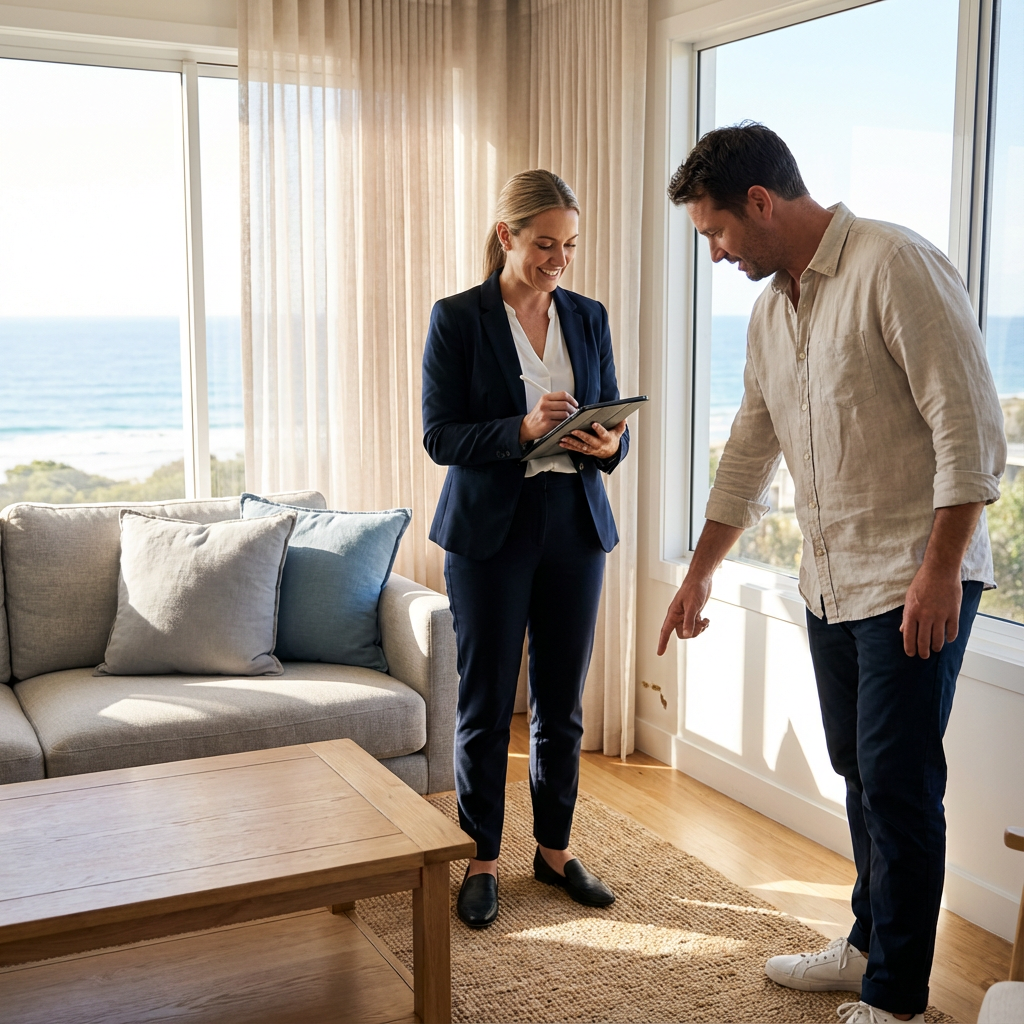
Why this guide matters in Delray Beach
Delray Beach has a seasonal market, strong demand from snowbirds, and investor interest that can make renting attractive, but local ordinances, HOA rules, and short-term rental restrictions mean you need to act carefully. The first 30 days set the tone: get legal, get insured, and set clear expectations so you avoid costly mistakes.
First steps after you decide to rent
Confirm ownership and documents
- Gather the deed, mortgage statements, HOA covenants, and property insurance policy. Know any HOA rules that restrict rentals, minimum lease length, or required renter approvals.
Check local rules and permits
- Confirm whether short-term rentals are permitted in your zone. If you plan monthly or longer leases, verify any town or county registration requirements and local safety inspection rules.
Update insurance and tax records
- Convert homeowner policies to landlord or dwelling policies as needed, and consult a tax advisor about reporting rental income, allowable expenses, and depreciation.
Preparing the home for tenants
Safety, repairs, and documentation
- Replace burned-out smoke alarm batteries, check HVAC, service plumbing, and document pre-rental condition with photos and dated notes. A well-documented condition report prevents deposit disputes.
Set a realistic rent and lease terms
- Price competitively by surveying similar Delray Beach single-family rentals. Decide on lease length, pet policies, and who pays utilities. Clear lease terms reduce friction.
Screening tenants the right way
Background checks and references
- Use a consistent screening process that complies with fair housing laws. Verify income, run credit and criminal checks within legal limits, and contact prior landlords for reliability insights.
Handling applications and security deposits
- Require a signed application, ID, and proof of income. Keep deposits in compliant accounts and provide receipts and move-in checklists.
Day-to-day landlord responsibilities
Maintenance and vendor management
- Create a vetted local vendor list for HVAC, plumbing, and electrical work. Schedule routine maintenance twice a year to reduce emergency repairs.
Communication and record keeping
- Use written communication for rent reminders, repair approvals, and notices. Keep records of all payments, receipts, and correspondence.
When to manage yourself and when to hire a professional
Self-manage if you live nearby, enjoy problem solving, and can respond quickly to repairs. Hire a property manager if you travel, own multiple properties, or prefer hands-off income. Professional managers handle marketing, tenant screening, 24/7 maintenance coordination, and legal compliance, often offsetting their fee by reducing vacancy and repair costs.
Cost checklist for new accidental landlords
- Initial repairs and safety upgrades
- Landlord insurance premium increase
- Marketing and listing fees, photos
- Background check and tenant screening costs
- Property management fees, if used
- Routine maintenance budget (plan 1% of property value annually as a baseline)
Common pitfalls and how to avoid them
- Ignoring HOA or municipal rental restrictions, which can lead to fines. Confirm rules before listing.
- Skipping proper tenant screening, which increases the risk of late payments and damage. Use consistent, lawful screening policies.
- Forgetting to switch or expand insurance coverage, leaving you exposed to liability claims. Update policies before tenants move in.
Accidental landlord checklist, 30/60/90 day plan
- 0-30 days: Gather documents, secure insurance, complete safety checks, and list the property.
- 30-60 days: Screen applicants, sign lease, collect deposit, and complete move-in inspection.
- 60-90 days: Confirm rent collections are stable, schedule first maintenance review, and evaluate management needs.
How to maximize income without sacrificing safety
- Consider longer-term leases for stability, require renter insurance, provide basic upgrades that increase rents modestly, and offer professional landscaping and maintenance to attract reliable tenants.
FAQs
What steps should I take immediately after deciding to rent my home?
Start with these priorities: update your insurance to landlord coverage, review HOA and municipal rental rules, document the property's condition, and set a clear lease template.
Can I rent my Delray Beach home while living out of state?
Yes, but expect to hire a local property manager or trusted vendor network to handle emergencies, screenings, and compliance with local ordinances.
How much should I budget for repairs and maintenance?
A common rule of thumb is 1% of the property value per year for general maintenance, plus a reserve for larger systems like HVAC or roof replacement.
Do I need a special landlord insurance policy?
Standard homeowner policies often do not cover rental liabilities. Talk to an insurance agent about landlord or dwelling fire policies and liability coverage before tenants move in.
What are the key legal issues I should know in Florida?
Understand eviction timelines, fair housing requirements, security deposit handling rules, and local safety codes. Consult a local attorney for complex situations.
When should I hire a property manager?
Hire a manager if you cannot respond quickly to tenant issues, if you own multiple properties, or if you prefer a hands-off approach to reduce vacancy and legal risk.
Ready to simplify renting in Delray Beach?
If you want expert help converting your unexpected rental into a steady income stream, consider professional management that specializes in long-term rentals and investor services. Learn more about tailored property management and investor options at https://beacheswelcomeservice.com/.
Conclusion
Becoming an accidental landlord in Delray Beach is manageable with the right checklist, a realistic budget, and clear tenant policies. Start by protecting your asset with proper insurance and documentation, screen tenants thoroughly, and decide early whether professional property management fits your goals. With thoughtful systems in place, your property can deliver reliable cash flow and long-term value.

