

Owning real estate can feel like juggling rent rolls, repairs, and market timing while trying to hit financial targets. Good oversight turns those moving parts into predictable performance, clearer decisions, and higher long-term returns. In this article you’ll learn exactly what is asset management for real estate investors, how it differs from property management, and practical steps to decide when to add professional oversight to your portfolio.
What asset management actually means for investors
Asset management is the strategic, financial, and operational supervision of investment properties so they meet investor goals for income, growth, and risk. Think of it as the difference between running the day-to-day building operations and steering the ship toward long-term financial targets. Common synonyms you’ll hear include portfolio oversight, investment management for real estate, and asset oversight.
Here’s the simple split: property managers run daily operations like maintenance and leasing. Asset managers set strategy, control capital allocation, track financial KPIs, and make decisions that raise overall portfolio value. For a deeper definition, reputable financial references explain the role as distinct from day-to-day property tasks and focused on maximizing total returns. (See an accessible primer at Investopedia for more context.)
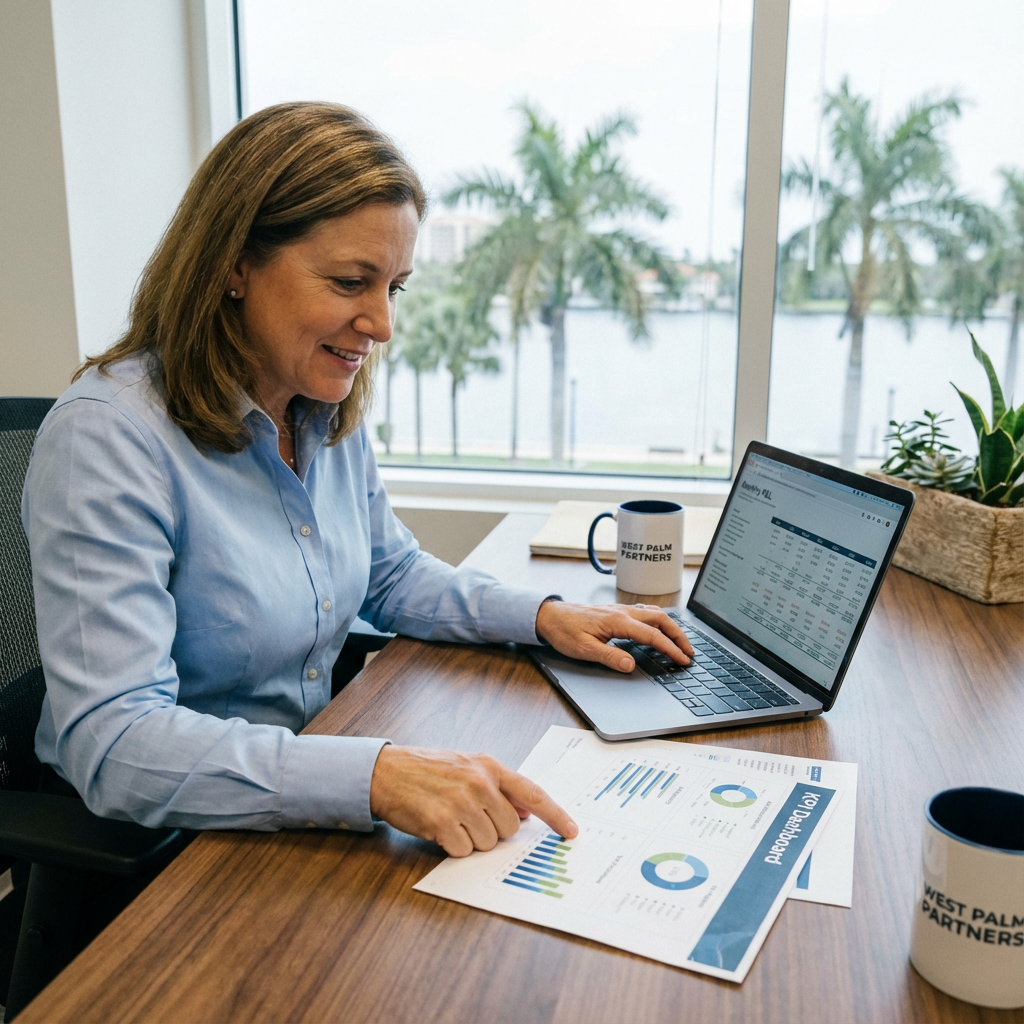
Core responsibilities of an asset manager
Financial oversight and budgeting
- Set rent strategy and review market comps.
- Build and approve annual budgets and monitor cash flow.
- Manage capex planning and prioritize projects by ROI.
Performance monitoring and reporting
- Track KPIs like NOI, cash-on-cash return, occupancy, and expense ratios.
- Produce monthly and quarterly reports for owners and investors.
Strategic capital allocation
- Decide which assets to renovate, hold, recapitalize, or sell.
- Model scenarios to balance cash flow and appreciation.
Vendor and property manager coordination
- Align local property managers with portfolio strategy.
- Standardize vendor agreements, procurement, and quality controls.
Risk, compliance, and market analysis
- Monitor insurance, local ordinances, and licensing.
- Adjust strategy for seasonal markets, regulatory shifts, and hurricane preparedness in South Florida.
How asset managers add measurable value
You hire asset management when you want results beyond occupancy and basic maintenance. Typical value drivers include:
- Increased net operating income through smarter pricing and expense control.
- Better capital deployment that raises property value per dollar spent.
- Faster, data-driven decisions that prevent small problems from becoming large losses.
Here’s the thing, small portfolios still benefit. Even two to three properties gain clarity from consistent KPIs and a simple oversight process. If you’re scaling, bringing on an asset manager becomes even more cost effective.
Asset management vs property management, plain language
- Property management = everyday operations: leasing, repairs, tenant relations, and rent collection. See local service options at Beaches Welcome Service for hands-on property management: https://beacheswelcomeservice.com/property-management/.
- Asset management = strategic oversight and investor-focused financial management. For a full local asset management overview, visit https://beacheswelcomeservice.com/asset-management/.
If you’re wondering which you need, ask: do I need someone to fix a leaky roof today, or do I need someone to decide whether that roof replacement increases value enough to justify the spend? Often you need both, coordinated.
When investors should hire asset management
- Multi-property owners or private equity groups who want consistent reporting and capital discipline.
- Owners facing underperforming assets who need repositioning or exit analysis.
- Remote investors and snowbirds who require centralized oversight across South Florida markets like Delray Beach, Fort Lauderdale, or Port Saint Lucie.
If you’re local and curious about portfolio oversight best practices, Beaches Welcome Service’s guide on portfolio oversight is a practical next read: https://beacheswelcomeservice.com/blog/what-is-portfolio-oversight-for-real-estate-investors-a-guide/.
How to choose the right asset manager, questions to ask
- What KPIs and reporting cadence will you provide?
- How do you coordinate with property managers and vendors?
- Can you show examples where oversight improved NOI or reduced vacancy?
- What fees or performance incentives do you use?
- How do you handle local regulatory and seasonal risks in South Florida?
Ask for sample reports and recent, local case studies. If the manager can’t share clear before/after metrics, that’s a red flag.
Local considerations for South Florida investors
South Florida has tourism-driven seasonality, hurricane risk, and city-level rules that influence asset-level decisions. Pricing models should include seasonal demand and weather contingencies. Regular market scans help identify when to shift short-term units into longer-term leases or when to pursue value-add renovations to capture demand in towns like Boynton Beach or Riviera Beach.
For region-specific services that combine daily execution with strategic oversight, check localized offerings at Beaches Welcome Service: https://beacheswelcomeservice.com/.
FAQs
What is the difference between asset management and property management?
Property management handles daily operations. Asset management looks across assets to manage strategy, capital, and investor returns.
How often should I review portfolio performance?
Monthly financial reviews with quarterly strategic meetings are a common and effective cadence.
What KPIs matter most for investors?
Net operating income, cash-on-cash return, occupancy rate, rent growth, and expense ratios are key.
Can technology replace human oversight?
Not entirely. Technology speeds reporting and flags trends, but human judgment is essential for strategy and complex decisions.
How much does asset management cost?
Costs vary by portfolio size and scope. Many managers use a base fee plus performance incentives tied to NOI or cash flow improvements.
Do small portfolios need asset management?
Yes, even small portfolios benefit from standardized reporting and basic oversight. Start simple and scale oversight as your holdings grow.
Where can South Florida investors find local asset management help?
Local teams who combine asset oversight with property-level execution provide the best outcomes. Explore localized services at Beaches Welcome Service: https://beacheswelcomeservice.com/asset-management/.
Ready to align operations with your investment goals
If you want experienced local oversight that connects daily property execution to your portfolio goals, schedule a consultation with a South Florida team that understands seasonal demand, local rules, and investor reporting. Visit https://beacheswelcomeservice.com/ to request a consultation and get a practical plan tailored to your holdings.
Conclusion
Asset management turns real estate ownership from reactive troubleshooting into proactive value creation. Whether you’re an accidental landlord, a snowbird owner, an individual investor, or part of a private equity group, practical oversight, consistent KPIs, and aligned local execution are the high-leverage moves that protect capital and increase returns. Start by collecting 12 months of performance data, pick three KPIs to track, and schedule a 60-minute portfolio review. Small, repeatable steps lead to big improvements over time.

