
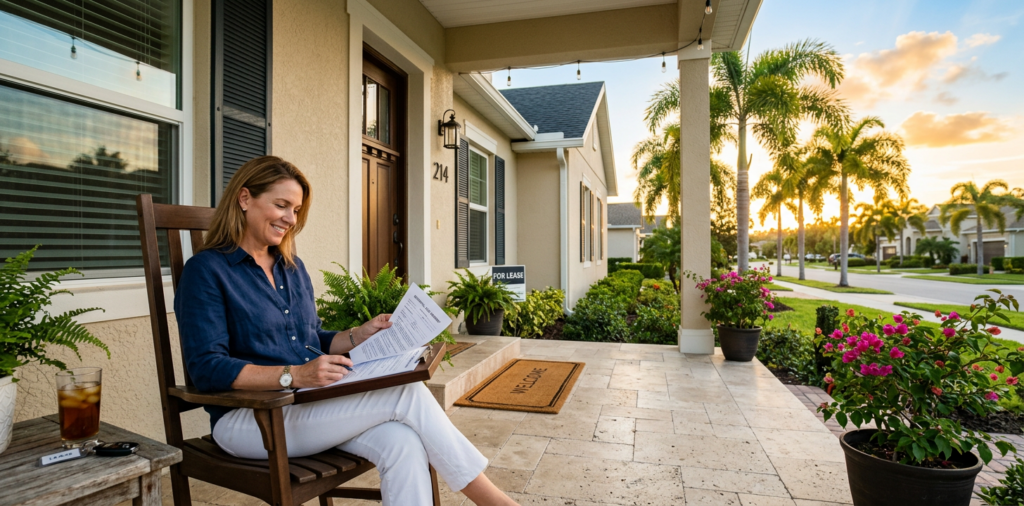
Becoming a landlord by accident is more common than people think. Maybe you moved for work, inherited a property, or decided to keep your home instead of selling it. Suddenly, you are not just a homeowner anymore, you are managing tenants, repairs, rent collection, and legal details you probably never planned to learn.
That is exactly why accidental landlord tips matter so much. If you are stepping into rental ownership in South Florida, the right approach can protect your cash flow, your property, and your peace of mind.
What Makes an Accidental Landlord Different?
An accidental landlord is someone who owns a rental property without originally planning to become a rental property owner. This can happen after a move, divorce, job relocation, inheritance, or a failed home sale. The challenge is not just owning the asset, it is learning how to operate it like a business.
Unlike a seasoned investor, you may not have systems for tenant screening, lease administration, maintenance coordination, or financial reporting. That is where strong accidental landlord tips can help you avoid the most expensive mistakes.

Start With A Clear Business Mindset
The biggest shift is mental. Once the home becomes a rental, it should be treated as an income-producing asset, not a sentimental family space. That does not mean you stop caring about it, it means you make decisions based on numbers, risk, and consistency.
Create a simple rental file that includes the lease, move-in photos, tenant contact information, insurance documents, repair records, and monthly income and expense tracking. If you plan to keep the home in West Palm Beach, Boynton Beach, Delray Beach, Fort Lauderdale, Port Saint Lucie, Fort Pierce, Lake Worth, or Riviera Beach, this structure becomes even more important because local market conditions and maintenance needs can change quickly.
Set A Realistic Rent Price
Do not guess. Research comparable properties nearby and factor in location, condition, amenities, pet policies, and seasonal demand. In South Florida, pricing too high can create extended vacancy, while pricing too low can leave money on the table.
If you are unsure, a professional property manager or investor-focused real estate advisor can help you position the home correctly for your market.
Understand Your True Costs
Mortgage payments are only one piece of the puzzle. You also need to plan for taxes, insurance, HOA dues, repairs, vacancy, landscaping, and management fees. A rental that looks profitable on paper can quickly become stressful if those costs are ignored.
Screen Tenants Carefully
A good tenant is one of your best assets. A weak screening process is one of the fastest ways to turn a good property into a bad experience.
Use a consistent screening process that includes application review, income verification, rental history, credit checks, and background checks where legally allowed. The goal is not to judge people unfairly, it is to reduce avoidable risk.
Look Beyond The Credit Score
A strong application is more than a number. Pay attention to stable employment, verified income, positive landlord references, and a clean rental history. Someone with a short but steady rental record may be a better fit than a higher score with inconsistent background details.
Follow Fair Housing Rules
You need to treat every applicant consistently and avoid discriminatory questions or selection practices. If this feels confusing, it is worth getting help from a qualified property manager or legal professional before listing the home.
Put The Right Lease In Place
A handshake is not enough. A strong lease should spell out rent due dates, late fees, maintenance responsibilities, occupancy rules, pet policies, and what happens if the tenant needs to break the lease.
If your home is in a coastal or high-demand South Florida area, make sure the lease also addresses storm preparation, hurricane procedures, and communication expectations during emergencies. This is one of the most overlooked accidental landlord tips, and it can save a lot of conflict later.
Document Move-In Condition
Take date-stamped photos and videos before the tenant moves in. Walk the property room by room and record the condition of floors, walls, appliances, fixtures, and outdoor areas. This protects both you and the tenant when move-out time comes.
Build A Maintenance Plan Before Something Breaks
The best time to think about maintenance is before the first repair call comes in. Homes in Florida deal with heat, humidity, salt air, storms, AC strain, and sometimes heavy wear from seasonal occupancy patterns.
Create a list of trusted vendors for plumbing, HVAC, electrical, landscaping, pest control, and general handyman work. If the property is vacant or occupied by a snowbird tenant for part of the year, proactive inspections become even more valuable.
Respond Quickly To Repair Requests
Tenants remember how fast you respond. Small issues like leaks, faulty AC, or broken locks can become major problems if they are ignored. Quick communication builds trust and also helps protect the property from bigger damage.
Budget For Capital Expenses
Your AC system, roof, water heater, appliances, and flooring will not last forever. Set aside reserves for major replacements so you are not forced into panic spending later. A simple reserve account can make a huge difference.
Keep Your Finances Organized
If you want your rental to perform well, track it like a business. Separate bank accounts, digital receipts, and monthly reports are not optional, they are essential.
For owners who plan to scale into more properties later, disciplined recordkeeping also helps with financing, tax preparation, and portfolio decisions. That is especially relevant for investors and private equity groups looking at South Florida residential assets.
Track Income And Expenses Monthly
Log every rent payment, repair, insurance premium, mileage reimbursement, and service invoice. When tax time arrives, you will be glad you did. You will also get a clearer picture of whether the property is truly performing well.
Know When To Hire Help
Some accidental landlords can manage everything themselves. Many cannot, especially if they live far away, work long hours, or own multiple properties.
A professional team can handle tenant placement, rent collection, maintenance coordination, inspections, and financial oversight. If you are managing a home in one of the fast-moving South Florida submarkets, support can protect your time and reduce costly mistakes.
Property Management Is Not Just For Large Portfolios
This is a common misconception. Even one rental can justify professional management if the property is high-value, occupied by long-term tenants, or located far from where you live. The right partner can help turn stress into a repeatable system.
Think About Your Long-Term Exit Plan
Every rental should have a purpose. Maybe you plan to hold it for cash flow, sell it later, or use it as a future retirement home. Knowing your exit plan helps you make better short-term decisions.
If your goals change, your strategy can change too. For example, an inherited home in Fort Lauderdale may be better as a long-term rental now, but a future sale could make sense after market conditions improve.
FAQ
What is the first thing I should do as an accidental landlord?
Start by setting up the property like a business. Review the lease, confirm insurance coverage, document the condition of the home, and create a maintenance and rent collection system before the tenant moves in.
Do I need a property manager for one rental home?
Not always, but many first-time landlords benefit from one. If you live far away, have a busy schedule, or feel unsure about tenant laws and maintenance coordination, professional management can reduce risk.
How do I avoid bad tenants?
Use a consistent screening process, verify income, check rental history, and document every step. The more standardized your process is, the better your chance of finding reliable tenants.
What costs should I budget for?
Plan for mortgage payments, insurance, property taxes, HOA fees, repairs, vacancy, landscaping, pest control, and capital replacements. A reserve fund is essential.
Should I sell the home instead of renting it?
That depends on your goals, market conditions, and cash flow needs. If you are unsure, compare projected rent performance with net sale proceeds before deciding.
How do South Florida properties change the equation?
Climate, storms, humidity, and seasonal demand all affect management. Homes in coastal or high-demand areas may need more proactive maintenance and stronger lease language.
Ready To Turn A Rental Into A Reliable Asset?
If you have become a landlord unexpectedly, you do not have to figure it all out alone. The right systems, the right tenant process, and the right support can turn a stressful situation into a stable investment.
Beaches Welcome Service helps owners, investors, and accidental landlords manage long-term rentals, vacation homes, and property portfolios across South Florida. If you want help protecting your property and simplifying operations, start with a conversation at https://beacheswelcomeservice.com/.
Final Thoughts
Being an accidental landlord is not a failure, it is an adjustment. With clear systems, careful screening, realistic budgeting, and strong local support, you can make smart decisions and reduce stress.
The best accidental landlord tips are the ones that help you think like an investor, act like a professional, and protect the home you own.

