Dealing with a problem renter can feel overwhelming, especially when you own property in South Florida where seasons, out-of-state owners, and local laws create unique pressures. You want clear, practical steps that protect your investment, keep compliant with Florida law, and resolve issues without wrecking your cash flow.
In this guide you will find a regional approach geared for investors, accidental landlords, snowbirds, and property managers across West Palm Beach, Delray Beach, Fort Lauderdale, and nearby markets. I’ll show proven prevention tactics, documentation practices, and realistic escalation paths so you can how to handle bad tenants south florida with confidence.
Quick checklist: Your first five actions
- Stay calm, document everything, and communicate in writing.
- Review the lease and local regulations before you act.
- Attempt a respectful outreach and problem-solving conversation first.
- Put clear, dated records of late rent, damage, or complaints in a tenant file.
- If the issue persists, escalate with formal notices and legal help.
Prevention is your best protection
Tighten screening and lease language
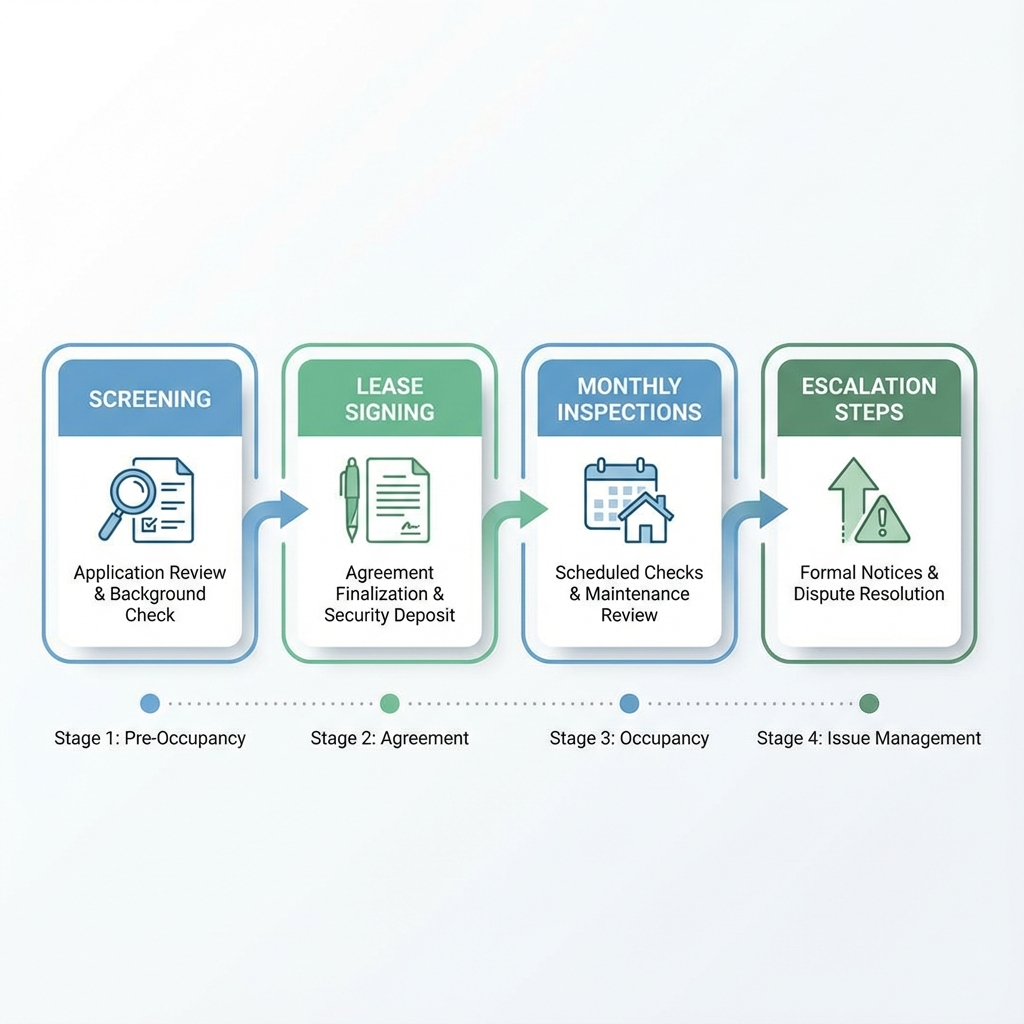
A single bad tenant often traces back to lax screening or a vague lease. Strengthen future placements by using thorough background, credit, rental verification, and clear rules about pets, guests, noise, and maintenance responsibilities. Consider adding a renter’s insurance requirement and explicit move-out cleaning and repair expectations.
Link a prospective tenant to your policy pages and application process, and add clear contact points so issues get reported early. For professional support, consider our rental management solutions at https://beacheswelcomeservice.com/services/ which handle screening, rent collection, and tenant relations.
Regular inspections and open communication
Schedule periodic inspections with notice as allowed by the lease and Florida rules. Inspections reduce surprises, give you a legitimate reason to visit, and often prevent small problems from becoming big ones. Keep communications documented: emails, texts, and logged phone calls.
When a tenant breaks the rules or misses rent
Step 1, document and warn
Collect evidence: dated photos, repair invoices, witness statements, and copies of any communication. Send a polite but firm written notice describing the breach and the remedy you expect. Always keep copies.
Step 2, use formal notices before filing eviction
Florida law sets specific notice and cure periods for various issues. Before starting any formal process, send the appropriate written notice required by the lease and law, and offer clear next steps. Never attempt lockouts, utility shutoffs, or other self-help remedies, those are illegal and can cost you a lot.
For legal specifics, consult the Florida landlord-tenant statute and reputable guides such as the state statute portal and practical resources like Nolo to confirm current notice requirements.
Step 3, consider mediation or payment plans
If the tenant is cooperative but behind, a short-term payment plan or mediation can preserve tenancy and reduce vacancy costs. Use a written amendment to the lease so terms are clear.
Step 4, eviction as a last resort
When notices fail and violations continue, proceed with the legal eviction process through the courts. Work with a Florida-licensed attorney or experienced eviction specialist. Evictions are time-consuming and may take longer during high-volume periods, so start early once you decide.
Handling property damage, nuisance, and criminal activity
- For damage, get estimates and document costs. Use the security deposit per your lease and Florida law, and keep receipts for deductions.
- For nuisance or criminal activity, notify law enforcement when appropriate and document police reports. Follow up with formal lease-violation notices.
- For severe or dangerous behavior, consult counsel and consider expedited legal pathways to protect other tenants.

Practical tips that save time and money
- Keep a tenant file for every unit with lease, communications, photos, and receipts.
- Automate rent collection and late fees to reduce disputes.
- Use certified mail or tracked email for important notices to create proof of delivery.
- Partner with a local property manager who understands South Florida markets and court timelines. Learn more about full-service property management at https://beacheswelcomeservice.com/.
When to call a professional
If you see patterns of missed rent, repeated complaints, or escalating behavior, call a local attorney or property manager. Professionals can advise on correct notice forms, filing procedures, and deed/title issues after judgment. If you prefer self-service resources, check the property owner resources at https://beacheswelcomeservice.com/blog/ for template notices and guidance.
Frequently Asked Questions
How do I start when a tenant stops paying rent?
Start by documenting the missed payments and sending a written demand. Refer to the lease for late fee rules, then send the legally required notice before suing for eviction. Avoid self-help remedies.
Can I change the locks if a tenant is late or causing trouble?
No, changing locks or physically removing a tenant without a court order is illegal in Florida and can expose you to liability. Always use the legal eviction process.
What can I deduct from the security deposit for damage?
You can deduct for unpaid rent, repairs beyond normal wear and tear, and unpaid utilities if the lease allows. Keep receipts and provide an itemized statement when you make deductions.
How long does eviction take in South Florida?
Eviction timelines vary by county, court workload, and whether the tenant contests the case. Because timelines change, consult a local attorney or property manager and start the process promptly when needed.
Should I try to negotiate a buyout to avoid eviction?
Sometimes a voluntary move-out agreement or buyout is faster and cheaper than a contested eviction. Put any agreement in writing and include move-out date and condition expectations.
Can I file a civil suit for tenant-caused damages beyond the deposit?
Yes, you can file a claim in county or small claims court if damages exceed the deposit. Keep strong documentation and repair estimates.
What are my best options if I’m an out-of-state owner?
Hire an on-the-ground property manager who handles inspections, local vendor work, tenant communications, and court representation. A trusted local partner reduces risk and response time.
Next steps to protect your investment
If you want hands-on help managing problem tenants or preventing them, our team at Beaches Welcome Service specializes in long-term rental management and investor services across South Florida. We handle screening, lease enforcement, and evictions when necessary so you don’t have to. Visit https://beacheswelcomeservice.com/contact/ to start a conversation and protect your rental income.
Conclusion
Handling bad tenants in South Florida is about preparation, documentation, and knowing when to escalate. Start with rigorous screening and a clear lease, document every incident, communicate in writing, and use legal notices before filing eviction. When issues escalate, working with local professionals saves time, money, and stress. Protect your asset, follow the law, and act consistently — you’ll reduce risk and keep your portfolio performing.