
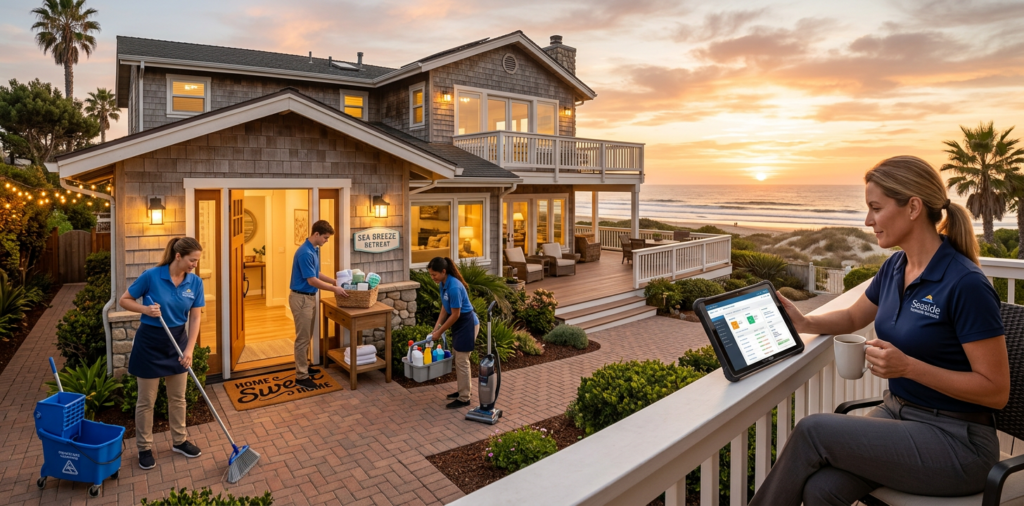
Managing a vacation rental from another state can work very well, but only if you treat it like an operating business, not a side project. The owners who do best are the ones who build systems, hire the right local support, and stay consistently involved without trying to be everywhere at once.
That matters even more in fast-moving markets like South Florida, where guest expectations, maintenance needs, and seasonal demand can shift quickly. If you own property in West Palm Beach, Boynton Beach, Delray Beach, Fort Lauderdale, Port Saint Lucie, Fort Pierce, Lake Worth, or Riviera Beach, the right remote strategy can protect your revenue and your asset at the same time.
Start With A Clear Management Plan
The first step in learning how to manage a vacation rental from another state is setting expectations before the first booking ever comes in. Decide who handles guest messaging, check-ins, cleaning, inspections, repairs, pricing, and emergency calls. If every task is vague, delays and mistakes are almost guaranteed.
A strong plan should answer three questions:
- Who owns each responsibility?
- How quickly should issues be handled?
- What happens if the primary person is unavailable?
This is where many remote owners lose money. They assume text messages and a few vendor contacts are enough, but a vacation rental needs a repeatable process. If you want a more scalable model, consider vacation rental management or broader asset management and portfolio oversight so the property is protected even when you are out of state.
Build A Trusted Local Team
You cannot manage every repair, turnover, or guest issue from hundreds of miles away. You need people on the ground who are reliable, responsive, and accountable. At a minimum, that usually means a cleaner, a handyman, a locksmith, and someone who can do property checks.

When hiring locally, focus on service quality and communication, not just price. A cheap cleaner who misses details can hurt reviews. A slow handyman can turn a small leak into a major repair. In vacation rentals, reputation is revenue.
Automate The Parts That Can Be Automated
Remote ownership gets much easier when you reduce manual work. Use technology for calendar syncing, guest messaging, digital lock access, noise alerts, and maintenance tracking. Automation does not replace management, but it helps you stay consistent.
Some useful systems include:
- Smart locks for check-in and code changes
- Messaging templates for guest questions
- Calendar tools that prevent double bookings
- Noise monitoring for party prevention
- Digital maintenance logs for repairs and follow-up
The goal is simple. You want your property to run smoothly whether you are in Florida or across the country. The less you depend on memory, the fewer surprises you will face.
Protect Your Property With Inspections And Prevention
If you are learning how to manage a vacation rental from another state, inspections are non-negotiable. Problems that are minor in week one can become expensive in week four. Water leaks, HVAC issues, pest activity, and wear from guest turnover all need regular attention.
Set a routine for:
- Pre-arrival checks
- Post-checkout inspections
- Monthly deep inspections
- Seasonal safety reviews
This is especially important in humid coastal markets. Salt air, storms, and heavy guest use can shorten the life of appliances, finishes, and outdoor features. A proactive process helps you avoid avoidable repairs and preserve long-term value.
Use Dynamic Pricing And Local Market Awareness
Vacation rental income depends heavily on timing, demand, and local competition. If you are out of state, you need current pricing strategies, not guesswork. Rates should reflect holidays, school breaks, special events, weather patterns, and occupancy trends.
A good pricing strategy should consider:
- Seasonal demand changes
- Minimum-night rules
- Event weekends
- Last-minute booking windows
- Longer stays during slower periods
If you also own other real estate, a local team that understands single-family and multi-family property management can help you think beyond nightly rates and protect overall portfolio performance. That is especially useful for investors and accidental landlords balancing more than one asset.
Communicate Like A Hotel, Not A Hobby Host
Guests expect fast responses, clear instructions, and professional service. When you are out of state, communication becomes one of your biggest competitive advantages. A well-written welcome message, house guide, and issue-response process can reduce stress for everyone involved.
Here is the thing, most negative guest experiences are not caused by major failures. They are caused by confusion. Clear instructions about parking, Wi-Fi, trash, checkout, and house rules can prevent a lot of problems before they start.
Plan For Emergencies Before They Happen
Out-of-state ownership means you need a real emergency plan, not a hope-and-pray approach. Guests will call about lockouts, power outages, plumbing issues, and weather-related concerns. You need someone local who can respond quickly, especially during nights, weekends, and storms.
Your emergency plan should include:
- A list of priority vendors
- Backup contacts for each vendor
- A damage escalation process
- Insurance and claim documentation steps
- A guest communication template for urgent issues
The best time to build this plan is before anything goes wrong. After a storm or a major repair, speed matters.
Know When To Outsource The Entire Operation
Some owners start by trying to manage everything themselves, then realize the time cost is too high. That is often the point where professional management makes sense. If the property is far away, your time is limited, or your portfolio is growing, outsourcing can improve both guest experience and owner peace of mind.
A full-service team can help with:
- Guest coordination
- Vendor management
- Maintenance follow-up
- Revenue strategy
- Property oversight
- Real estate planning for future expansion
For many investors, snowbirds, and private equity buyers, a local partner also helps with long-term strategy, not just daily operations. That can be especially helpful if you are buying, selling, or repositioning homes in South Florida.
Why This Matters In South Florida
Markets like West Palm Beach, Delray Beach, Fort Lauderdale, and surrounding coastal areas can reward well-run rentals, but they also punish poor management. Guest expectations are high, turnover moves fast, and property conditions matter. A strong local system can make the difference between an underperforming asset and a reliable income stream.
FAQ
Can I manage a vacation rental from another state without a property manager?
Yes, but only if you have strong local vendors, automation, and a dependable inspection routine. Without those pieces, it becomes much harder to keep the property running smoothly.
What is the biggest mistake remote owners make?
The most common mistake is trying to save money by skipping systems. Poor communication, weak cleaning, and delayed maintenance usually cost more than professional support.
How often should I inspect a remote vacation rental?
At minimum, plan regular post-stay inspections and monthly or seasonal checks. High-traffic homes may need more frequent visits depending on occupancy and location.
What technology helps most with remote management?
Smart locks, automated messaging, noise monitoring, and maintenance tracking tools are some of the most useful. They help you stay organized and respond faster.
Should I use the same approach for long-term and short-term rentals?
No. Vacation rentals require more guest communication, faster turnover, and closer monitoring. Long-term rentals usually need a different management rhythm.
When should I hire a professional management company?
If you are spending too much time handling issues, if guest satisfaction is slipping, or if the property is too far away for practical oversight, professional management is usually the smarter move.
Ready For A Smarter Remote Strategy
If you want your vacation rental to perform well from another state, the key is simple, build the right local support, create clear systems, and stay proactive. That approach protects your time, your guests, and your investment.
If you are looking for help with vacation rental management, long-term rental management, or broader property oversight in South Florida, the right partner can make remote ownership far easier. Start by creating a plan that fits your goals, then build around it with professional support.
Conclusion
Managing a vacation rental from another state is absolutely possible, but it works best when you stop thinking like a distant owner and start thinking like an operator. With the right systems, local team, and communication process, you can reduce stress and improve performance at the same time.
The owners who succeed long term are the ones who stay organized, stay responsive, and stay focused on the guest experience. Do that, and your property can become a real asset instead of a constant headache.

