

What landlords in Port St. Lucie need to know right now
Managing a rental in Port St. Lucie means juggling maintenance, tenant relations, and legal rules so you protect your asset and your cash flow. Whether you own a single-family home for long-term rent, a seasonal snowbird unit, or a vacation property, clarity on the law saves time, prevents costly mistakes, and reduces eviction risk.
Boldly know this up front: "what are landlord laws in port st lucie" is mostly answered by Florida state law, with local rules layered on for taxes, zoning, and code enforcement. Read on for the essentials every landlord in Port St. Lucie should follow, plus practical next steps and resources.
Quick summary of the legal framework
- Florida state law, specifically the Florida Residential Landlord and Tenant Act (Chapter 83), controls landlord and tenant rights and responsibilities statewide. Key topics include habitability, security deposits, notice periods, landlord access, and prohibited practices.
- Local governments like the City of Port St. Lucie can enforce building codes, zoning, nuisance and noise rules, and business tax receipts, but they may not override state landlord-tenant statutes where state law explicitly covers the subject.
- For short-term or vacation rentals, zoning, business tax receipts, and county rules can matter in addition to state tenant law.
The most important landlord rules that apply in Port St. Lucie
Habitability and repairs
Landlords must maintain the property to meet building, housing, and health codes. That includes keeping structural components, plumbing, and major systems in good working order. If the unit lacks applicable local codes, landlords still must keep the property in reasonable repair under state rules. For full text, consult Florida Statutes Chapter 83.51.
Security deposits and advance rent
Florida has specific rules about how landlords must hold and disclose security deposits. You must give tenants written notice where the funds are held within 30 days of receiving a deposit, and follow statutory timing for itemizing and returning deposits after tenancy ends. See Florida Statutes Section 83.49 for details.
Entry and access
A landlord may enter for repairs and inspections with reasonable notice. Florida law defines reasonable notice for repairs as at least 24 hours and reasonable hours for entry, unless it is an emergency.
Notices and eviction timelines
If a tenant fails to pay rent, the landlord may serve a 3-day pay-or-quit notice under Florida law, excluding weekends and legal holidays. For lease violations that can be cured, a 7-day notice to cure or vacate is typical. Termination notice lengths for periodic tenancies follow statutory rules. Follow the exact statutory forms and service methods before filing in court.
Prohibited landlord practices
Self-help evictions are illegal. You cannot shut off utilities, change locks, or forcibly remove a tenant without a court order. Retaliatory eviction for tenant complaints about conditions is also banned. Florida law provides penalties for unlawful landlord conduct.
Local issues Port St. Lucie landlords must still watch for
Business tax receipt and registration requirements
If you rent properties as part of a business, you may need a City of Port St. Lucie business tax receipt and to comply with county business tax requirements. These do not replace state landlord-tenant law, but they are enforceable by the city.
Zoning, nuisance, and safety codes
Local code enforcement handles unsafe structures, over-occupancy, yard maintenance, and noise complaints. Repeated nuisance complaints from tenants or neighbors can trigger inspections or fines even if tenancy matters remain governed by state law.
Short-term rentals and vacation rental considerations
Short-term rentals can trigger additional city or county rules about transient lodging, safety, and taxation. If you plan to run an Airbnb or vacation rental in Port St. Lucie, check zoning and business tax rules before listing.
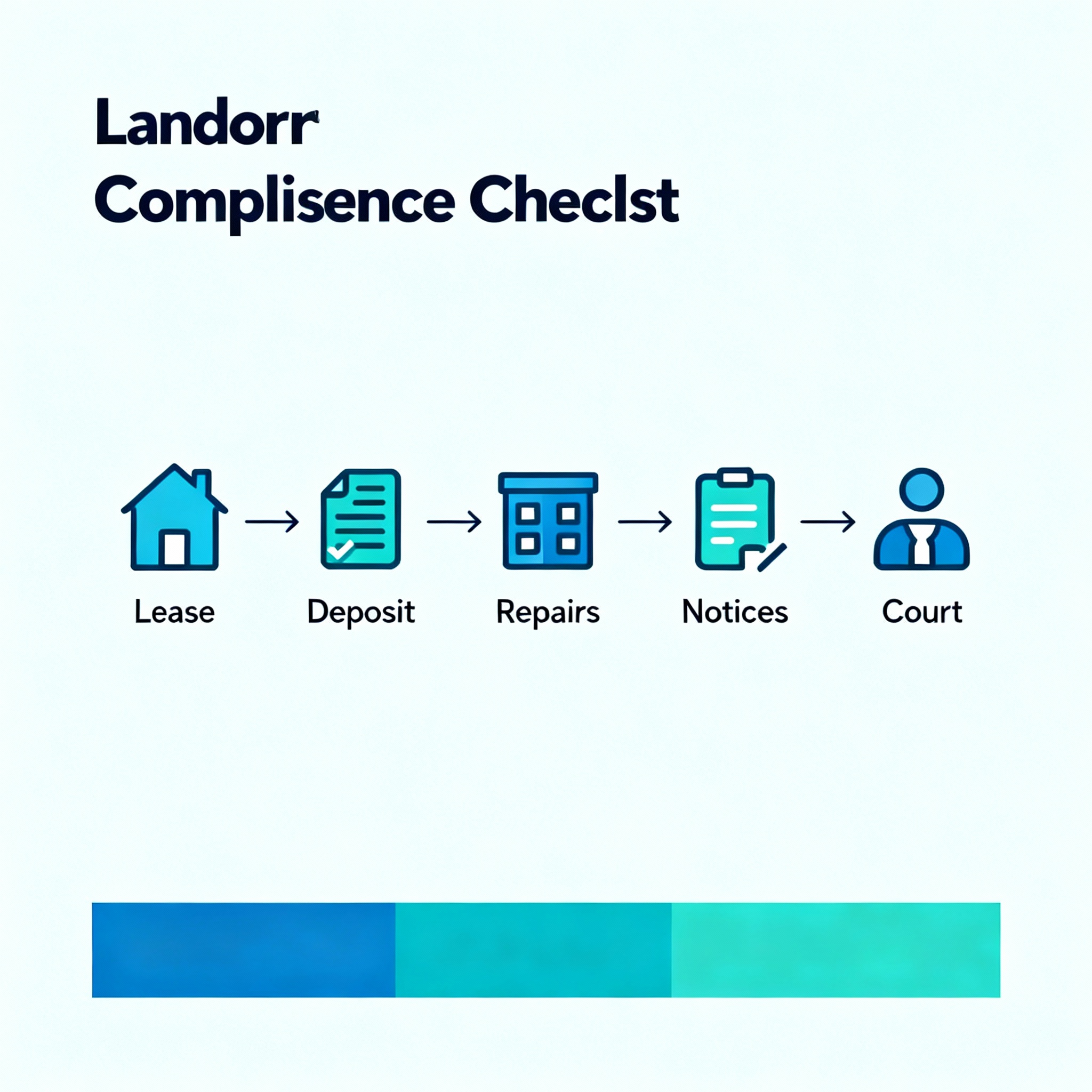
Practical compliance checklist for Port St. Lucie landlords
- Read and bookmark Florida Statutes Chapter 83, especially sections on maintenance, deposits, access, and eviction notices.
- Create or use a state-compliant lease form and a clear move-in checklist with dated photos.
- Keep security deposits in the required account and provide the statutory deposit notice within 30 days.
- Respond promptly to repair requests and document all work orders, receipts, and communications.
- If eviction becomes necessary, serve the correct statutory notice and file in the county court, do not self-evict.
- Verify whether a city business tax receipt or any short-term rental registration is required before listing your property.
How Florida preemption affects Port St. Lucie landlords
Florida has preempted many landlord-tenant rules to the state, meaning the legislature sets the baseline rights and obligations. That preemption prevents cities from enacting conflicting rules on things like security deposits, notice periods, and tenant screening. Still, municipalities can enforce building codes, zoning and nuisance laws, and require business tax receipts.
Where to find authoritative local and state resources
- Official Florida statutes and Chapter 83 text, for landlord-tenant rules: https://www.flsenate.gov/Laws/Statutes/Chapter/83
- City of Port St. Lucie government pages, for business tax receipts, code enforcement, and local permits: https://www.cityofpsl.com
- St. Lucie County official site, for county-level rules and taxation: https://www.stlucieco.gov
Common landlord questions answered
Do I need to register my rental with the city?
Not typically for long-term rentals, because landlord-tenant matters are governed by state law. You still may need a business tax receipt or to comply with local safety or zoning rules. Check the City of Port St. Lucie business pages before operating.
What notice must I give to end a month-to-month tenancy?
Florida spell out notice periods for different tenancy types. For month-to-month tenancies, follow the statutory notice period specified in Chapter 83. Always serve notices in writing and keep proof of delivery.
Can I withhold utilities to force a tenant out?
No. Interrupting utilities or changing locks to force a tenant out is illegal and can expose you to damages and attorney fees.
FAQs
What documents should every Port St. Lucie landlord keep?
Keep the lease, move-in checklist and photos, deposit account documentation, maintenance records, receipts, notices served, tenant communications, and insurance records.
How should I handle security deposits when tenants move out?
Provide the statutory written notice of intent to impose a claim on the deposit within 30 days, and return any remaining deposit according to the timing in Florida law. Keep careful records.
Where do I file an eviction in Port St. Lucie?
File eviction actions in the St. Lucie County court where the property is located. Follow the statutory process exactly to avoid delays.
Are there special rules for renting to snowbirds or seasonal tenants?
You can use short-term or seasonal leases, but the lease terms should be clear about utilities, deposits, and termination. Consider a lease that matches the seasonal term to avoid ambiguity.
Should I hire a property manager for a Port St. Lucie rental?
If you live out of area, own multiple units, or operate vacation rentals, a local property manager can reduce risk and handle compliance, maintenance, and guest services.
Helpful internal resources and next steps
Want expert, local help? We manage long-term and vacation properties across South Florida and can review your lease, deposit handling, and local compliance steps. Start here:
- Learn about our property management services: https://beacheswelcomeservice.com/property-management/
- Read our accidental landlord guide for practical Day 1 steps: https://beacheswelcomeservice.com/blog/accidental-landlord-help-south-florida-a-practical-guide-for-owners/
- Contact our team to discuss a specific Port St. Lucie property: https://beacheswelcomeservice.com/contact/
- Learn about our team and local experience: https://beacheswelcomeservice.com/meet-angie/
If you only do three things today
- Save the Florida Chapter 83 link and skim the landlord duties and eviction notice sections. 2. Confirm whether your rental needs a city business tax receipt or short-term rental permission before listing. 3. Put deposit money and accounting on a separate bank account and create a dated move-in checklist with photos.

Ready for hands-on help
If you want a local partner to manage compliance, screening, maintenance, and tenant relations in Port St. Lucie so you can protect your investment, start a conversation with Beaches Welcome Service today. Visit https://beacheswelcomeservice.com/ to schedule a short consultation and get tailored next steps.
Conclusion
Landlord law in Port St. Lucie rests primarily on Florida state rules, with local city and county codes adding important operational requirements. Follow the Chapter 83 basics for deposits, repairs, entry, and notices, and check city zoning, business tax, and short-term rental rules before operating. With clear documentation and good local partners, you can reduce risk and keep your rental performing well.

