

Snowbird season transforms Boynton Beach into a high-demand rental market, but it also brings a unique set of headaches for owners who split time between states. If you own a second home here or manage a portfolio of seasonal units, you need a plan that protects your asset, keeps occupancy high, and reduces winter stress. snowbird rental management boynton beach should feel like hiring a local partner who thinks several steps ahead.
Why Boynton Beach Is a Smart Snowbird Market
Boynton Beach hits a sweet spot for seasonal renters, with easy access to West Palm Beach amenities and a more residential, relaxed coastline. Demand spikes from November through April, driven by retirees and remote workers seeking mild winters and outdoor lifestyles. Local data shows Palm Beach County can see an 11 percent population bump during peak season, which directly increases demand for quality seasonal rentals (expect higher nightly and monthly rates). Visit Florida also reports strong tourism volumes that underline seasonal revenue potential for property owners.
Typical Snowbird Guest Profile
- Retirees and near-retirees, often staying 2 to 4 months.
- Couples or solo travelers seeking quiet, walkable neighborhoods.
- Longer-stay vacationers who prefer furnished, turnkey homes to hotels.
Core Elements of Effective Snowbird Rental Management
Managing seasonal tenants is different from short nightly rentals and different from year-round leases. Focus on these five priorities.
1. Pricing and Revenue Strategy
Set seasonal rates that reflect demand curves. Use a blended approach, pricing for monthly stays November to April while offering flexible short-term rates in shoulder months. Dynamic pricing tools help, but local knowledge matters most when competing with nearby communities.
2. Tenant Screening and Lease Structure
For snowbirds you want longer minimum stays, clear expectations about utilities and maintenance, and proof of income or references. Use furnished lease addenda that outline appliance care, pool maintenance responsibilities, and guest limits to minimize disputes.
3. Maintenance, Inspections, and Make-Ready
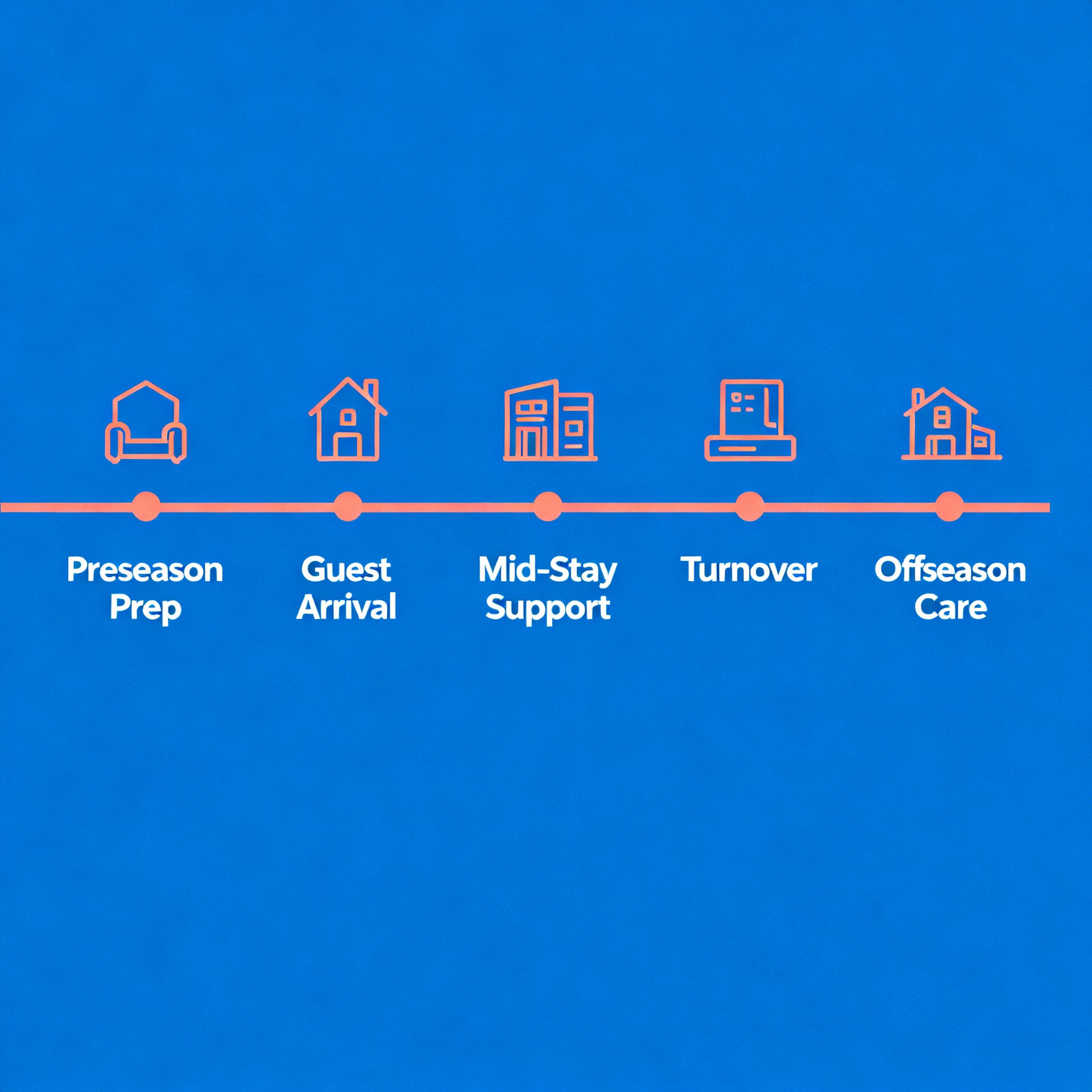
A winter guest expects an immaculate, fully serviced home. Schedule a pre-season make-ready inspection, deep clean, and preventative checks on A/C, water shutoffs, and hurricane shutters. Local vendor relationships speed response times and reduce costs.
4. Emergency Planning and Insurance
Snowbird guests expect peace of mind. Maintain an emergency contact list, clearly communicated evacuation plans during hurricane season, and insurance that covers seasonal rental activity. Documented check-in and check-out conditions reduce insurance friction.
5. Guest Experience and Retention
Small touches build repeat bookings. Welcome kits, local recommendations, seasonal calendars, and streamlined check-in increase reviews and referrals. For snowbirds, offering storage solutions or partnership discounts with local services makes a property easier to adopt for returning guests.
Practical Steps You Can Take This Season
- Audit your pricing now for November through April, and test a monthly-only listing to attract snowbirds.
- Put a trusted local vendor on retainer for HVAC, pool, and urgent repairs.
- Add a furnished lease addendum that covers seasonal cleaning and utilities.
- Offer a preferred-guest renewal discount to convert one-season stays into multi-year repeaters.

Common Objections and How to Handle Them
-
"I’m worried about hurricanes and insurance costs."
Be proactive. Inspections, elevated electrical items, hurricane shutters, and an up-to-date inventory reduce losses. Work with an insurer who understands seasonal occupancy. -
"I don’t want the hassle while I’m up north."
Arrange full-service management that handles guest communications, maintenance, and accounting. You should get clear monthly reporting and fast payment transfers. -
"What if guests overstay or damage the property?"
Strong screening, security deposits, and a clear lease with documented move-in/move-out condition reports prevent most issues. Local legal counsel can help craft enforceable lease terms.
Pricing Example (Illustrative)
- Off-season monthly market rate: set a baseline.
- Peak season (Dec–Mar) monthly premium: add 20 to 35 percent depending on location and amenities.
- Offer a 2 to 6 percent discount for returning guests to improve lifetime value.
Tools and Services That Make a Difference
- Local property manager for daily operations, inspections, and vendor coordination. See the Property Management page for service examples.
- Asset-level reporting to monitor ROI and capital needs. Learn more on the Asset Management page.
- A simple owner portal for statements and maintenance logs, so you stay connected without the phone calls.
Frequently Asked Questions
How long do snowbirds usually rent in Boynton Beach?
Most seasonal tenants stay between two and four months, typically arriving in late fall and leaving by early spring.
Should I list my home as short-term or a seasonal monthly rental?
For snowbirds, monthly seasonal listings often perform better, offering stability and lower turnover than nightly short-term rentals.
What are the biggest seasonal maintenance items to plan for?
HVAC service, pool maintenance, pest control, and hurricane readiness inspections top the list.
How do I find verified snowbird tenants?
Use a blend of platform marketing, local referral networks, and thorough screening. A local manager will have a pipeline of returning guests and community contacts.
Will hurricane season affect bookings?
Hurricane season overlaps with off-peak months for many snowbirds, but late-season storms can delay arrivals. Clear cancellation and rescheduling policies help protect both you and guests.
Do I need special insurance to rent to snowbirds?
Yes, confirm your policy covers seasonal rentals and any short-term rental activity. Provide the insurer with your lease structure so there are no surprises.
How do I keep costs low during the summer off-season?
Place the property on a preventative maintenance plan, winterize systems that need it, and consider long-term or corporate leasing for the off months.
Takeaway: Turn Seasonal Peaks into Reliable Income
Snowbird rental management in Boynton Beach is about planning, local partnerships, and thoughtful guest experience. With a clear pricing strategy, trusted vendors, and strong lease terms, owners can convert seasonal demand into predictable revenue and long-term repeat guests.
Ready to Simplify Your Seasonal Rental?
If you want a local partner who knows Palm Beach County and handles everything from tenant screening to asset reporting, let’s talk. Learn more about our full property management and real estate services at Beaches Welcome Service and schedule a property assessment today: https://beacheswelcomeservice.com/.
Conclusion
Managing snowbird rentals in Boynton Beach is an opportunity if you treat it like a business. Focus on pre-season prep, reliable maintenance, clear lease rules, and a guest experience that brings people back. The seasonal market rewards owners who plan, adapt, and partner with local experts. With the right approach, your Boynton Beach property can be a low-stress source of steady income for years to come.

