Real estate investing can feel like juggling many moving parts at once, from cash flow to maintenance and market timing. You need a single, reliable way to see how each property contributes to your goals, where risks live, and what decisions will improve returns. That clarity is exactly what what is portfolio oversight for real estate investors delivers when done right.
What portfolio oversight means, in plain terms
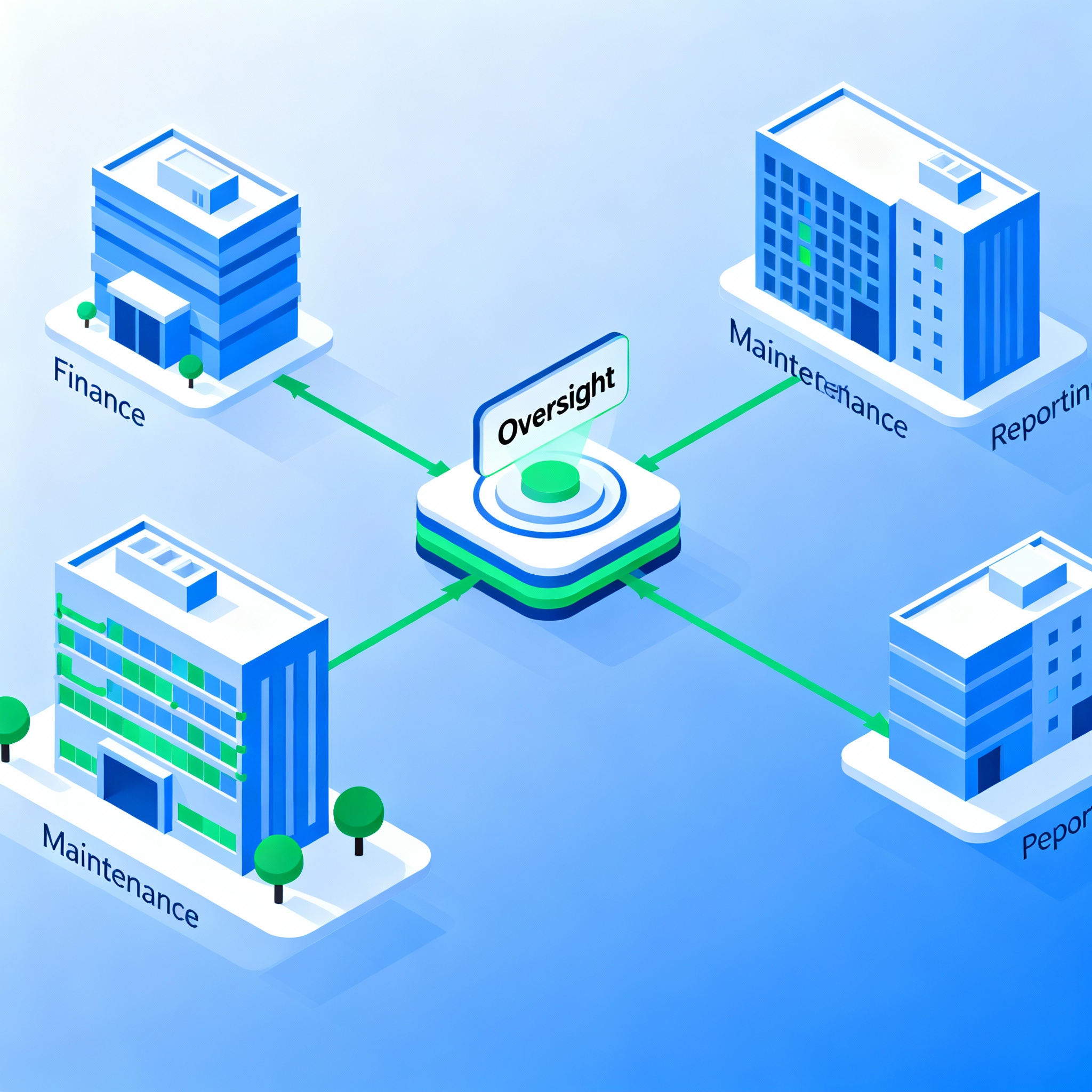
Portfolio oversight is the ongoing, strategic supervision of a group of real estate assets to make sure they perform in line with investor objectives. Think of it as the combination of high-level strategy plus practical monitoring: setting goals, tracking metrics, coordinating managers, and making course corrections so the whole portfolio grows value and income.
This is not the same as day-to-day property management. While property managers handle leasing, repairs, and tenant issues, portfolio oversight focuses on performance across properties, capital allocation, and investor reporting. Synonyms and related phrases you will see are portfolio management, asset oversight, investment portfolio monitoring, and portfolio governance.
Why investors need portfolio oversight
Aligns assets with strategy
You might own single-family rentals, vacation homes, and multi-family buildings. Oversight ensures each asset class and individual property serves your target mix for cash flow, growth, and risk tolerance.
Prevents small problems from becoming big losses
Routine reviews catch maintenance backlogs, underperforming units, or licensing issues before they erode returns.
Improves capital allocation decisions
Oversight helps decide when to invest in renovations, when to sell, and how to deploy cash between properties for the highest risk-adjusted return.
Strengthens reporting and investor confidence
Regular, clear reporting builds trust with partners, lenders, and limited partners, and it makes tax planning and compliance easier.
Core components of effective portfolio oversight
Strategy and policy
Set clear objectives for income, appreciation, diversification, and liquidity. Create policies for acceptable vacancy rates, capex thresholds, and hold/sell criteria.
Financial monitoring and KPIs
Track rent growth, net operating income, cash-on-cash return, cap rate, expense ratios, and occupancy. Monthly and quarterly dashboards let you compare properties side by side.
Performance reviews and benchmarking
Compare each property to neighborhood comps and historical performance. Ask which assets need repositioning, capital improvements, or disposition.
Capital planning and project oversight
Prioritize capital expenditures where they increase rent or reduce long-term operating costs. Oversight ensures projects stay on budget and deliver expected returns.
Governance and vendor coordination
Make sure property managers, contractors, and accountants follow the plan. Oversight defines responsibilities and enforces accountability.
Compliance and risk management
Monitor insurance, local ordinances, leases, and safety compliance across markets, particularly when you own properties in multiple South Florida jurisdictions like West Palm Beach or Fort Lauderdale.

How to set up portfolio oversight: a practical checklist
- Define your investment goals and time horizon. Are you focused on cash flow, appreciation, or a mix?
- Create standard reporting templates. Monthly P&L, occupancy, and a capital expenditure plan are basics.
- Choose KPIs and benchmarks for each property type.
- Assign responsibilities: who monitors, who approves spend, who communicates with investors.
- Implement a data platform or dashboard to consolidate performance from all properties.
- Schedule regular reviews: monthly operating reviews and quarterly strategic meetings.
- Build an action plan for underperforming assets: reposition, recapitalize, or sell.
Tools and resources that make oversight easier
- Property-level accounting or property management software for consistent P&L data.
- Dashboards for visual KPI tracking and trend analysis.
- Standardized reporting packs for investors and lenders.
- Trusted vendors and on-the-ground managers who execute to plan.
If you want help implementing these systems locally, see Beaches Welcome Service’s asset management overview for how a local team coordinates oversight and operations. You can also explore their property management services to understand how daily operations feed oversight and reporting.
Common objections and how oversight answers them
- "It’s too expensive." Oversight does cost, but unmanaged risk and missed revenue often cost more. Start small: focus oversight on largest-value properties first.
- "I already know my properties." Personal familiarity is valuable, yet consistent data and independent review reveal trends owners miss.
- "My portfolio is small." Even 2 to 3 properties benefit from repeatable processes and KPIs. Oversight scales with your holdings.
Local considerations for South Florida investors
South Florida markets have seasonal demand, tourism-driven rentals, and local regulatory changes. Oversight must include seasonal revenue modeling for vacation and short-term rentals, hurricane preparedness budgets, and local compliance checks for cities like Boynton Beach, Delray Beach, and Port Saint Lucie.
For tailored services in the region, Beaches Welcome Service offers asset-level strategy and local property management to align day-to-day operations with your portfolio goals.
Frequently Asked Questions
What is the difference between portfolio oversight and property management?
Property management handles day-to-day operations at each property. Portfolio oversight looks across all properties to manage strategy, capital allocation, and performance relative to investor goals.
How often should I review my portfolio?
Most investors use monthly operational reviews for finances and occupancy, with quarterly strategic reviews for capex and asset-level decisions.
What KPIs matter most for real estate portfolios?
Common KPIs include net operating income, cash-on-cash return, occupancy rate, rent growth, expense ratio, and capex as a percentage of value.
Can technology replace human oversight?
Technology speeds reporting and highlights trends, but human judgment is still essential for strategy, vendor negotiations, and complex decisions like sell vs hold.
How does oversight help with taxes and compliance?
Regular reporting identifies depreciation schedules, capital improvements, and deductible expenses, which simplifies tax planning and reduces compliance risk.
Should I centralize oversight if I own properties in several Florida cities?
Yes, a centralized oversight function helps you compare performance across markets, enforce consistent standards, and deploy capital where it creates the most value.
Where can I get professional oversight help in South Florida?
For investors in South Florida looking for local guidance, consider Beaches Welcome Service’s asset management and property management pages for services tailored to West Palm Beach, Fort Lauderdale, Delray Beach, and nearby markets.
Next steps you can take this week
- Collect the last 12 months of P&L and occupancy data for each property.
- Pick 3 KPIs to track consistently.
- Schedule a 60-minute portfolio review with your manager or advisor.
Ready to simplify and grow your portfolio
If you want a team that understands South Florida markets and can align daily management with portfolio-level strategy, talk to Beaches Welcome Service. They offer hands-on asset management, property-level execution, and investor reporting to keep your investments working for you. Visit https://beacheswelcomeservice.com/ to request a consultation and see how oversight can change your results.
Conclusion
Portfolio oversight turns a collection of buildings into a purposeful investment engine. It reduces surprises, improves capital decisions, and gives you the confidence to grow. Whether you are an accidental landlord, private equity investor, or long-term owner, building practical oversight routines is one of the highest-leverage moves you can make for lasting returns.