
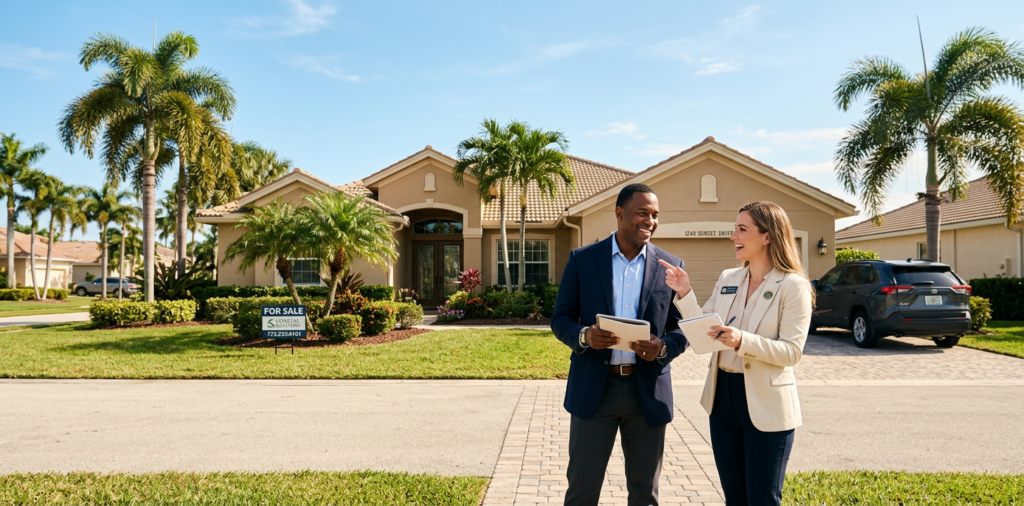
A good investment property is rarely found by chasing the lowest listing price or the highest advertised rent. It is found by matching a specific home, neighborhood, financing structure, and operating plan to the kind of tenant you intend to serve.
For investors considering buying investment property Port Saint Lucie, the opportunity is real, but the underwriting needs to be disciplined. Port Saint Lucie offers a broad inventory of single-family homes, growing planned communities, and a year-round renter base, yet insurance, taxes, HOA restrictions, maintenance, and realistic vacancy assumptions can quickly reshape an attractive spreadsheet.
The local market gives buyers more room to evaluate than a frenzy-driven environment. Zillow reported a typical Port Saint Lucie home value of $386,756 as of July 31, 2026, while the city’s average rent was $2,399. Those figures are useful starting points, not guarantees of what a particular home will earn or cost. (zillow.com)
Start With the Investment Strategy, Not the Listing
Before we tour homes, we define the role the property should play in the portfolio. A long-term rental, a furnished seasonal home, a value-add resale, and a future retirement property may all look appealing, but they require different purchase criteria.
| Strategy | Best Fit | Primary Metric | Common Risk |
|---|---|---|---|
| Long-term rental | Stable income focus | Cash flow after reserves | Underestimating expenses |
| Seasonal or furnished rental | Flexible-use owners | Net income by season | HOA and local rule limits |
| Value-add single-family home | Hands-on investors | Renovation return | Over-improving for area |
| Buy, hold, then sell | Growth-oriented owners | Equity and exit timing | Carrying costs during hold |
Long-Term Rentals
A well-located single-family rental can appeal to households seeking space, parking, yards, and a longer stay than an apartment lease. The goal is not simply to maximize the first month’s rent. We want a rent level that is supported by comparable listings, attracts qualified applicants, and supports renewals.
For an investor who lives out of state, stable tenancy and dependable maintenance coordination may be worth more than squeezing out an extra $75 in advertised rent. The property should produce predictable results, not a constant stream of owner decisions.
Seasonal Flexibility for Snowbirds
Some buyers want a Port Saint Lucie home they can use periodically and rent when they are away. That can work, but it is essential to verify HOA rental minimums, registration rules, furnishing requirements, insurance coverage, and the practical cost of turnovers before relying on seasonal income.
A flexible-use property should be underwritten conservatively. If the investment only works with uninterrupted premium bookings, it is not a resilient deal.

Evaluate Port Saint Lucie by Neighborhood and Tenant Demand
Citywide averages can hide major differences in purchase price, home condition, tenant profile, commute patterns, and HOA obligations. A rental near St. Lucie West may attract a different renter than a newer home in Tradition, a property near Gatlin Boulevard, or a home closer to the river and Fort Pierce employment corridors.
Realtor.com reported a median Port Saint Lucie listing price of $429,995 and a median rent of $2,550 in June 2026. It also reported more than 3,700 active listings, which reinforces why investors should compare properties carefully rather than make broad assumptions from a single market headline. (realtor.com)
What We Review at the Neighborhood Level
We recommend reviewing these details for every potential acquisition:
- Comparable rents for homes with similar bedroom count, age, condition, and amenities
- Days on market for rental listings, not just sale listings
- HOA lease restrictions, tenant approval rules, and rental caps
- Roof age, HVAC condition, windows, drainage, and major deferred maintenance
- School access, retail, medical services, major roads, and commute convenience
- Flood-zone status, insurance availability, and storm-preparation needs
- Competing new construction and nearby rental inventory
A lower-priced home is not automatically the better purchase. An older property with high insurance, a difficult HOA, recurring repair needs, or weak tenant demand can underperform a more expensive home with stronger fundamentals.
Underwrite the Property Like a Business
The biggest acquisition mistake is calculating cash flow from mortgage payment and rent alone. Real operating performance comes from the expenses that arrive after closing.
Build a Complete Monthly Expense Model
Our underwriting model includes:
- Principal and interest payment
- Property taxes based on likely post-sale assessment, not only the seller’s bill
- Landlord insurance and deductibles
- HOA or condo fees
- Property management and leasing fees
- Repairs and routine maintenance reserve
- Capital expenditure reserve for roof, HVAC, appliances, paint, and flooring
- Vacancy and turnover allowance
- Utilities, landscaping, pest control, or pool care when owner-paid
St. Lucie County’s 2024 American Community Survey estimates reported a median gross rent of $1,489 countywide. That is a useful reminder that publicly reported rent measures may differ sharply from asking rents for a specific modern single-family home, so property-level rental comparisons matter most. (stlucieco.gov)
Stress-Test the Numbers
We encourage clients to run three scenarios before making an offer:
- Base case: Expected rent, normal operating expenses, and a realistic vacancy reserve.
- Conservative case: Rent comes in lower, the property takes longer to lease, or insurance and repairs rise.
- Disruption case: A major repair, storm-related deductible, unexpected HOA charge, or early tenant turnover occurs.
If the purchase only produces acceptable returns in the most optimistic version of the spreadsheet, it deserves another look. A reliable rental investment should have room for normal friction.
Due Diligence That Protects the First Year of Ownership
Once a property reaches the offer stage, the inspection period becomes a business investigation. Cosmetic updates can be planned. Hidden water intrusion, aging systems, roof concerns, electrical issues, and unpermitted work can damage both cash flow and resale value.
Focus on High-Cost Items First
We prioritize the following questions:
- How old are the roof, HVAC system, water heater, and major appliances?
- Are there signs of moisture intrusion, mold, settlement, or drainage issues?
- Does the property have hurricane protection, and what will insurance require?
- Are there open permits, liens, assessments, or code concerns?
- What are the HOA’s lease terms, application process, and transfer fees?
- Does the layout support the renter profile we want to attract?
For investors buying from outside Florida, this is where local coordination matters. Inspection results should lead to a clear decision: proceed, renegotiate, request repairs, or walk away. Emotional attachment has no place in a rental acquisition decision.
Plan Operations Before Closing
A property does not become an investment simply because it closes. The first 30 to 60 days determine whether the home enters the market cleanly, competitively priced, and ready for the right tenant.
That means deciding who will handle leasing, screening, lease compliance, repair approvals, inspections, renewals, accounting, and storm communication. Our guide to managing rental property from afar explains why remote owners benefit from documented workflows rather than ad hoc decisions.
Choose the Right Management Structure
Self-management can work well for a local owner with time, experience, and a dependable vendor bench. It is less attractive for snowbirds, accidental landlords, owners with multiple properties, or private equity teams that need standardized reporting.
Full-service management generally makes sense when you value time, want professional leasing and maintenance coordination, or need better visibility across several doors. Before choosing a provider, compare not only the fee but also communication standards, inspection cadence, maintenance approval thresholds, reporting quality, and local experience. Our overview of single-family rental management in South Florida offers a useful framework for that comparison.
Build an Exit Plan Before You Buy
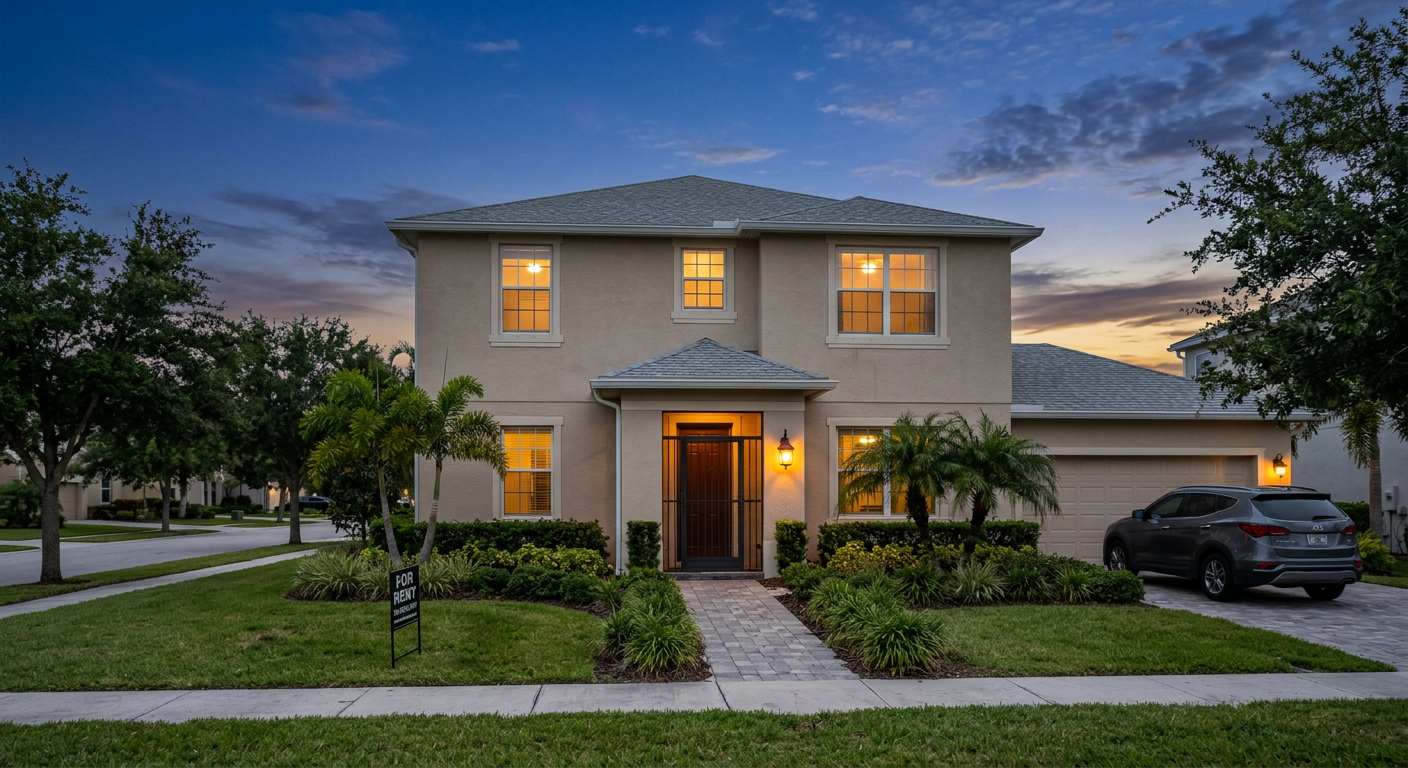
A clear exit plan improves the purchase decision. We want to know whether the likely outcome is a five-to-ten-year rental hold, a refinance after stabilization, a sale after improvements, a future personal residence, or a tax-deferred exchange into another asset.
That clarity helps us decide how much renovation is appropriate, whether a premium neighborhood is worth the entry price, and how much cash reserve should remain after closing. It also prevents owners from holding a weak asset simply because selling feels inconvenient.
For portfolio owners, each purchase should strengthen the broader strategy. Our article on portfolio oversight for real estate investors outlines the value of monitoring rent collection, vacancy, capital needs, and exit timing across properties rather than evaluating each home in isolation.
Frequently Asked Questions
Is Port Saint Lucie a good place to buy a rental property?
It can be, particularly for investors seeking single-family housing, a growing residential base, and more choice than many dense South Florida markets. The right answer depends on the individual property’s rent potential, insurance, taxes, condition, HOA rules, financing, and operating plan.
How much should we budget for repairs and capital expenses?
The amount depends on the age and condition of the home. We recommend maintaining separate reserves for routine repairs and large future expenses such as roof replacement, HVAC, appliances, flooring, and exterior work. An inspection should guide the initial reserve amount.
Are HOA communities a problem for rental investors?
Not necessarily, but they require careful review. Some associations require tenant screening, impose lease minimums, limit the number of rentals, charge application fees, or restrict certain vehicles and property uses. Obtain the governing documents before the inspection period ends.
Should we buy a furnished rental or an unfurnished long-term rental?
An unfurnished long-term rental is often simpler to operate and may offer more stable occupancy. A furnished option can fit snowbird use or flexible leasing plans, but it involves more setup, turnover, insurance, and operational complexity.
Can an out-of-state buyer successfully own a Port Saint Lucie rental?
Yes, provided the owner has reliable local support and clear systems. Remote ownership works best when maintenance approvals, inspections, communication standards, reporting, and emergency procedures are established before the first tenant moves in.
What is the most important number to review before making an offer?
Cash flow after all operating expenses and reserves is the most useful starting point. Gross rent and purchase price matter, but the investment should also withstand vacancy, repairs, insurance changes, and leasing costs.
Put a Local Acquisition and Management Plan in Place
If you are evaluating a Port Saint Lucie rental, we can help you connect acquisition decisions with long-term operations. Beaches Welcome Service supports investors, snowbirds, accidental landlords, and portfolio owners with real estate sales, leasing, property management, and asset oversight across the Treasure Coast and South Florida.
Bring us a listing, a target neighborhood, or a portfolio goal. We will help you evaluate the numbers, identify operational risks, and build a plan that fits the way you intend to own the asset.
The Bottom Line
Buying investment property in Port Saint Lucie can create a durable path to rental income and long-term value, but only when we treat the purchase as the beginning of an operating business. The strongest buyers do not rush to win a deal. They verify the rent, account for every expense, inspect the home thoroughly, understand the neighborhood, and prepare the management plan before closing.
The best property is not the one that looks strongest in a listing photo. It is the one that still performs when the real costs, real risks, and real work of ownership are included.

