
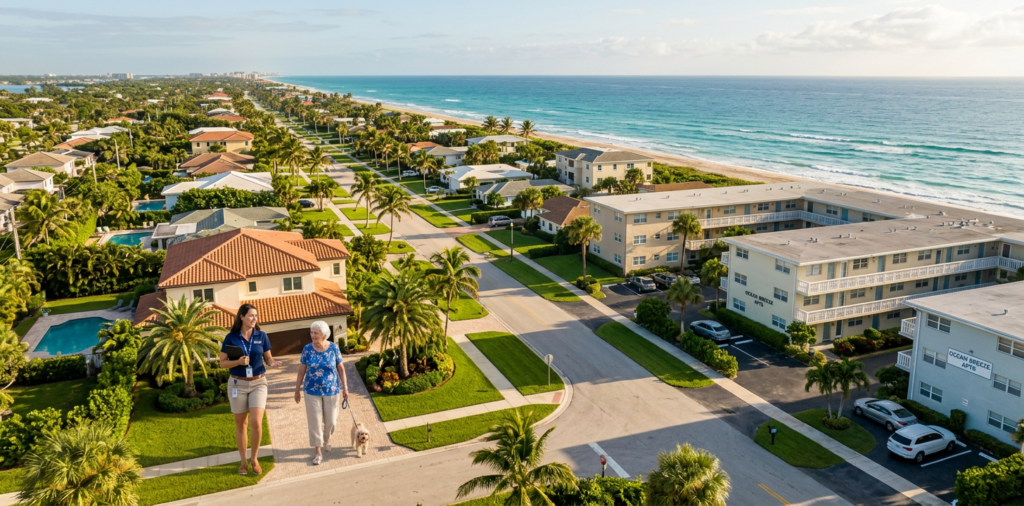
Owning a rental near the coast can look simple on a spreadsheet, but the daily reality is a mix of pricing decisions, tenant communication, maintenance coordination, compliance, and fast responses when something breaks. For owners in Palm Beach, Broward, and the Treasure Coast, rental property management south florida is less about collecting a monthly payment and more about protecting an asset through every season.
We see the same pressure points across West Palm Beach, Boynton Beach, Delray Beach, Fort Lauderdale, Port Saint Lucie, Fort Pierce, Lake Worth, and Riviera Beach. Investors need dependable reporting, accidental landlords need a clear process, and snowbirds need local eyes on the property when they are away. The right operating plan gives each owner visibility without pulling them into every minor decision.
What Strong Property Management Should Cover
A capable management approach connects leasing, maintenance, accounting, and resident experience. When any one piece is handled loosely, vacancy costs, avoidable repairs, and strained tenant relationships can follow.
| Management area | What owners should expect | Why it matters | Owner benefit |
|---|---|---|---|
| Leasing | Pricing, marketing, screening | Reduces vacancy risk | Better tenant fit |
| Maintenance | Clear approvals and vendors | Limits emergency costs | Asset protection |
| Accounting | Monthly statements and records | Tracks real performance | Cleaner decisions |
| Compliance | Lease and notice procedures | Reduces avoidable exposure | More confidence |
| Inspections | Documented property checks | Finds issues earlier | Fewer surprises |
The scale of the small-rental market makes process especially important. The U.S. Department of Housing and Urban Development reported that nearly 46 percent of U.S. rental units were in properties with four or fewer units, while only about 22 percent of those small properties were professionally managed. That leaves many individual owners balancing a business operation on top of a career, family obligations, or an out-of-state home.
Leasing Is More Than Posting an Ad
Good leasing starts with a property-specific rent analysis, not a guess based on a neighbor’s listing. We look at comparable homes, condition, location, lease length, seasonality, pet policies, HOA requirements, and the renter profile the property can realistically serve.
Then comes presentation. Professional photos, clear listing details, timely lead follow-up, consistent showing standards, and compliant screening build a stronger applicant pool. Filling a vacancy quickly matters, but placing a tenant without a consistent process can create a far more expensive problem later.
Maintenance Needs a Decision Framework
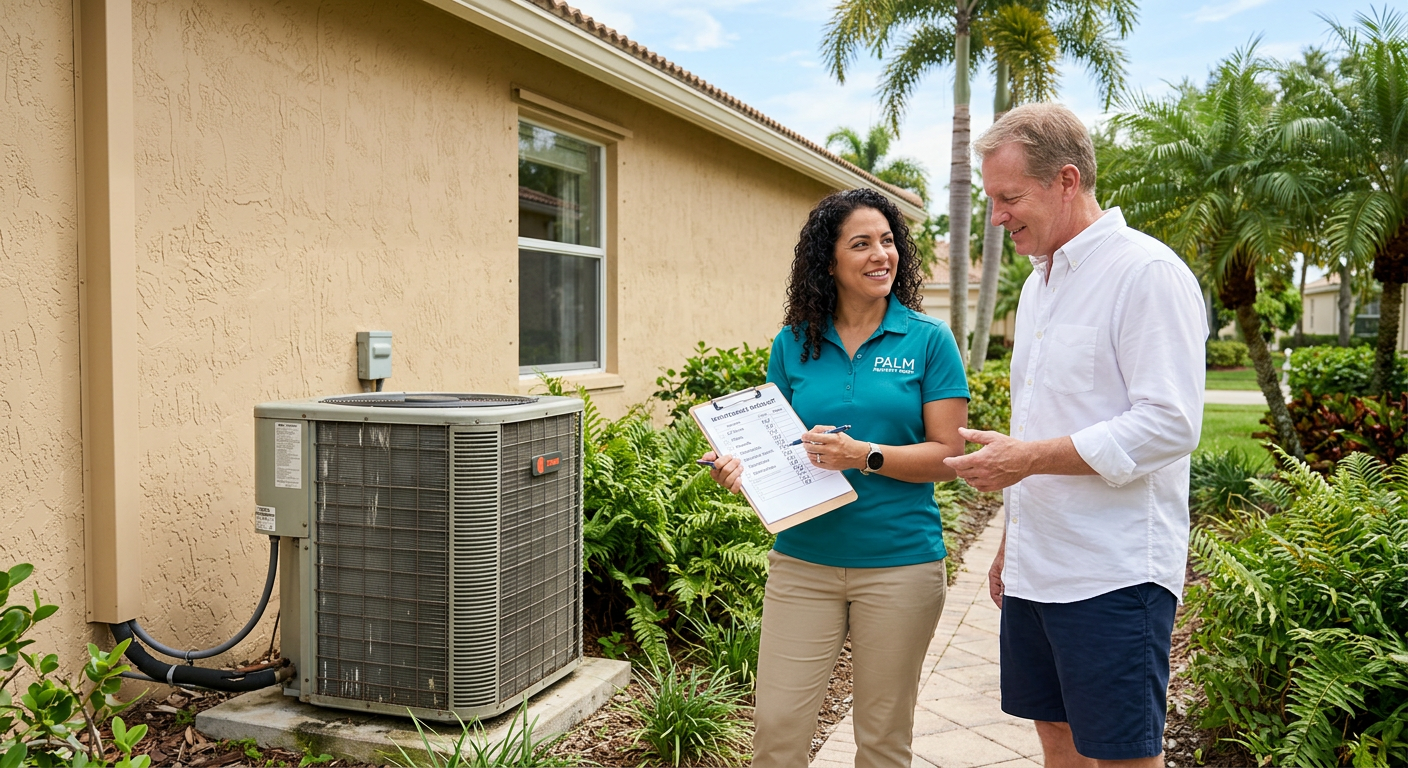
South Florida properties face humidity, salt air, heavy rain, air-conditioning demand, and storm exposure. A management plan should spell out who receives repair requests, what counts as an emergency, what spending level needs owner approval, and how invoices and photos are documented.
We recommend separating routine maintenance from capital improvements. Replacing a worn faucet is a routine operating item. Planning for a roof, HVAC replacement, exterior paint, impact protection, or major plumbing work belongs in a capital plan that protects cash flow and resale value.
Rental Property Management South Florida: Local Details That Change the Plan
A management model that works in another state may not fit a coastal Florida property. Here, we build around local conditions rather than applying a generic checklist.
Prepare for Weather Before It Becomes an Emergency
Hurricane preparation is not a one-day task. Before the season, owners should review insurance contacts, inspect roofs and drainage, test air-conditioning systems, trim trees, verify tenant communication details, and confirm who can access the property after a storm.
For a practical maintenance rhythm, our Florida rental property maintenance checklist breaks down the recurring inspections and preventative items that help owners catch problems early. A small leak or failed drain line can become a major issue fast in a humid climate.
Treat Compliance as a Routine System
Florida residential rental relationships are governed by Chapter 83, Part II of the Florida Statutes. The official Florida Legislature landlord-tenant statute index covers topics including deposits, landlord maintenance obligations, access, notices, termination, and prohibited practices.
We do not treat legal compliance as a template that gets filed away at move-in. Lease documentation, notice delivery, deposit handling, maintenance records, and communication logs should be maintained throughout the tenancy. For legal disputes or property-specific legal questions, owners should work with a qualified Florida attorney.
Match the Strategy to the Asset and Owner
A condo in Fort Lauderdale, a single-family home in Boynton Beach, and a small multifamily building in Fort Pierce should not be managed the same way. HOA rules, parking, pet restrictions, utility arrangements, turnover expectations, and local renter demand can all change the operating plan.
For example, a snowbird may care most about inspection photos and preventative maintenance while away. A private equity owner may prioritize operating reports, rent-roll accuracy, capex forecasting, and benchmarked performance. An accidental landlord may need help deciding whether a long-term lease, a sale, or a renovation delivers the better outcome.
Choosing Between Self-Management and a Professional Manager
Self-management can be a sensible choice for an owner who lives nearby, understands the property, has time to communicate with tenants, and can respond reliably when issues arise. The challenge is not whether an owner can perform the tasks. It is whether they can perform them consistently when life gets busy.
Professional management makes more sense when distance, portfolio size, travel, complex maintenance, or time constraints create gaps. It can also be valuable when you want clean financial records before refinancing, selling, adding units, or presenting performance to partners.
Compare Scope, Not Just the Monthly Fee
Management fees are only meaningful when you understand the full service scope. In West Palm Beach, HG Property Management publishes a full-service fee beginning at 8 percent of collected rent plus a leasing fee equal to one month’s rent. WPB Home Management lists a leasing fee of 75 percent of the first month’s rent and no lease-renewal fee.
Those examples show why we encourage owners to compare the complete fee schedule, not a headline percentage. Ask whether the company charges for leasing, renewals, inspections, onboarding, maintenance coordination, eviction support, vacant-property checks, portal access, or vendor markups. The best fit is the provider whose scope, responsiveness, local knowledge, and reporting standards match your property, not simply the lowest advertised rate.
Questions We Recommend Asking Before You Hire
- Who answers tenant maintenance calls after hours?
- How are repair approvals documented, and what is the spending threshold?
- How often will we receive owner statements, inspection reports, and updates?
- What screening criteria are applied consistently to every applicant?
- Which fees can appear beyond the monthly management fee?
- Who handles HOA coordination, city requirements, and vendor access?
- What is the termination process if the relationship is not working?
Clear answers are a good sign. Vague answers, unexplained fees, and promises that sound too perfect are reasons to keep interviewing.
A Better Operating Rhythm for Different South Florida Owners
We find that the most resilient rentals follow a simple cadence. It keeps the work organized and makes performance easier to measure.
For Investors and Small Portfolio Owners
Review occupancy, collected rent, delinquency, maintenance spending, lease expirations, and reserve balances monthly. Then review pricing, renewals, capital needs, insurance, and acquisition or disposition opportunities quarterly.
If you own multiple homes or units, the reporting should help you decide where to invest the next dollar. A property that remains occupied is not automatically performing well if repairs, concessions, or deferred maintenance are quietly eroding returns.
For Accidental Landlords
Start with an honest property assessment. Confirm the mortgage, tax, insurance, HOA, utilities, repair reserve, expected rent, and the time you can actually dedicate to the home.
Our guide on how to rent your house in South Florida helps owners work through pricing, screening, marketing, and cash-flow planning before the first listing goes live. A deliberate launch is usually less costly than rushing to fill the property.
For Snowbirds and Remote Owners
Remote ownership requires more than a phone number for a contractor. You need scheduled checks, documented maintenance, clear authority for emergencies, and a communication standard that keeps you informed without overwhelming you.
For additional planning ideas, see our guidance on managing a rental property from afar. The goal is not to remove the owner from decisions, it is to create an accountable local system.
Frequently Asked Questions
What does a property manager typically handle for a South Florida rental?
A full-service manager may handle rental pricing, marketing, tenant screening, lease coordination, rent collection, maintenance requests, vendor scheduling, inspections, owner reporting, and turnover planning. Exact services vary, so request the full scope in writing.
How often should a rental property be inspected?
The right schedule depends on the home, tenant, lease terms, and weather exposure. At minimum, we suggest a documented exterior and systems-focused review on a recurring schedule, plus inspections at move-in, move-out, and after major weather events when appropriate.
Can we manage a condo rental with HOA rules?
Yes, but HOA applications, lease minimums, tenant approvals, parking rules, pet restrictions, and building access requirements must be included in the leasing timeline. Owners should never assume an approved tenant can move in immediately.
Is a long-term or vacation rental better for our property?
It depends on zoning, HOA rules, insurance, location, furnishing costs, local demand, operating capacity, and your income goals. Vacation rentals may offer higher revenue potential but usually require more active operations, while long-term rentals can offer steadier occupancy and simpler turnover patterns.
How much should we keep in maintenance reserves?
There is no universal number because property age, systems, insurance deductibles, and condition vary. We recommend building a reserve that can handle routine repairs and a separate plan for larger capital expenses, rather than relying on monthly rent to cover every surprise.
What should we look for in monthly owner reporting?
Look for collected rent, deposits, management fees, maintenance invoices, reserve balance, unpaid tenant balances, lease dates, vacancy days, and clear notes on open issues. A useful report lets you understand performance without chasing down basic information.
Build a Management Plan Around Your Property
If you want local support for long-term rentals, vacation rental oversight, multifamily operations, asset management, or a future sale, Beaches Welcome Service can help us build a practical plan around your goals. We serve owners and investors across South Florida with a focus on clear communication, thoughtful oversight, and property-specific decisions.
The Bottom Line
Reliable rental ownership does not come from reacting quickly to every problem. It comes from setting rent with discipline, screening consistently, maintaining the home proactively, documenting decisions, and reviewing results often enough to make smart adjustments.
For rental property management south florida, the strongest approach reflects your property type, location, time horizon, and availability. Whether you own one home in Lake Worth or a growing portfolio across Palm Beach, Broward, and the Treasure Coast, a clear management system can protect both the income stream and the long-term value of the asset.

