Owning a short-term rental near the beach can look effortless from the outside. Behind every five-star stay, though, there is a practical operating system for compliance, pricing, cleaning, guest communication, maintenance, and local emergencies.
When we help owners think through how to manage a vacation rental fort lauderdale, we start with the details that protect the property first. A strong listing and attractive photos matter, but a missed registration, poor turnover, or delayed response to a noise complaint can cost far more than a few vacant nights.
Fort Lauderdale is also not a market where one generic playbook fits every home. A waterfront house, downtown condo, and family-friendly property near the airport can attract different guests, experience different seasonality, and face different building or neighborhood rules.
Build Your Operations Around Local Compliance
Before accepting a booking, confirm that your property can legally operate as a vacation rental. The City of Fort Lauderdale generally requires registration for residential vacation rentals offered for stays of 30 days or less, and operators must obtain applicable state and county approvals before applying with the city. Review the city’s Vacation Rental Program and its property registration requirements before you advertise.
The city lists a registration fee of $880 per folio, including the first inspection, plus a $100 fee for later safety inspections, reinspections, or no-show inspections. It also requires a noise-level detection device, with device data retained for 180 days and made available to the city upon request. Those requirements make compliance part of your daily operating plan, not an item to handle after the first guest arrives. (fortlauderdale.gov)
Create a compliance file for the home
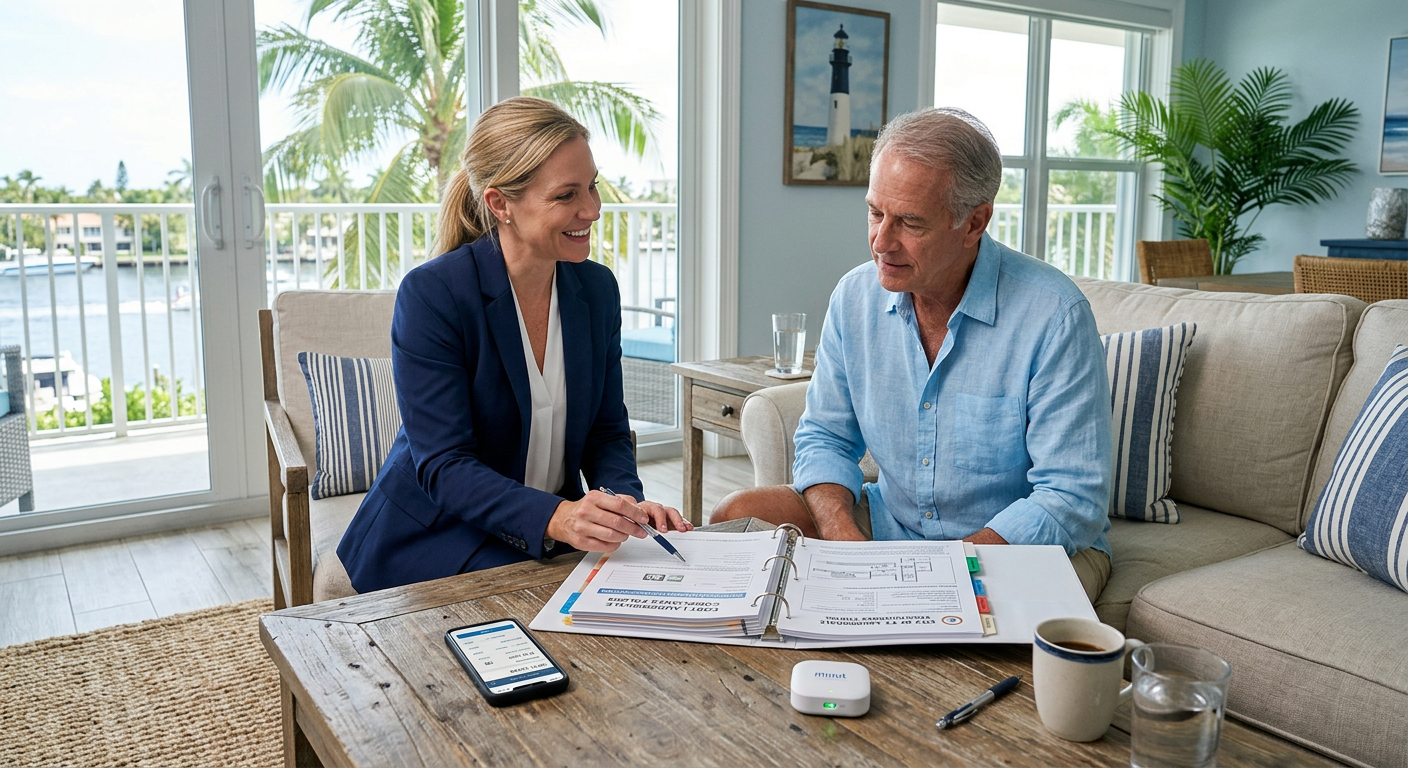
We recommend maintaining one secure digital folder that includes your state license, city registration, business-tax records, insurance policies, inspection reports, vendor certificates, guest agreement, parking diagram, and emergency contacts. Give your local responsible party access, then set calendar reminders well ahead of renewal dates.
Do not overlook condo and HOA rules. A city registration does not override a building’s rental restrictions, application process, minimum-stay policy, guest registration requirements, or amenity rules. Read the governing documents and get written clarification when anything is unclear.
Create a Guest Experience That Prevents Problems
A vacation rental succeeds when guests know what to expect before they arrive. That means your listing, house rules, guidebook, and automated messages should all tell the same story.
Write an accurate listing
Use professional photos, but make the property description equally useful. State the true bedroom and bathroom count, sleeping arrangement, parking limits, pool rules, pet policy, accessibility limitations, stair count, and distance to major attractions. Guests are much more likely to leave positive reviews when the home matches the promise.
For Fort Lauderdale properties, explain practical local considerations too. If street parking is prohibited, say so plainly. If the home is near a canal, pool, drawbridge, nightlife district, or airport flight path, set expectations before guests book.
Make house rules easy to follow
Long legal language gets ignored. Put the most important rules in short, direct statements in the booking message, rental agreement, welcome guide, and on-site signage where appropriate.
Focus on the rules that protect the home and neighborhood:
- Maximum occupancy and visitor limits
- Quiet hours and a no-party policy
- Parking instructions and towing risks
- Pool, dock, grill, and outdoor-safety rules
- Smoking and pet restrictions
- Check-in and checkout procedures
- What guests should do during a maintenance issue or storm alert
A good rulebook is not about sounding strict. It gives reasonable guests the information they need to enjoy the property without creating avoidable friction.
Price for Profit, Not Just Occupancy
Many owners make the mistake of setting one nightly rate and hoping the calendar fills. Fort Lauderdale demand shifts by neighborhood, season, events, weather, school breaks, conventions, and the amenities your home offers.
Start with a comp set of similar active rentals within a tight radius. Compare bedroom count, guest capacity, pool, water access, parking, design quality, review history, minimum stay, and cleaning fee. Then review performance every week, not just when a booking slows down.
Use a simple revenue rhythm
We recommend setting a base rate, a minimum acceptable rate, and a premium rate for high-demand dates. Increase prices when demand is strong, but protect your margins by accounting for cleaning, linen replacement, platform fees, supplies, utilities, insurance, maintenance, and management costs.
Shorter stays can create more revenue opportunities, but they also create more turnovers and more operational risk. Longer stays may reduce cleaning costs and calendar gaps. The best approach depends on your property, guest profile, and capacity to deliver consistent service.
For a deeper look at local rate strategy and listing performance, review our guide on maximizing vacation rental income in Fort Lauderdale.
Treat Turnovers Like a Hospitality System
The space between checkout and check-in is where many vacation rentals lose money. A rushed cleaning, missing towel, broken lock, or ignored leak can turn into a refund request and a poor review.
Use a repeatable turnover checklist
Your cleaner should not be guessing what “ready” means. Build a checklist for every turnover that covers cleaning, restocking, laundering, trash removal, damage documentation, appliance testing, outdoor areas, pool condition, Wi-Fi, remotes, smoke alarms, and door locks.
Ask for time-stamped photos after each turnover. We also suggest assigning a periodic quality-control inspection to someone other than the cleaner, especially after peak-season stays or when the owner lives out of state.
Stock for reliability
Keep a locked owner closet with replacement linens, towels, toiletries, batteries, lightbulbs, filters, basic tools, spare remotes, and backup kitchen items. A modest reserve of supplies reduces last-minute shopping trips and helps your team solve small issues before a guest notices them.
Build a Fast Maintenance and Storm Response Plan
Guests expect a quick answer, whether they cannot find the Wi-Fi password or the air conditioning stops cooling. The difference between a small service request and a costly claim is often the speed and quality of the response.
Maintain a vetted vendor list for HVAC, plumbing, electrical work, pest control, pool service, locksmiths, restoration, landscaping, and cleaning. Confirm who can respond after hours, who has keys or smart-lock access, and what spending limit they can approve without calling you.
Fort Lauderdale owners should also prepare for severe-weather disruptions. Keep a property inventory, document furnishings and upgrades, review insurance coverage annually, and create a written plan for shutters, outdoor furniture, pool equipment, guest communication, and post-storm inspections.
For snowbirds and remote investors, local oversight is especially valuable. Our article on managing a rental property from another state explains how to create the vendor, reporting, and inspection systems that make distance more manageable.
Track the Numbers That Actually Matter
Revenue is important, but gross bookings do not tell the whole story. We look at operating performance through a few simple measurements that show whether the property is becoming more efficient or simply busier.
Review these metrics monthly
- Occupancy rate and booked nights
- Average daily rate
- Revenue per available night
- Cleaning and maintenance cost per stay
- Guest-review trends and recurring complaints
- Booking lead time and cancellation rate
- Utility spending and supply costs
- Net operating income after direct expenses
If your occupancy is high but your net income is flat, the home may be underpriced or carrying too many expenses. If your rate is strong but bookings are weak, review listing quality, minimum stays, guest reviews, and comparable inventory before reducing prices across the board.
A professional Fort Lauderdale property management plan can also help owners connect daily guest operations with larger investment goals, including future renovations, refinancing, portfolio growth, or a potential sale.
Frequently Asked Questions
Do we need a license for a Fort Lauderdale vacation rental?
Most homes advertised for transient stays require applicable state licensing and city registration. The exact requirements depend on the property type and how it is offered, so review official state, county, city, and association requirements before listing the home.
How long can guests stay in a vacation rental?
Fort Lauderdale’s vacation-rental program applies to properties offered for stays of 30 days or less. If you plan to offer mid-term or long-term rentals, your operating rules, lease structure, pricing, and compliance needs may differ.
Should we allow one-night stays?
Usually, only if your operational capacity supports frequent cleaning, inspections, guest messaging, and maintenance. One-night stays can lift occupancy, but they can also increase costs, wear, and neighborhood concerns.
How do we handle noise complaints?
Respond promptly, document the event, contact the guest, and escalate according to your written house rules. A local responsible party, clear quiet hours, and compliant noise monitoring can help you address issues before they become formal violations.
Can we manage the rental from another state?
Yes, but remote owners need a trusted local team, strong vendor relationships, clear spending authority, automated guest communications, and regular property inspections. Remote management works best when it is system-driven rather than dependent on reacting to every issue.
What is the biggest management mistake owners make?
Treating the home like passive income. Vacation rentals are hospitality businesses with real compliance, customer-service, and property-care demands. The owners who do best build systems before their first busy weekend.
Put Local Support Behind Your Rental Strategy
If you own a Fort Lauderdale vacation rental and want a more organized approach, Beaches Welcome Service can help with guest coordination, turnover oversight, maintenance, pricing strategy, reporting, and property management across South Florida. We work with investors, snowbirds, accidental landlords, and owners who want reliable local support without losing visibility into their property.
A Better Way to Run Your Fort Lauderdale Rental
Learning how to manage a vacation rental Fort Lauderdale comes down to protecting the home, respecting the neighborhood, and creating a dependable guest experience. Compliance, pricing, turnovers, vendor response, and financial reporting all work together, and a weakness in one area can undermine the rest.
When we build the right operating system, the property becomes easier to manage and easier for guests to enjoy. That is how we protect both short-term revenue and long-term value in a competitive South Florida market.