

Investor Friendly Real Estate Agent Lake Worth: What to Expect
Buying an investment property requires more than finding a home with attractive photos and a promising asking price. We need to understand the income potential, operating risks, local rules, repair exposure, financing constraints, and exit options before we recommend an offer.
A strong investor friendly real estate agent Lake Worth buyers can rely on approaches each property as a business decision. That means we look beyond sales comparables and help clients assess rent potential, condition, licensing requirements, tenant appeal, insurance considerations, and the practical plan after closing.
Lake Worth Beach has a meaningful renter presence. The U.S. Census Bureau reports that 45.9% of housing units were owner-occupied from 2020 through 2024, which means investors should take rental demand, property operations, and neighborhood fit seriously rather than treating them as an afterthought.
What Makes an Agent Investor-Friendly
An investor-focused agent helps us make a disciplined decision, not simply win a bidding contest. The right partner asks how the property will perform after the closing date and organizes the due diligence needed to answer that question.
| What We Evaluate | Standard Home Purchase Focus | Investor-Focused Approach |
|---|---|---|
| Pricing | Recent sales | Sales, rents, costs, and upside |
| Property condition | Visible repairs | Deferred maintenance and capital needs |
| Location | Lifestyle fit | Tenant demand and resale liquidity |
| Offer terms | Price and closing date | Inspection leverage and risk allocation |
| Exit plan | Future resale | Hold, refinance, renovate, or sell |
An investor-friendly agent should be comfortable discussing the difference between gross rent and actual cash flow. We do not treat a projected rent figure as proof of performance. Instead, we examine likely vacancy, taxes, insurance, HOA obligations, utilities, maintenance reserves, management expenses, and the work required to make the home rent-ready.
We also help clients make a clear distinction between a home that is inexpensive and a home that is investable. A lower price can be attractive, but it may reflect a costly roof, aging HVAC, unpermitted work, difficult HOA restrictions, a weak tenant profile, or limited resale demand.
Why Lake Worth Requires Property-Specific Analysis
Lake Worth can offer varied housing stock and several investment paths, but each neighborhood and property type needs its own underwriting. A duplex near a strong employment corridor has a different operating profile than a condo with rental restrictions or a single-family home needing major systems work.
Florida investor activity remains material, even if it is not overwhelming the market. A 2026 Florida Realtors analysis found that investment-property loans accounted for 10.82% of Florida purchase originations in 2025. That is why we expect competition for homes with rental potential, especially when pricing, location, and condition align.

Rental Potential Must Be Supported by Evidence
We start with comparable rentals that match the property as closely as possible in location, bed and bath count, condition, parking, outdoor space, and lease terms. A renovated home with impact windows, updated systems, and a fenced yard should not be valued like a dated property several blocks away simply because the bedroom count matches.
For clients considering two to four units, our review should include current leases, deposits, payment history, utility responsibilities, occupancy, and any deferred maintenance. Our resource on evaluating multifamily homes in Lake Worth explains why rent history and repair exposure must be reviewed together.
Licensing and Compliance Belong in Due Diligence
A rental strategy cannot be separated from local compliance. The City of Lake Worth Beach states that residential rentals within city limits require a business or rental license and an approved use and occupancy inspection, with inspections due every three years. Review the city’s rental licensing and code compliance requirements before assuming a property is ready to lease.
For long-term rentals, we also encourage owners to understand the applicable parts of the Florida Residential Landlord and Tenant Act. A real estate agent is not a substitute for a real estate attorney, but an investor-minded agent should recognize when lease rules, disclosures, association documents, or a tenant-occupied purchase need legal review.
Build a Repeatable 90-Day Acquisition Process
The most durable investment decisions follow a repeatable system. Rather than chasing every listing, we help clients use a defined 90-day process that turns a broad Lake Worth property hunt into a measured acquisition plan.
Days 1 Through 30: Define the Buy Box
We begin by setting the investment criteria in writing. That includes price range, target property type, minimum cash-flow expectations, renovation tolerance, financing method, preferred hold period, and the locations where we are willing to compete.
For example, a snowbird who wants a future personal-use option may prioritize a well-maintained single-family home with simple operations. A private equity buyer may prioritize scalable unit count, clean rent rolls, consistent reporting, and a clear value-add path. Those are different buy boxes, so they should not use the same screening process.
Days 31 Through 60: Underwrite and Inspect Quickly
Once a property matches the buy box, we move from general interest to evidence. We review comparable rents, recent sales, property taxes, insurance estimates, association rules, permits, visible condition, and a preliminary capital plan before presenting a serious offer.
The inspection period is where assumptions become facts. We want a clear picture of roofs, HVAC systems, plumbing, electrical panels, windows, drainage, appliances, and signs of water intrusion. If the property is occupied, we also need to assess access, lease terms, tenant records, and the practical timeline for any repairs or repositioning.
Days 61 Through 90: Prepare the Operating Plan
Closing is only the transition from acquisition to execution. Before the deal closes, we should know who will manage the property, how maintenance approvals will work, where reserves will sit, when renovations will occur, and what the first lease or renewal plan looks like.
For owners who do not plan to self-manage, our South Florida rental management planning guide outlines the operational pieces that should be ready before the first tenant issue arrives. This preparation protects both the asset and the owner’s time.
Questions We Ask Before Recommending an Offer
The best offers are built on questions that reveal risk early. We use these conversations to test whether the property fits the strategy, rather than trying to force the strategy to fit the property.
- What is the realistic market rent after accounting for the property’s actual condition?
- Which repairs are immediate, and which belong in a longer-term capital plan?
- Are there HOA, condo, zoning, licensing, or occupancy rules that affect the intended use?
- Does the projected income still work after taxes, insurance, maintenance, vacancy, and management?
- Is the property easy to finance, insure, lease, and eventually resell?
- If the plan changes, can we hold, improve, refinance, or sell without creating unnecessary pressure?
These questions matter just as much for accidental landlords and residential sellers as they do for seasoned investors. A seller with a tenant in place, for example, may need a different pricing and marketing plan than an owner selling a vacant, renovated home. We can help position the asset around the buyer pool most likely to understand its value.
When an Investor Agent Creates the Most Value
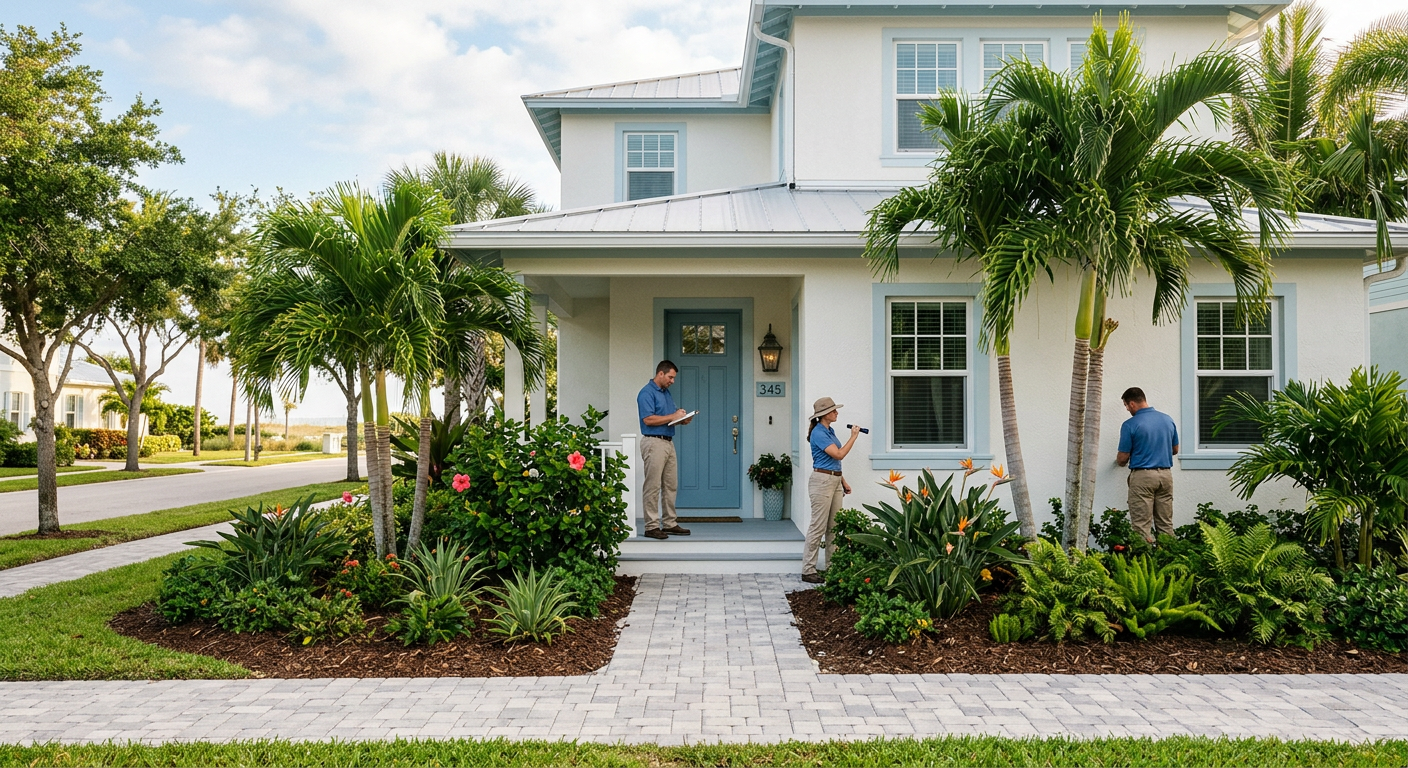
Investor-focused representation is most valuable when decisions involve more than purchase price. We add the most value when a property has income potential, operational complexity, a tenant in place, renovation needs, or a decision point between renting and selling.
For First-Time Investors
We help first-time buyers avoid building a plan around optimistic rent and underestimated repairs. The goal is a property that fits the client’s available cash, risk tolerance, and capacity to own it through normal vacancies and maintenance events.
For Accidental Landlords and Snowbirds
We help owners compare keeping the property as a rental against selling it. This means reviewing likely net rent, capital needs, management costs, personal-use needs, and the level of involvement the owner actually wants.
For Portfolio Owners and Private Equity
We focus on consistency, reporting, and scalability. A portfolio acquisition needs clear assumptions for rents, expenses, capital projects, operational staffing, and eventual disposition, not just an attractive acquisition price. Our asset management services can support owners who need ongoing oversight after acquisition.
Frequently Asked Questions
Do we need an investor-focused agent for one rental property?
Yes, one rental property can benefit from investor-focused representation. A single missed issue involving insurance, association restrictions, permitting, or major repairs can materially change the return on a smaller investment.
Can we buy a Lake Worth property with a tenant already in place?
Yes, but we should review the lease, deposit records, payment history, property condition, and access rights before moving forward. Existing tenancy can provide immediate income, but it can also limit renovation timing or affect the transition plan.
Should we choose a single-family rental or a duplex?
The better fit depends on your financing, management preference, capital reserves, and risk tolerance. A duplex can diversify income across two units, while a single-family home may offer a simpler operating model and a larger future resale audience.
How much should we reserve for repairs after closing?
The right reserve depends on the property’s age, condition, systems, deductible, and renovation plan. We recommend separating routine maintenance reserves from larger capital items such as roofs, HVAC replacements, plumbing work, and exterior improvements.
Can we use projected rent to qualify for financing?
Some loan programs consider rental income, but requirements differ by lender, property type, and borrower profile. Speak with a qualified lender early so your acquisition criteria reflect what you can actually finance.
What if we decide the property is better to sell than rent?
That can be the right decision when expected income does not justify the operating risk, needed repairs, or time commitment. We can assess both paths using realistic sale proceeds and rental ownership costs, then help you choose the option that better supports your goals.
Talk Through Your Lake Worth Investment Plan
If you are buying, selling, inheriting, or repositioning property in Lake Worth, we can help you review the numbers and map the next steps. Visit Beaches Welcome Service to discuss real estate sales, long-term rental management, multifamily operations, and asset oversight built around your property goals.
A Better Purchase Starts With Better Questions
An investor-friendly real estate agent does more than open doors and submit paperwork. We help connect the purchase decision to the rent, repairs, compliance, operations, and exit plan that will shape the property’s real performance.
For Lake Worth investors, the strongest opportunities are not always the listings with the lowest asking price or the highest advertised rent. They are the properties that still make sense after we test the assumptions, plan for the work, and choose an ownership strategy that fits the investor behind the deal.

