

Accidental Landlord Help Delray Beach: A Practical Owner Plan
A job transfer, inheritance, divorce, or change in plans can turn a Delray Beach home into a rental sooner than expected. The opportunity can be valuable, but the responsibility is real: you are suddenly making decisions about pricing, leases, deposits, repairs, tenant communication, insurance, and the long-term future of a major asset.
That is where accidental landlord help Delray Beach owners can actually use begins. We believe the goal is not to become a full-time property manager overnight. It is to create a documented operating plan that protects the home, treats residents fairly, and gives you enough visibility to decide whether renting, holding, or selling best supports your goals.
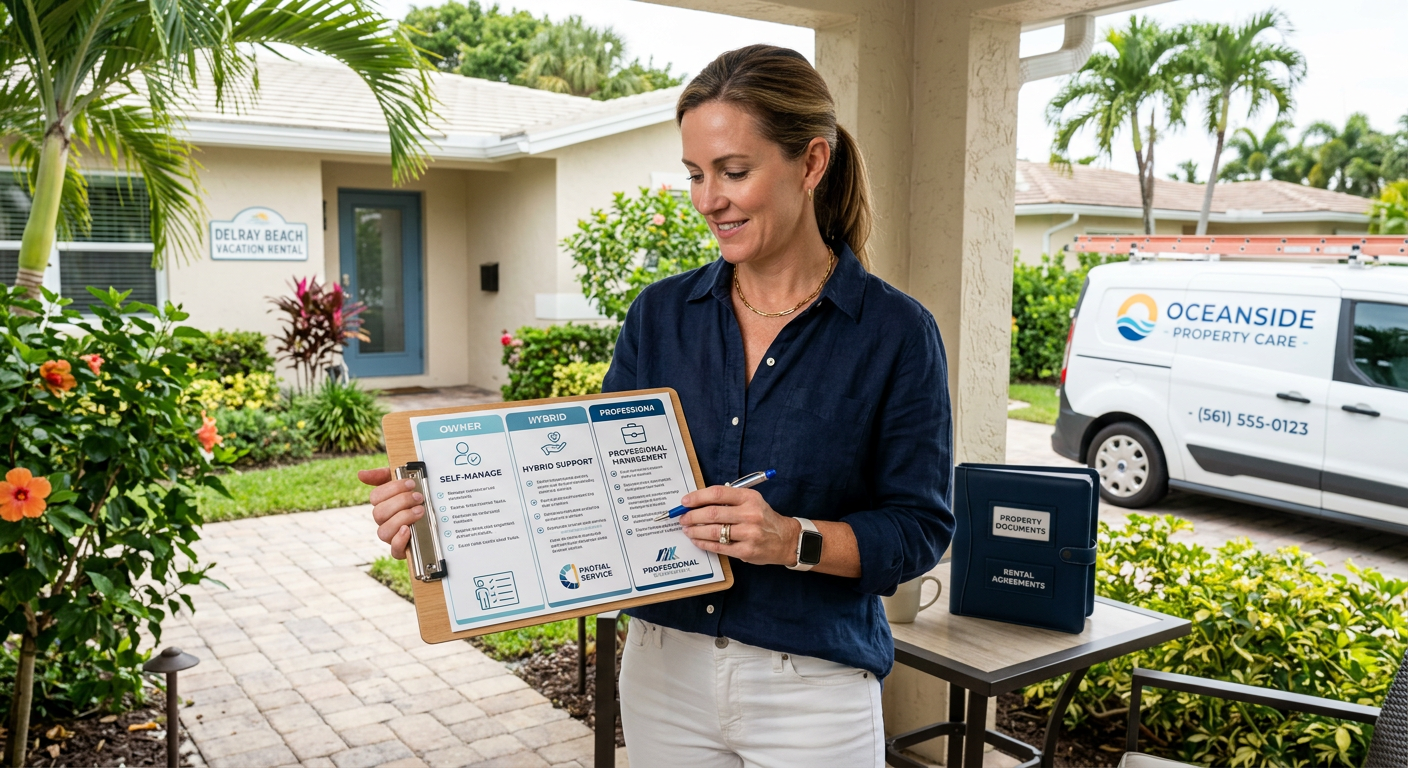
Choose the Right Management Path Before You Advertise
The first decision is not the rent amount. It is deciding who will run the day-to-day operation and how much time, availability, and local knowledge you can realistically provide.
| Management path | Best fit | Your time commitment | Main tradeoff |
|---|---|---|---|
| Self-management | Local, hands-on owner | High | You handle every issue |
| Hybrid support | Owner with trusted local vendors | Moderate | Requires strong systems |
| Full-service management | Remote owners and busy professionals | Low | Ongoing management cost |
| Sell instead of rent | Owners needing liquidity or simplicity | Limited | You give up future rental income |
Self-management can work well if you live nearby, can respond consistently, and are comfortable maintaining records. It becomes harder for snowbirds, inherited-property owners, and professionals who cannot take a maintenance call during the workday.
A hybrid model can be a practical middle ground. You retain approval authority while a local team handles leasing, resident communication, inspections, repairs, and reporting. Before choosing any path, define who answers after-hours calls, who approves repairs, where lease records live, and how often you will review performance.
For a deeper first-week checklist, review our practical guidance for new accidental landlords in Delray Beach. (beacheswelcomeservice.com)
Build Your Rental Plan Around the Property, Not Guesswork
Delray Beach is not one uniform rental market. A downtown condominium, east-of-95 townhome, gated single-family property, and inherited duplex can each attract different residents, carry different maintenance exposures, and face different association rules.
Start with realistic rent positioning
Look at comparable homes that match the property on location, bedroom count, condition, parking, pet policy, outdoor space, and lease length. Avoid setting rent based only on a neighbor's asking price or an old online estimate. An overpriced listing can sit vacant, while an underpriced one may attract volume without improving resident quality.
We suggest setting a target rent, a minimum acceptable rent, and a review date. If the home has not generated qualified interest by that review date, adjust the marketing, condition, terms, or price based on evidence rather than frustration.
Review association and municipal requirements
If the home is in a condominium or homeowners association, read the governing documents before advertising. Confirm lease-length rules, tenant application steps, move-in procedures, pet restrictions, parking limits, and rental caps if applicable.
This small step prevents a painful scenario: signing a lease first, then discovering an association approval rule that slows or blocks occupancy. Keep the final association approval, lease, addenda, and resident contact information in one secure file.
Prepare the home for durable occupancy
A clean home is important, but a rent-ready home goes further. Test smoke alarms, service HVAC equipment, inspect plumbing fixtures, document appliance condition, address trip hazards, and photograph every room before move-in.
In South Florida, water intrusion, drainage, air-conditioning performance, and storm preparation deserve extra attention. Routine inspections and early repair decisions are often less expensive than emergency repairs after a small issue becomes extensive damage.
Put Compliance and Documentation at the Center
Many first-time rental owners focus on finding a tenant and overlook the paperwork that protects both sides. A written lease, consistent procedures, and a reliable record trail reduce ambiguity when something goes wrong.
Treat deposits as a deadline-driven process
Florida's residential tenancy law sets specific requirements for how security deposits are held and handled. After a tenancy ends, the statute generally provides 15 days to return a deposit when no claim is being made, or 30 days to provide written notice of an intended claim when applicable. Review the current statutory language and obtain legal guidance for property-specific questions. (leg.state.fl.us)
The operational lesson is simple: do not wait until move-out to organize your records. Keep the move-in condition report, dated photographs, invoices, resident communications, and forwarding address together. If a disagreement arises, clear documentation is more useful than memory.
Include flood disclosure in your leasing workflow
For Florida residential rental agreements of one year or longer, landlords must provide a separate flood disclosure to prospective tenants at or before lease execution. The requirement took effect on October 1, 2025, and it is particularly relevant for coastal and flood-prone areas of South Florida. (flhouse.gov)
Do not treat this as a last-minute form. Add it to your standard lease packet and retain a signed copy. We also recommend reviewing your own insurance coverage with a qualified insurance professional, because a tenant's renters policy and an owner's property coverage serve different purposes.
Screen consistently and fairly
A strong screening process should be written before the first inquiry arrives. Use the same published rental criteria for every applicant, verify identity and income through appropriate methods, conduct permitted background and credit checks, and document your decisions consistently.
The best tenant screening process is not the harshest one. It is a lawful, repeatable process that helps you assess ability to pay, rental history, and fit with the stated lease terms without improvising standards from applicant to applicant.
Create a Maintenance System That Protects Cash Flow
The most common accidental-landlord mistake is responding to repairs one text message at a time. That approach may feel personal, but it creates missed messages, unclear approvals, and weak records.
Use one maintenance channel for all non-emergency requests. Residents should know what qualifies as an emergency, how to report it, what information to include, and when they can expect an update. You should know who is authorized to enter, which vendors are insured, and what spending level requires your approval.
Keep a reserve instead of relying on optimism
Every rental property needs a cash reserve for repairs, turnover, insurance deductibles, and unexpected vacancy. The amount will vary by property age, condition, debt structure, and your risk tolerance, but the principle stays the same: rental income is not the same as spendable income.
Monthly reporting makes this clearer. Review collected rent, unpaid balances, repair expenses, upcoming renewals, reserve balance, and any capital items that could affect the next quarter. That discipline helps an owner see whether the rental is producing dependable income or quietly consuming capital.
Remote owners can use the same framework with more frequent communication and documented inspections. Our guide to managing a rental property from afar explains how defined responsibilities, local vendors, and regular reporting can reduce the stress of owning from another city or state. (beacheswelcomeservice.com)
Know When Rental Management Is Worth It
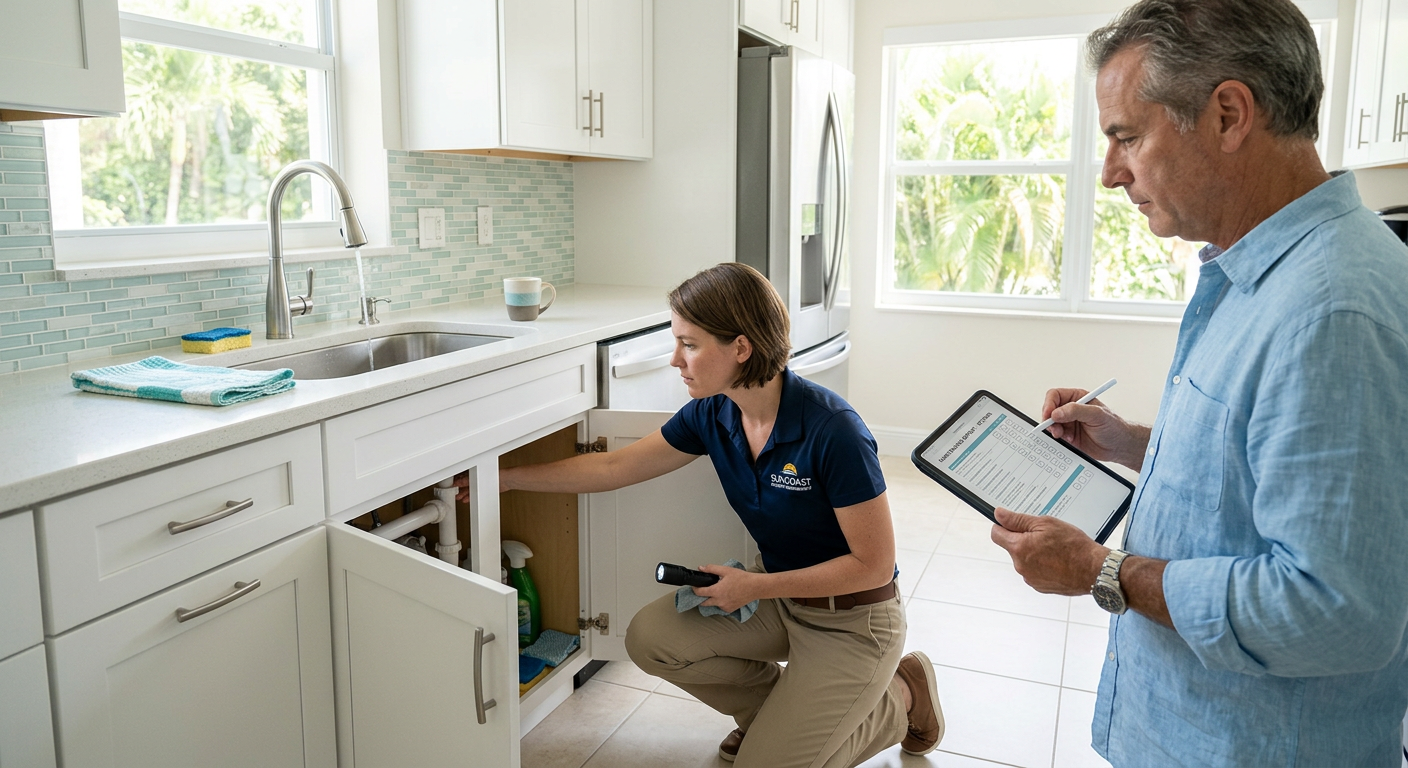
Professional support is not only for large apartment buildings. It can make sense when the asset is remote, when you own several homes, when resident issues interrupt your work, or when you need better reporting for a lender, partner, estate, or portfolio review.
Ask potential managers direct questions. Who performs showings? How are repair approvals handled? What reports will you receive? How are leases renewed? Are inspections included? Which charges are separate from the monthly management fee? The answers should be specific and documented, not vague promises about being responsive.
We also encourage owners to compare the cost of management with the cost of vacancy, rushed tenant placement, missed compliance steps, and delayed repairs. For a useful comparison framework, see our guide to Delray Beach property management fees. (beacheswelcomeservice.com)
Common Questions From Delray Beach Accidental Landlords
Should we rent the home furnished or unfurnished?
The answer depends on the property, target resident, lease length, and your willingness to maintain furnishings. Long-term unfurnished rentals often simplify turnover, while furnished options can fit certain seasonal or relocation situations. Check association rules and make sure the lease clearly identifies what stays with the property.
Can we manage a Delray Beach rental while living out of state?
Yes, but distance makes systems more important. We recommend a dependable local vendor network, a clear repair-approval policy, documented inspections, digital records, and a defined communication schedule. If those pieces are missing, local management support may be more cost-effective than reacting from afar.
How much should we keep in a repair reserve?
There is no universal number. Consider the home's age, roof and HVAC condition, insurance deductible, expected turnover work, and whether you rely on rental income to cover debt service. A reserve should be enough to absorb a meaningful repair without forcing a rushed financial decision.
What should be included in a move-in inspection?
Document the condition of floors, walls, appliances, windows, plumbing fixtures, exterior areas, keys, remotes, and safety devices. Use date-stamped photos and have the resident acknowledge the report. The goal is clarity, not confrontation.
Do we need a written lease in Florida?
Florida recognizes rental agreements in more than one form, but a written lease is far easier to administer and enforce because it records the parties' agreed responsibilities. The Florida Department of Agriculture and Consumer Services also emphasizes retaining copies of landlord-tenant communications. (fdacs.gov)
When should we consider selling instead of renting?
Consider a sale when the likely rent does not adequately support the carrying costs and reserves, when the home needs major capital work, when you need liquidity, or when ownership no longer fits your lifestyle or investment plan. Review the numbers with qualified real estate, tax, and legal professionals before deciding.
Get a Clear Plan for Your Rental Property
If you need practical support with leasing, resident communication, maintenance coordination, reporting, long-term rental management, or a rent-versus-sell decision, Beaches Welcome Service can help you evaluate the property and build a management plan around your goals. We work with accidental landlords, snowbirds, investors, and portfolio owners throughout Delray Beach and South Florida.
The Bottom Line for Delray Beach Owners
Owning an unplanned rental does not have to mean operating in crisis mode. With realistic rent positioning, documented leasing procedures, consistent screening, a maintenance reserve, and reliable local support, you can turn an unexpected responsibility into a well-managed asset.
The strongest results usually come from treating the home like a business from day one, while still making thoughtful decisions about the people who live there. Whether you keep the property for long-term income or eventually sell, a clear operating plan gives you more control, better records, and far fewer surprises.

