
Accidental Landlord Solutions in Delray Beach That Work
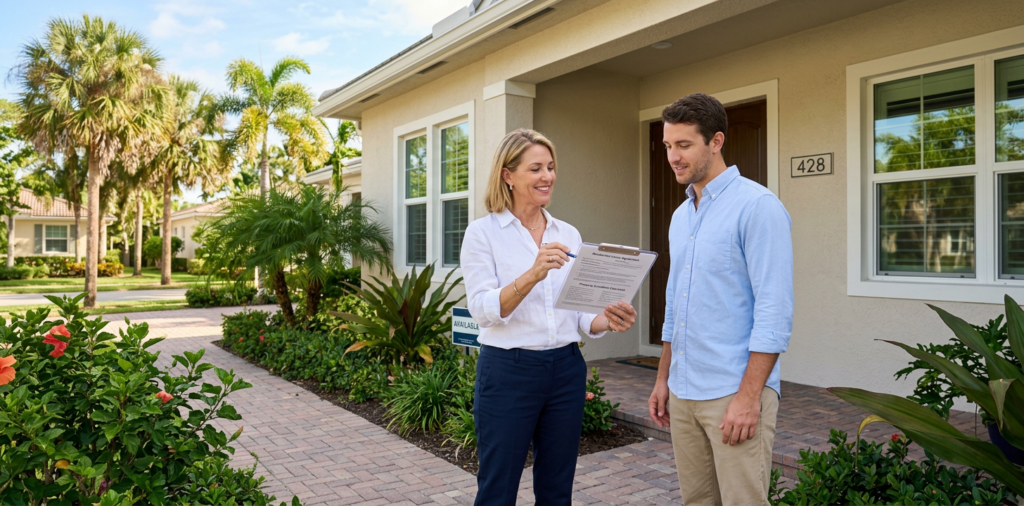
An unexpected rental property can become a valuable asset, but only if we replace rushed decisions with a clear operating plan. For homeowners who inherited a home, relocated, changed family plans, or held onto a former primary residence, accidental landlord solutions Delray Beach owners can rely on start with realistic pricing, documented responsibilities, and a decision about how hands-on we truly want to be.
Delray Beach is not a market where an owner can simply post a listing, choose the highest applicant, and hope for the best. Association rules, seasonal demand, maintenance exposure, insurance costs, and resident expectations all affect the result. The goal is to protect the property while building income that is predictable enough to support a future hold-or-sell decision.
Start With the Right Rental Model
The best rental model is the one that matches the property, the owner’s availability, and the likely holding period. Before advertising, decide whether a long-term lease, a seasonal arrangement, or a sale better fits the home and your financial goals.
| Management Path | Best Fit | Owner Time | Main Tradeoff |
|---|---|---|---|
| Self-management | Local, experienced owners | High | More responsibility |
| Hybrid support | Owners who want approval control | Moderate | Requires clear roles |
| Full-service management | Remote owners and busy investors | Low | Management fees |
| Sell instead of rent | Short holding periods or weak cash flow | Low | Gives up future income |
For many accidental landlords, a long-term lease offers the clearest path to stable monthly income. It reduces turnover compared with frequent short stays and creates a more predictable maintenance rhythm. A short-term or seasonal strategy can work for certain properties, but it also requires more intensive guest communication, turnover coordination, and local compliance.
Before committing, review the mortgage payment, property taxes, insurance, association dues, expected repairs, vacancy allowance, and management costs. If projected rent only barely covers those obligations, the property may need a different strategy. Our article on renting out a home in Delray Beach offers additional context for comparing long-term and vacation-rental paths.
Price for Qualified Demand, Not for a Perfect Number
A well-positioned rental attracts stronger applicants faster than an overpriced home that sits on the market. We recommend setting rent from current comparable listings and recent leasing activity, not from a neighbor’s asking price or an outdated online estimate.
The wider West Palm Beach, Boca Raton, and Delray Beach rental market was considered balanced in a 2025 U.S. Department of Housing and Urban Development market analysis. The report estimated an overall rental vacancy rate of 6.8 percent and an average apartment asking rent of $2,501 in the fourth quarter of 2024. That does not set the rent for a specific Delray Beach home, but it does reinforce an important point: owners need a competitive position, not an optimistic one.
Build a true comparable set
Use properties that match the rental on the details residents actually value:
- Neighborhood and proximity to downtown, beaches, schools, or major routes
- Property type, bedroom count, baths, square footage, and parking
- Condition, appliances, outdoor space, pool care, and pet policy
- Furnished or unfurnished setup
- Lease length and utilities included
- Association restrictions that affect occupancy or applications
A clean, well-photographed property with a realistic rent target can often outperform a higher-priced home that needs obvious repairs. We also recommend deciding in advance how long a listing can remain active before you reassess price, condition, photos, or lease terms.
Treat Compliance and Documentation as Core Asset Protection
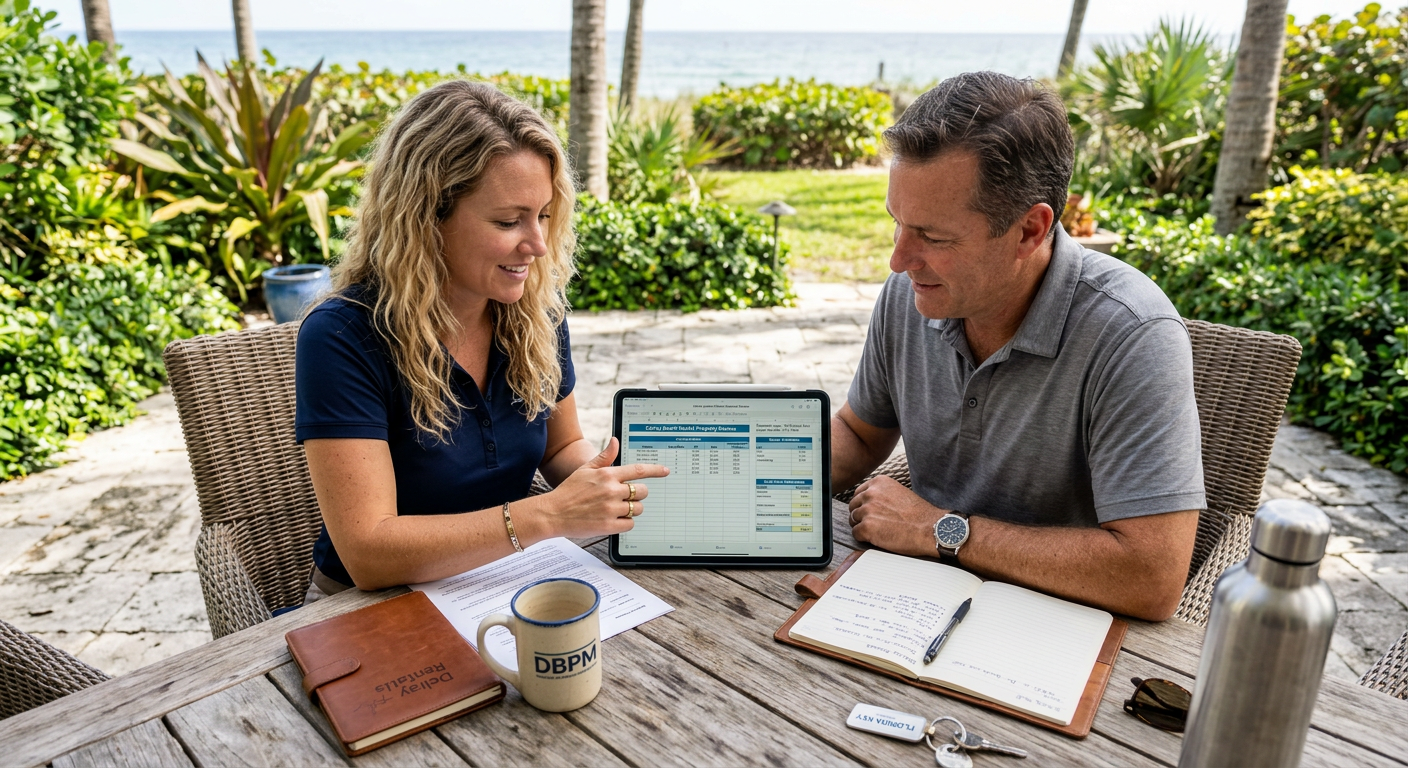
Reliable records are one of the most effective accidental landlord solutions Delray Beach owners can put in place. A written system helps us respond consistently, protect residents fairly, and make decisions with facts instead of memory.
Florida residential tenancy rules cover subjects such as security deposits, notices, landlord maintenance obligations, and lease provisions. Under Florida Statute 83.49, landlords must follow specific rules for holding deposit money or advance rent. Florida Statute 83.51 also outlines maintenance responsibilities, including compliance with applicable codes and keeping core structural and plumbing components in workable condition.
This is practical business guidance, not legal advice. For a complicated dispute, association restriction, estate-owned property, or eviction matter, work with a qualified Florida attorney.
Create a file before the first showing
Your operating file should include:
- HOA or condominium rental rules and approval timelines
- Insurance documents showing landlord-appropriate coverage
- Property condition photos and a detailed move-in checklist
- A written resident screening standard applied consistently
- The lease, addenda, pet terms, and maintenance procedures
- Deposit records, receipts, notices, and rent-payment history
- Vendor contacts, insurance certificates, and approval limits
This structure matters most when something goes wrong. A water heater leak, disputed repair, late rent issue, or move-out claim becomes easier to manage when every decision has a written trail.
Build a Maintenance System Before a Resident Moves In
Preventive maintenance is less disruptive and usually less expensive than waiting for an urgent call. We recommend treating repairs as a planned operating cost, not a surprise that gets handled only when a resident is frustrated.
Start with a property readiness inspection. Check HVAC performance, filters, plumbing fixtures, water shutoffs, roof or ceiling stains, smoke and carbon-monoxide devices where applicable, windows, locks, appliances, irrigation, landscaping, and pool equipment. In South Florida, moisture control and air-conditioning reliability deserve particular attention.
Set clear emergency and approval rules
Residents should know how to report a maintenance issue, what details to provide, and what qualifies as an emergency. Owners should know which vendor receives the call, what spending amount needs approval, and how repairs will be documented afterward.
For example, a running toilet may be an urgent repair but not necessarily an overnight emergency. A major active leak, loss of essential cooling during extreme conditions, or an electrical hazard requires a faster response. Clear guidelines protect both the resident experience and the owner’s budget.
Remote ownership requires another layer of discipline. If you live outside Palm Beach County or only spend part of the year in Florida, use a local point of contact, periodic inspections, photo documentation, and a dedicated maintenance channel. Our resource on managing rental property from afar explains how owners can maintain visibility without trying to manage every detail from another state.
Choose Residents With a Repeatable Screening Process
Consistent screening helps reduce avoidable problems, but it must be built around lawful, written criteria. We recommend evaluating every completed application through the same process rather than improvising standards based on a conversation or first impression.
Verify identity, income, employment or other reliable income sources, rental history, and the applicant’s ability to meet the stated lease terms. Follow fair housing requirements, keep records, and obtain appropriate authorization for reports or checks. If an applicant does not meet the published criteria, document the decision and communicate professionally.
A strong placement process also starts with a better listing. Honest photos, clear pet terms, accurate fees, association requirements, and a complete description of the property reduce misunderstandings before an application arrives. For a more detailed prevention-focused approach, read our guidance on handling difficult tenant situations in South Florida.
Use a 30-60-90 Day Owner Plan
A phased plan makes a new rental feel manageable. Instead of trying to solve every question in the first weekend, focus on the decisions that protect the asset first.
Days 1 Through 30: Prepare the Asset
Confirm the rental strategy, association permissions, insurance, property condition, reserve amount, and management approach. Complete repairs, secure documents, set screening standards, and prepare professional marketing.
Days 31 Through 60: Lease With Structure
Review applications consistently, complete lease and deposit procedures, document the move-in condition, and give residents a written maintenance and communication process. Schedule the first routine follow-up before the property fades from everyone’s attention.
Days 61 Through 90: Measure the Results
Review collected rent, unpaid balances, repair costs, vendor performance, resident communication, and reserves. Then ask a simple question: is this property producing the income, control, and long-term value we expected?
That recurring review is especially useful for owners deciding between holding, refinancing, improving, or selling. A rental should be evaluated as an asset, not just as a former home with emotional ties.
Get Local Help Without Giving Up Visibility
Professional management is often worthwhile when an owner cannot respond quickly, lives out of the area, owns several properties, or simply wants a cleaner separation between personal life and rental operations. The right manager should provide clear communication, documented leasing procedures, repair coordination, financial reporting, and defined approval thresholds.
We should also compare options honestly. Self-management can save fees for owners who are local, organized, comfortable with leasing rules, and available for maintenance coordination. A hybrid arrangement can preserve owner approval authority while delegating showings, resident communication, or repairs. Full-service management is usually the better fit for snowbirds, busy professionals, and investors who value time, local response, and reporting.
At Beaches Welcome Service, we help owners assess long-term rental management, vacation-rental oversight, asset management, and rent-versus-sell options based on the property’s actual needs. The right solution is not automatically the most hands-off one. It is the one that gives us confidence that the home is protected and the numbers are visible.
Frequently Asked Questions
How much cash reserve should an accidental landlord keep?
We recommend setting aside a dedicated reserve before the lease starts. The right amount depends on the home’s age, insurance deductible, major systems, debt payment, and risk tolerance, but it should cover more than a minor repair and a few days of vacancy.
Can we rent a Delray Beach condo without checking the association first?
No, we should review the association documents before advertising. Many condominiums and HOAs have lease-length rules, tenant screening requirements, application fees, occupancy limits, and waiting periods that can affect the entire rental plan.
Is a month-to-month lease better for an owner who may sell soon?
It can offer flexibility, but it may also create more turnover risk and less predictable income. Before choosing it, consider the notice requirements, tenant demand, potential buyer interest, and whether a fixed-term lease would provide stronger cash-flow stability.
Do we need landlord insurance if the home was previously owner-occupied?
Usually, yes. Standard homeowner coverage may not address rental-specific risks the same way a landlord or dwelling policy does. Speak with a licensed insurance professional before a resident moves in and confirm liability, loss-of-rent, flood, wind, and vacancy coverage as applicable.
What should we ask a property manager before signing an agreement?
Ask who handles emergency calls, how repair approvals work, what fees apply, how often reporting is provided, how residents are screened, and whether you can access lease and inspection records. We should also ask how the manager handles association coordination and renewals.
When does selling make more sense than renting?
Selling may be the stronger choice if the property has weak projected cash flow, requires large capital repairs, conflicts with your estate or relocation plans, or no longer fits your risk tolerance. A rent-versus-sell analysis should include taxes, selling costs, carrying costs, expected repairs, and long-term appreciation goals.
Build a Rental Plan Around Your Property Goals
If your Delray Beach home became a rental by circumstance rather than design, you do not have to manage it alone. Visit Beaches Welcome Service to discuss a management plan, asset review, or sale strategy built around your timeline, availability, and investment goals.
We can help turn a stressful transition into an organized decision, with clear roles, local support, and reporting that keeps you informed.
A Well-Run Rental Starts With Fewer Assumptions
The most effective accidental landlord solutions Delray Beach owners can use are not complicated. Price the home based on real competition, document every key process, maintain the property proactively, screen consistently, and review performance on a regular schedule.
When we treat an unexpected rental like a business asset from day one, we gain better control over income, risk, and future choices. That clarity makes it easier to hold confidently, improve strategically, or sell when the timing is right.

