

Real estate investors and private equity teams know that deals are only the beginning, operations are where returns are made. Effective oversight turns assets into predictable income, lowers risk, and preserves exit optionality. In South Florida and surrounding markets, oversight must account for seasonal demand, localized regulations, and asset-level performance.
In this guide you will get practical, repeatable steps to design robust governance, reporting, and operational controls for a multi-asset portfolio. I will highlight how to align property management, asset management, and investor reporting so capital partners see clarity and performance. Bold the phrase real estate portfolio oversight for private equity once early in copy to reinforce focus.
Why oversight matters now
Here's the thing, markets change quickly. For private equity investors, oversight is the control layer that converts strategy into repeatable outcomes. Good oversight reduces friction in refinancing, improves cashflow predictability, and uncovers value-add opportunities before competitors do. For portfolios that include long-term rentals, vacation units, and multifamily, oversight provides consistent KPI definitions and escalation paths when performance deviates.
Key oversight outcomes you should expect
- Clear, timely cashflow and capex reporting so underwriting is validated each quarter.
- Operational KPIs that tie property-level activity to fund-level targets.
- Repeatable processes for vendor procurement, tenant screening, and lease enforcement.
- Risk controls for regulatory compliance, insurance, and capital preservation.
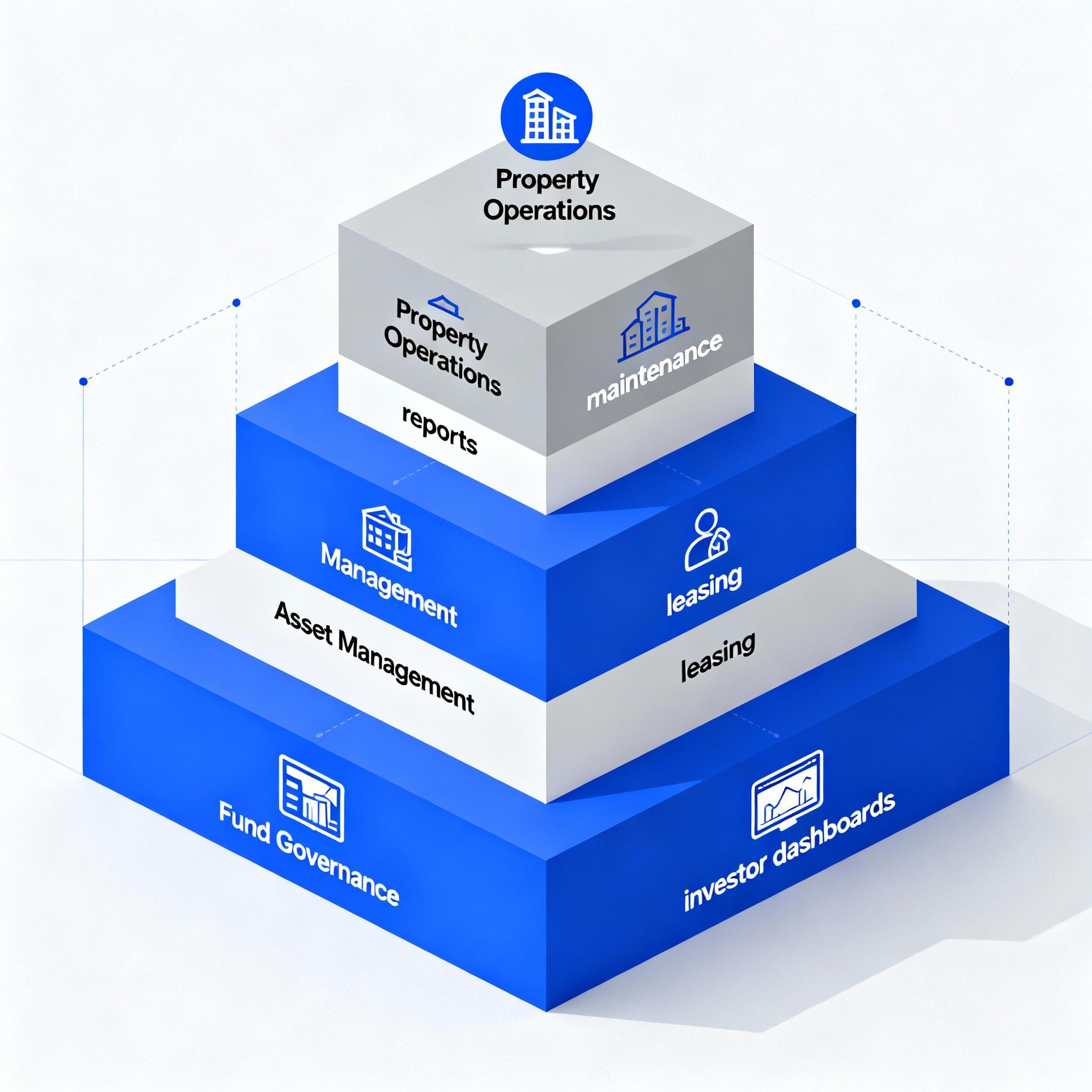
Framework for building oversight that scales
1. Define roles and RACI at fund and asset levels
Start by mapping who owns decisions, who is accountable, who needs to be consulted, and who should be informed. For private equity, separate duties across:
- Fund-level governance and capital strategy.
- Asset managers who drive business plans and capex.
- Property managers who execute day-to-day operations.
- Third-party specialists, for example leasing brokers and construction managers.
A clear RACI reduces duplicated effort and keeps investors and lenders aligned.
2. Standardize KPIs and monthly reporting
Agree on a KPI set and reporting cadence across all properties. Typical KPIs include net operating income, occupancy, rent collection rate, maintenance as percentage of revenue, and tenant turnover. Standard templates speed consolidation and make anomalies visible. Implement a consistent chart of accounts so fund-level aggregation doesn’t require manual adjustments.
3. Build a tech stack that enforces discipline
Invest in property management and accounting platforms that integrate. Automation reduces reconciliation time and improves auditability. Look for systems that support:
- Automated rent and fee posting.
- Vendor management and purchase order controls.
- Role-based access to financials.
For local market nuances, ensure systems can handle seasonal occupancy and short-term rental revenue when applicable.
4. Centralize procurement and capex approval
Large portfolios benefit from centralized vendor agreements and a standardized capex approval workflow. Central procurement secures volume discounts and enforces insurance and compliance requirements. A tiered capex approval policy reduces delays while keeping governance tight.
5. Active risk management and compliance
Assign compliance checks for local regulations, insurance renewals, and certificate tracking. In Florida markets, hurricane readiness plans, FEMA mapping awareness, and special local licensing for short-term rentals may apply. Regularly review insurance terms against replacement cost and flood exposure.
Operational playbook highlights for South Florida portfolios
- Seasonal demand planning, particularly for snowbird flows between November and April.
- Aggressive preventative maintenance before hurricane season.
- Short-term rental compliance checks in municipalities like Fort Lauderdale and Delray Beach.
- Local lease language that satisfies county and city ordinance requirements.
Use regional vendor panels and local property managers for faster turn times and better tenant relations.

Reporting and investor transparency
Investors want clarity, not noise. Deliver monthly dashboards with trend charts and a one-page executive summary that highlights variance to plan. Provide access to an investor portal for documents, capital call schedules, and waterfall modeling. When problems arise, attach a remediation plan with timelines and responsible owners.
Recommended investor deliverables:
- Monthly operating statement with variance analysis.
- Quarterly asset-level business plan updates.
- Annual property valuations and disposition readiness assessments.
Governance, escalation, and decision triggers
Set objective triggers for decisions. For example, require board review when a property’s occupancy falls below a threshold for more than two months, or when deferred maintenance exceeds a defined percentage of NAV. These triggers create discipline and prevent surprises at the fund level.
Tools and partners to consider
- Centralized property management software for portfolio rollup.
- Dedicated asset management team or outsourced asset oversight provider.
- Regional property managers with proven performance in markets such as West Palm Beach, Fort Lauderdale, and Riviera Beach.
For guidance on property management services and investor-facing operations, reference your internal resource pages like the company's services and guides. You can learn more about service offerings at Beaches Welcome Service in their Services page and explore local market insights on the blog.
Frequently Asked Questions
What is the difference between property management and portfolio oversight?
Property management handles day-to-day operations, tenant relations, and maintenance. Portfolio oversight, or asset oversight, ties property performance to fund objectives, handles governance, and ensures consistent reporting and capital allocation.
How often should private equity funds review asset-level performance?
Monthly operating reviews with quarterly business plan updates are common. Monthly cadence catches operational issues, quarterly deep-dives align capital and disposition decisions.
Can oversight reduce volatility for short-term rental income?
Yes, oversight helps by standardizing pricing strategies, enforcing compliance, and diversifying channels. Active yield management and calendar blocking for long-stays reduce occupancy swings.
What KPIs matter most for mixed portfolios?
NOI, occupancy, rent collection rate, maintenance cost ratio, tenant turnover, and capex as a percent of replacement cost. Choose a consistent set and track them across assets.
How should funds prepare assets for disposition?
Maintain clean financials, complete deferred maintenance, document capital improvements, and present a current independent valuation. A disposition readiness checklist reduces sale friction.
When should a fund hire a regional property manager versus a national firm?
Hire regional managers when you need market-specific expertise, faster turnaround, and local vendor networks. National firms work well for scale and standardized processes. Many funds use a hybrid approach.
Next steps for private equity managers
- Audit your current reporting templates and common chart of accounts.
- Map responsibilities and implement a RACI for all major decisions.
- Pilot a centralized capex approval workflow on 2 to 3 assets.
If you want help implementing these steps, Beaches Welcome Service offers tailored operational setups, long-term rental and vacation rental management, and investor reporting services. Explore their Services page, read regional insights on the Blog, or contact the team directly for a portfolio review.
Work with a partner who knows the market
Ready to convert strategy into consistent returns? Visit https://beacheswelcomeservice.com/ to schedule a portfolio assessment and see how local expertise reduces operational drag and increases investor confidence.
Conclusion
Real estate portfolio oversight for private equity is not a single task, it is a system. Build disciplined reporting, standardize operations, and adopt technology that enforces your policies. Focus on predictable cashflow, transparent investor communication, and strong local execution to unlock better exits and repeatable returns across South Florida and nearby markets.

