

Leaving a Delray Beach home vacant for months can feel less like a seasonal escape and more like an open loop. A small AC issue, irrigation leak, storm-related damage, missed association notice, or tenant question can become costly when there is no reliable person nearby to respond.
That is why snowbird property management Delray Beach owners can depend on is about far more than collecting rent. The right operating plan protects the home while you are away, keeps every party informed, and gives you a clear choice between holding the property for personal use, offering a seasonal lease, or pursuing a longer-term rental strategy.
Delray Beach is especially well suited to an ownership plan built around flexibility. The U.S. Census Bureau identifies seasonal, recreational, and occasional-use homes as the nation’s largest vacant-housing category, and notes that South Florida counties including Broward have more seasonal units than vacant homes listed for rent or sale. That makes professional oversight a practical need for many part-time Florida owners, not an optional luxury. U.S. Census Bureau
What Snowbird Owners Need Most From Local Oversight
A good local plan starts with one question: what should the home accomplish while you are away? Some owners want a ready-to-use second home. Others want measured rental income that helps offset carrying costs. Investors may want consistent performance, documented maintenance, and an eventual resale plan.
The answer determines the management model, the level of furnishing required, the maintenance reserve, and the communication schedule. It should also shape how you evaluate a manager.
| Owner Priority | Best-Fit Approach | Core Service Need | Main Watchout |
|---|---|---|---|
| Personal use first | Home watch | Routine inspections | Deferred maintenance |
| Winter income | Seasonal lease | Tenant placement and turnover | Lease timing conflicts |
| Year-round income | Long-term rental | Leasing and resident support | Vacancy between tenants |
| Portfolio performance | Asset oversight | Reporting and vendor controls | Inconsistent standards |
Consistent inspections, not occasional check-ins
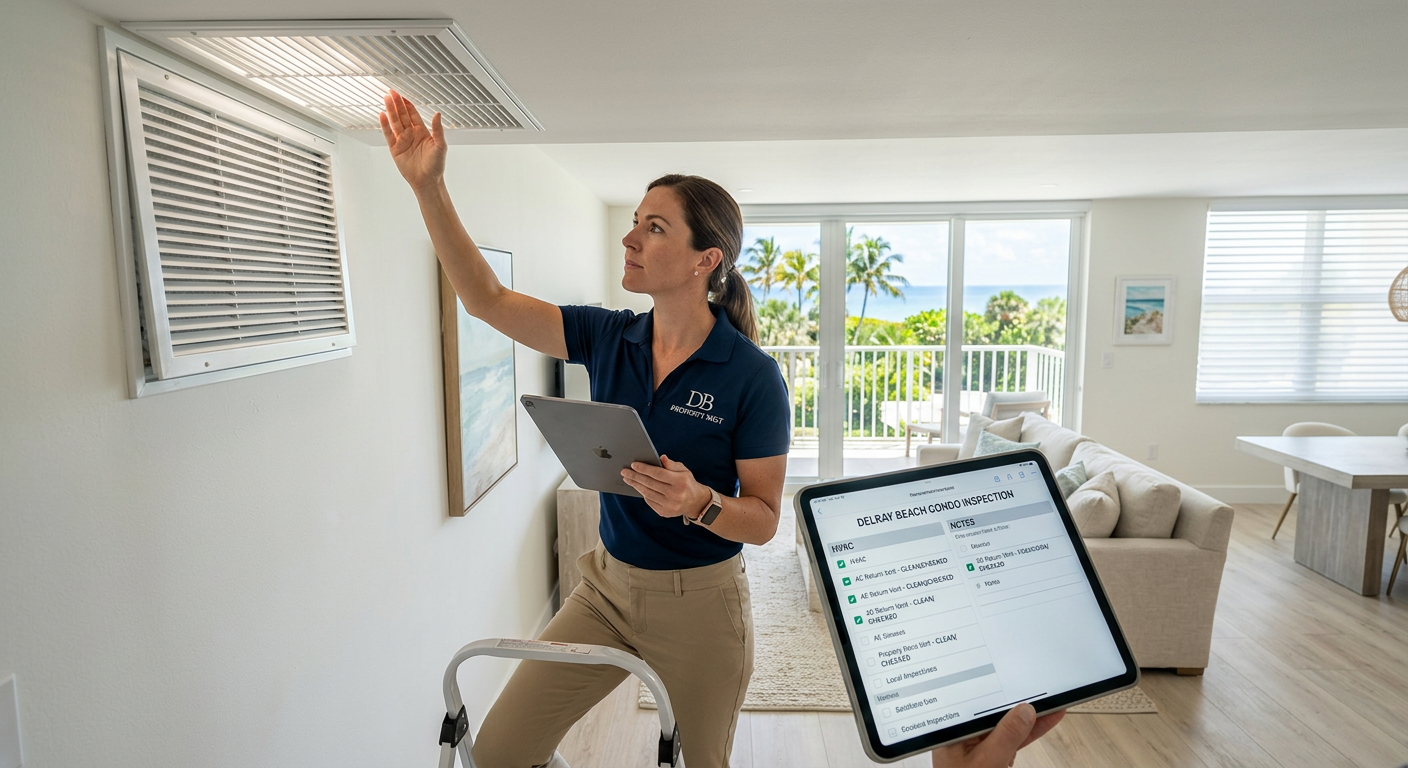
A locked home is not necessarily a protected home. In South Florida, humidity, heavy rain, roof wear, plumbing failures, pests, and air-conditioning problems can escalate quickly when they go unnoticed.
We recommend a documented inspection schedule with photos, notes, and clear escalation thresholds. A useful inspection checks HVAC settings, water intrusion, appliances, exterior conditions, irrigation, pool equipment where applicable, and any association or code-related concerns.
Maintenance coordination with owner-approved rules
Snowbirds should not be approving every minor repair by text message from another state. Establish a maintenance authorization amount in advance, require estimates for larger projects, and make sure the manager documents what was completed and why.
This approach protects both speed and control. You stay informed without becoming the bottleneck when a repair cannot wait.
Choosing the Right Rental Strategy for Your Delray Beach Home
The most common mistake we see is selecting a rental model because it sounds profitable, rather than because it fits the owner’s calendar, property type, community rules, and tolerance for operational activity. There is no universal best option.
Home watch for owners who prioritize access
Home watch works best when you want the property available for personal stays and prefer not to accept tenants. It can include visual checks, storm preparation, vendor access, package handling, seasonal opening and closing support, and maintenance coordination.
The tradeoff is simple: you retain maximum flexibility, but the property does not generate rental income. This option is often the strongest fit for owners who use their Delray Beach residence several times a year or have highly specific furnishing and personal-use preferences.
Seasonal leasing for a more balanced approach
A furnished seasonal lease can provide income during a defined period while leaving part of the year available for you. It usually creates fewer arrivals, departures, and cleaning cycles than a nightly rental model, which can make the home easier to manage from afar.
Before listing, confirm the lease period works with your own travel plans and the community’s rules. For a deeper look at the tradeoffs, review these Florida snowbird rental management options.
Long-term leasing for operational consistency
A conventional annual lease may suit owners who do not plan to use the home for an extended period. It can create steadier occupancy, fewer turnovers, and a more predictable maintenance rhythm than short stays.
The key is preparation. Rental pricing, tenant screening, lease terms, move-in condition, and response standards must work together. Owners evaluating a house rather than a condominium may also benefit from this guide to single-family home property managers in Delray Beach.
Compliance Is Part of the Management Plan
Rental rules should never be treated as an afterthought. Delray Beach rental housing requires attention to permits, occupancy, parking, inspections, and local requirements, while Florida rules may also affect licensing and taxes depending on the rental model.
The City of Delray Beach states that a landlord permit is required for anyone leasing or renting a dwelling unit in the city, subject to listed exemptions. The city’s rental guidance also addresses occupancy, parking decals, inspections, and housing conditions. City of Delray Beach rental housing guidance
For rentals of six months or less, Florida’s Department of Revenue explains that the state’s 6 percent sales tax applies, plus any applicable discretionary surtax and local transient rental taxes. That is a meaningful operational difference between a seasonal or vacation rental and a conventional long-term lease. Florida Department of Revenue
A practical compliance checklist
Before offering the home for rent, we recommend confirming these items:
- The ownership entity, insurance policy, and mortgage terms allow the intended rental use.
- The condominium, HOA, or co-op rules permit the lease length and tenant approval process you plan to use.
- Required city permits, state licensing, and tax registrations have been reviewed for your specific rental model.
- The lease addresses maintenance responsibilities, utilities, pool care, pets, occupancy, and renewal timing.
- The property meets basic readiness standards, including safety items, functional systems, clean documentation, and a clear emergency-contact process.
For an owner, compliance is not simply paperwork. It helps prevent a disruptive issue from undermining a season of otherwise successful ownership.
How to Compare Property Management Providers
Fees matter, but the lowest management percentage does not always produce the lowest ownership cost. A manager who is slow to respond, weak on documentation, or unclear about vendor markups can cost more than a provider with a higher but more transparent structure.
Ask operational questions, not just pricing questions
When comparing providers, ask what happens after hours, how inspections are documented, who approves vendors, how emergency repairs are handled, and what is included in the monthly fee. Also ask for a sample owner statement so you can see how income, repairs, reserves, and charges will be presented.
A clear agreement should explain leasing fees, renewal fees, maintenance coordination, inspection frequency, cancellation terms, reserve requirements, and any markup policy. Use this breakdown of Delray Beach property management fees to create a side-by-side comparison before signing.
Look for local judgment and disciplined reporting
A national platform may offer polished software, while an individual caretaker may offer familiarity with one neighborhood. Both models can work, but neither automatically solves the core challenge of remote ownership.
The strongest fit is usually the provider that combines responsive local coordination with consistent records. For owners with more than one property across Delray Beach, Boynton Beach, Lake Worth, West Palm Beach, Fort Lauderdale, or the Treasure Coast, standardized reporting and vendor controls become even more valuable.
A Better Seasonal Ownership Routine
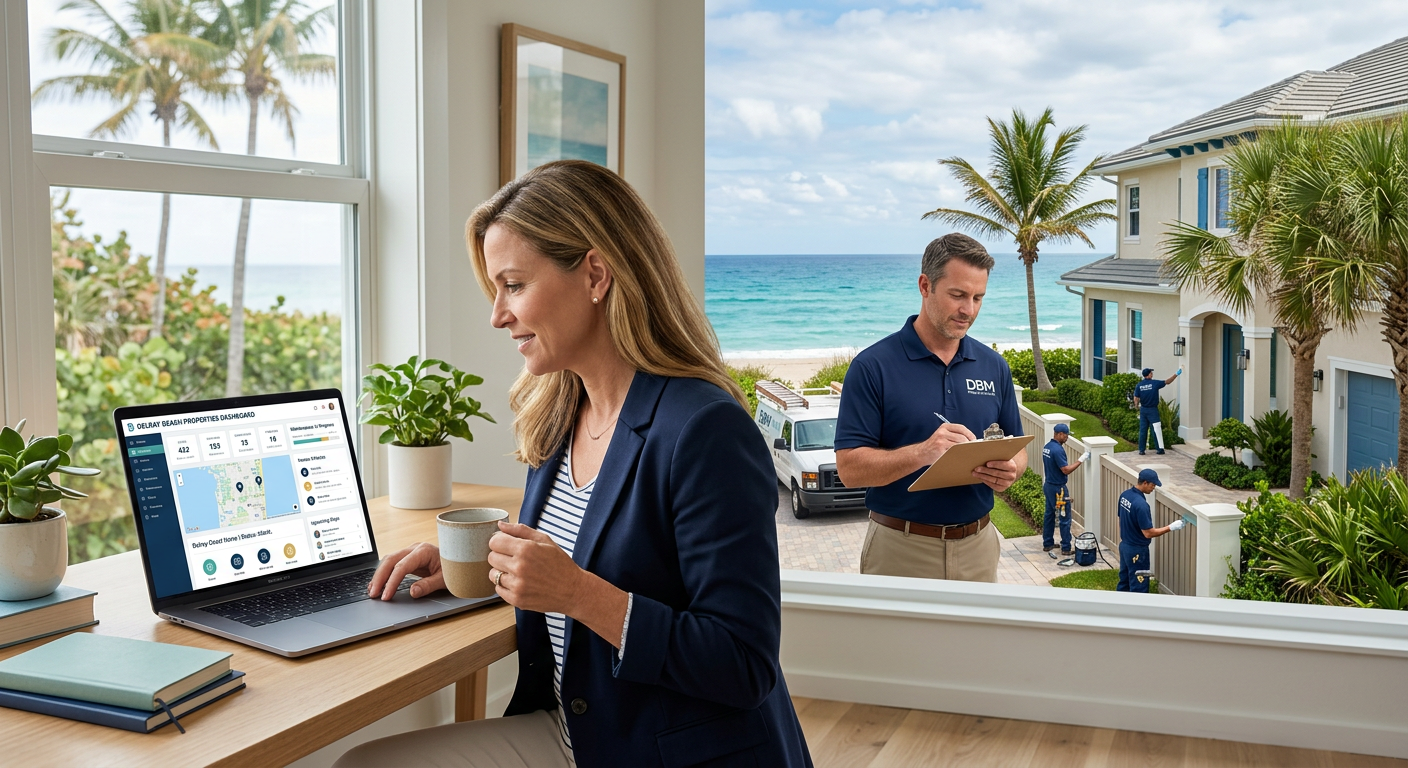
The most effective snowbird plan is proactive. Instead of waiting until departure week to arrange care, build a repeatable annual calendar that begins before you leave and continues through your return.
Before heading north
Complete a property condition review, document major systems, verify insurance details, update vendor contacts, confirm association requirements, and set maintenance approval limits. If the home will be rented, schedule photography, cleaning, repairs, and listing preparation early enough to avoid rushed decisions.
While you are away
Expect concise inspection updates at a pre-agreed frequency. Review income and expense reports monthly if the property is rented, and keep a separate reserve for ordinary repairs so every service call does not become an urgent financial decision.
Before coming back
Schedule a pre-arrival inspection and seasonal refresh. That should include HVAC performance, cleaning, landscaping, utilities, refrigerator setup, pool readiness if relevant, and resolution of any open maintenance items.
Common Questions About Snowbird Property Management
What does snowbird property management usually include?
It can include scheduled home inspections, maintenance coordination, storm preparation, vendor access, emergency response, tenant communication, rent collection, bookkeeping, and pre-arrival preparation. The exact service package should match whether you are keeping the home vacant, renting seasonally, or leasing it annually.
Should we rent our Delray Beach home seasonally or keep it available?
Choose seasonal leasing if the expected income, furnishing requirements, and turnover activity align with your calendar. Keep it available if frequent personal use, family access, or lower operational complexity matters more than rental revenue.
How often should an empty Florida home be inspected?
The right frequency depends on the property’s systems, age, location, and whether it is occupied. Many remote owners prefer regular documented inspections, with additional checks after severe weather or when an issue is reported.
Do we need a landlord permit in Delray Beach?
The City of Delray Beach states that a landlord permit is required for anyone leasing or renting a dwelling unit in the city, subject to specific exemptions. Confirm the current rules and your property’s requirements directly with the city before marketing the home.
What should we ask before hiring a property manager?
Ask about inspection standards, response times, leasing procedures, fee structure, emergency protocols, owner reporting, vendor relationships, insurance requirements, and termination terms. Request examples of inspection reports and owner statements rather than relying only on verbal assurances.
Can a manager help us sell the property later?
Yes. Ongoing maintenance records, property condition documentation, rental performance data, and local market knowledge can all support a cleaner transition when you decide to sell. A well-run asset is generally easier to evaluate and present to prospective buyers.
Put a Reliable Local Team Around Your Property
If you want a more organized way to manage a seasonal residence, rental home, or growing portfolio, Beaches Welcome Service can help you evaluate the right management path. We support long-term and vacation rental operations, home oversight, portfolio coordination, and real estate decisions across South Florida.
The Real Goal Is Confidence While You Are Away
Effective snowbird property management Delray Beach owners can rely on creates more than a maintenance plan. It gives you a repeatable system for protecting the home, making informed rental decisions, meeting local responsibilities, and arriving back to a property that feels ready for you.
Whether you choose home watch, seasonal leasing, or a long-term tenant, success comes from aligning the strategy with how you actually use the home. Build the plan before you travel, document expectations clearly, and prioritize responsive local oversight over shortcuts.

