
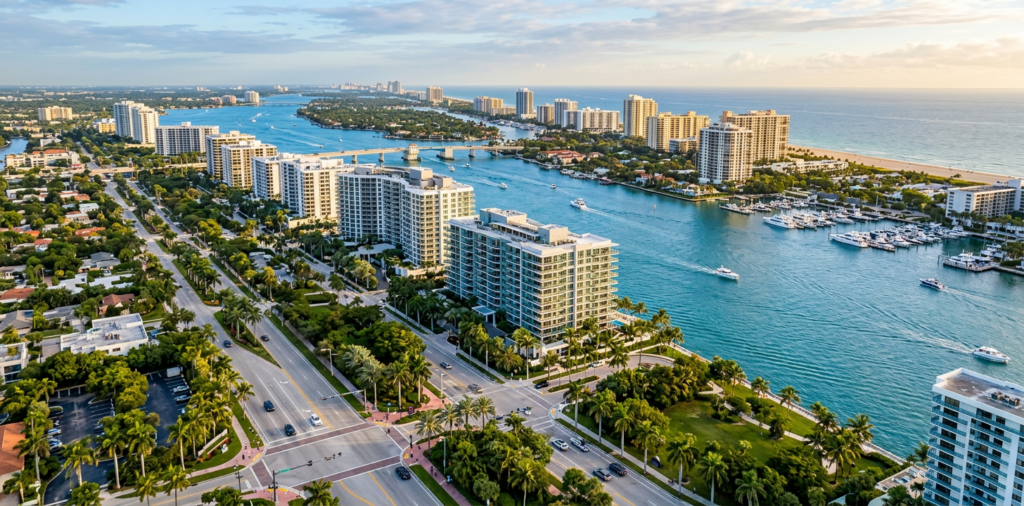
Owning apartments in South Florida can look simple from the outside. Rents come in, bills go out, and the asset either grows or it doesn’t. But anyone managing doors in West Palm Beach, Boynton Beach, Delray Beach, Fort Lauderdale, Port Saint Lucie, Fort Pierce, Lake Worth, or Riviera Beach knows the real story is more detailed.
The best multi family asset management strategies don’t chase every rent increase or cut every expense. They connect operations, leasing, capital planning, resident experience, and investor reporting into one practical plan. That matters even more in a region where insurance, maintenance, labor, and renter demand can shift quickly.
CBRE reported that U.S. multifamily net absorption reached 78,100 units in the first quarter of 2026, while national vacancy fell to 4.8%, below its long-term average of 5.0% in CBRE’s May 2026 multifamily update. For owners, that’s a reminder that demand is still real, but performance belongs to operators who manage the details.
Multi Family Asset Management Strategies at a Glance
| Strategy | Best For | Primary KPI | South Florida Angle |
|---|---|---|---|
| Revenue management | Stabilized assets | Effective rent | Neighborhood pricing varies fast |
| Expense control | Older buildings | NOI margin | Insurance and repairs matter |
| Resident retention | Workforce housing | Renewal rate | Churn is costly in peak season |
| CapEx planning | Value-add assets | ROI on upgrades | Weather resilience is key |
| Reporting cadence | Private equity | Cash flow clarity | Faster decisions protect income |

Start With the Business Plan, Not the Building
A multifamily asset is not just a set of units. It’s a business with income, expenses, resident satisfaction, physical risk, debt obligations, vendor needs, and owner goals.
Before changing rents or approving upgrades, define the role of the property. Is it a long-term hold, a value-add project, a stabilization play, or a sale candidate? A snowbird owner with a small building in Lake Worth may need steady income and low stress, while private equity may need a tighter timeline and cleaner reporting.
For owners who want hands-on help aligning strategy with day-to-day execution, South Florida asset management support can help bridge the gap between ownership goals and property-level performance.
Build a Rent Strategy Around Net Income
Higher rent is not always better if it creates vacancy, concessions, or weaker resident quality. Effective rent, renewal quality, and collection performance matter more than the advertised rent number.
In South Florida, submarket pricing can change block by block. A Fort Lauderdale building near employment centers needs a different rent plan than a Port Saint Lucie property serving families who prioritize space and affordability.
A smart rent strategy should include:
- Monthly rent comp checks by unit type
- Renewal pricing based on resident quality and local demand
- Concession tracking, not just asking rent
- Occupancy goals by season
- A clear floor for acceptable lease terms
According to the February 2026 South Florida Residential Rental Market report from MIAMI REALTORS, the Miami Metro Area multifamily vacancy rate stood at 6.5%, lower than the national vacancy rate of 7.4% at that time. That kind of spread is useful, but owners still need local pricing discipline.
Treat Expense Control as Asset Protection
Here’s the thing, most weak multifamily plans don’t fail because rent is too low. They fail because expenses creep up quietly.
Insurance, HVAC, plumbing, roofing, landscaping, pest control, security, and compliance costs can all eat into income. In coastal and inland South Florida markets, deferred maintenance is especially risky because humidity, storms, and heavy use can accelerate damage.
The goal is not to spend less on everything. The goal is to spend early on the right items so you avoid bigger losses later.
Expense Controls That Actually Work
- Create an annual operating budget with monthly variance review
- Build preferred vendor pricing before emergencies happen
- Track work orders by category and unit
- Compare repair frequency across buildings
- Set owner approval limits for non-emergency work
- Review utilities, landscaping, and service contracts at least once a year
If you’re comparing management options, this guide to Port Saint Lucie property management fees is a helpful way to evaluate the total cost of support, not just the monthly percentage.
Reduce Resident Churn With Better Operations
Vacancy is expensive, but churn is also disruptive. Every move-out can bring cleaning, repairs, painting, marketing, leasing labor, lost rent, and uncertainty.
Strong multifamily operators focus on resident experience because it protects income. Fast maintenance communication, clean common areas, fair renewal offers, and predictable property rules all support better retention.
This is especially important for accidental landlords and smaller investors who underestimate how much time leasing gaps can consume. If you own from another state or split time as a snowbird, systems are not optional. They’re the difference between a passive investment and a constant distraction.
For remote owners, this guide on managing rental property from another state explains why local oversight and documented processes matter.
Use CapEx to Create Value, Not Just Improve Appearance
A fresh exterior is nice. A better-performing asset is better.
Capital improvements should be tied to measurable outcomes, such as higher rent, lower repairs, improved insurance profile, better resident retention, or stronger sale positioning. Not every upgrade deserves the same priority.
High-Impact CapEx Priorities
- Roof, drainage, and water intrusion prevention
- HVAC reliability and energy efficiency
- Lighting, access control, and safety upgrades
- Laundry, parking, storage, or pet-friendly amenities
- Unit interiors that match the rent band
- Storm-readiness and exterior durability
In South Florida, resilience is part of value. A property that handles weather, repairs, and resident needs smoothly is easier to operate and easier to explain to buyers, lenders, and partners.

Make Reporting Simple Enough to Act On
Reports should not be a pile of PDFs no one reads. Good asset management reporting helps owners make decisions.
A monthly packet should show the rent roll, occupancy, collections, delinquency, repairs, budget variance, leasing activity, upcoming capital needs, and risks. For private equity and portfolio owners, a weekly snapshot may be better during lease-up, renovation, or stabilization.
Keep the language plain. If a number is off, explain why. If action is needed, name the action, cost, owner decision, and deadline.
Build a Cleaner Plan for Your South Florida Portfolio
If you want a local partner for long-term rental management, multifamily property management, portfolio oversight, or investor-focused real estate sales, connect with Beaches Welcome Service. The team supports owners across South Florida, including West Palm Beach, Boynton Beach, Delray Beach, Fort Lauderdale, Port Saint Lucie, Fort Pierce, Lake Worth, and Riviera Beach.
A focused conversation can help you identify what’s working, what’s costing you money, and which next moves deserve priority.
Frequently Asked Questions
What is multifamily asset management?
Multifamily asset management is the oversight of an apartment property’s financial and operational performance. It connects rent strategy, expenses, property management, capital improvements, reporting, and long-term ownership goals.
How is asset management different from property management?
Property management handles daily operations like leasing, rent collection, repairs, inspections, and resident communication. Asset management focuses on the bigger financial plan, including NOI, capital planning, risk, valuation, and owner strategy.
What KPIs should multifamily owners track?
Owners should track occupancy, effective rent, collections, delinquency, renewal rate, repair costs, budget variance, days vacant, NOI, and cash flow. For larger assets, track these by unit type and building section.
Are multi family asset management strategies different in South Florida?
Yes. South Florida owners need to account for insurance costs, storm readiness, seasonal demand, migration patterns, local rent sensitivity, and maintenance challenges linked to heat and humidity.
When should an owner hire asset management help?
Consider help when the property has multiple units, persistent vacancy, rising expenses, unclear reporting, deferred maintenance, investor partners, or a planned sale or refinance. Remote owners and snowbirds often benefit from local oversight sooner.
What is the biggest mistake multifamily investors make?
The biggest mistake is managing each issue separately instead of using one coordinated plan. Rent, repairs, resident quality, expenses, and CapEx all affect one another.
Final Takeaway
Strong multi family asset management strategies are practical, not flashy. They help you protect income, control risk, improve resident stability, and make better decisions with fewer surprises.
South Florida remains a compelling rental market, but it rewards disciplined owners. If you treat each building like a business, measure the right numbers, and act before small issues become expensive, your portfolio has a much better chance of performing year after year.

