
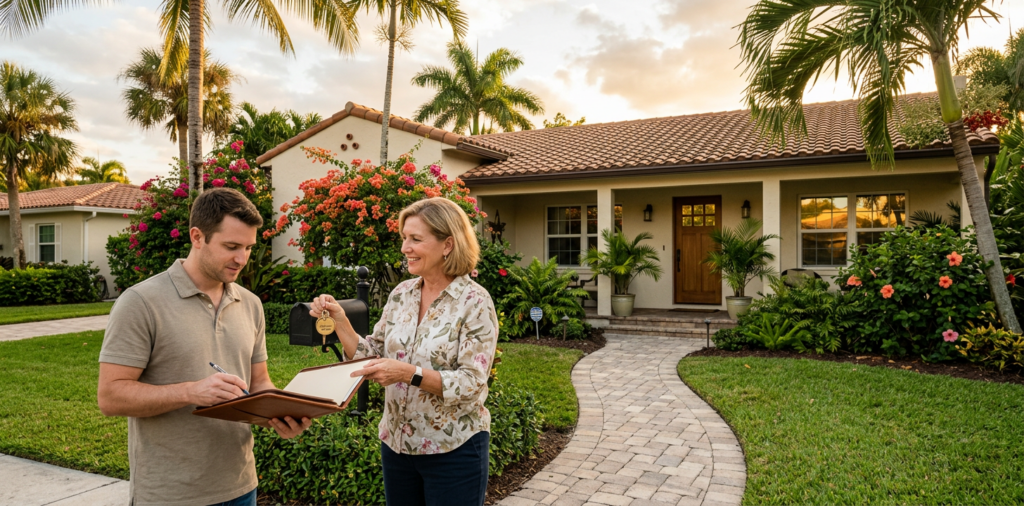
Renting a home successfully starts long before a listing goes live. In West Palm Beach, owners need a plan that combines city licensing, property readiness, accurate pricing, consistent tenant selection, and reliable day-to-day operations.
For investors, accidental landlords, and snowbirds, how to rent out a house in West Palm Beach is really a question of how much risk and hands-on work you want to carry. A well-run long-term rental can produce dependable income, but only if the home, lease, records, and response process are ready before the first applicant walks through the door.
The local market supports a disciplined approach. The U.S. Census Bureau reports that West Palm Beach had a median gross rent of $1,772 during 2020 through 2024, while 50.5 percent of housing units were owner-occupied. Those figures are useful context, not a rent quote. Your home’s condition, location, parking, pet policy, outdoor space, and lease timing will have a much bigger effect on its achievable rent.
Start With City Approval and Property-Level Rules
Before marketing the house, confirm that it can be legally rented and that it meets West Palm Beach requirements. This step prevents a rushed lease from becoming an expensive compliance problem.
The City of West Palm Beach requires rental units to obtain a rental tax application. The process generally includes zoning review and a code compliance inspection. Properties with three or more units under one roof may also need a fire inspection. The city notes that applications are generally processed within seven to 10 business days, so build that lead time into your leasing schedule. Review the current City of West Palm Beach rental property guidelines before you advertise.
Check the details that can stop a lease
For a single-family home, confirm these items early:
- The ownership name matches the deed and your rental application materials.
- Zoning allows the intended use and number of occupants.
- Any HOA or condo association permits long-term leasing and does not require separate tenant approval.
- Your insurance carrier knows the property will be tenant-occupied.
- The home is safe, sanitary, and functional, including appliances, plumbing, windows, electrical systems, egress, address numbers, and exterior maintenance.
Do not assume a short-term rental plan and a year-long lease follow identical rules. The city applies rental regulations broadly, while state vacation-rental requirements can also apply to temporary lodging. If you are a snowbird weighing seasonal use against a traditional lease, review these Florida snowbird rental management options before deciding which model fits your calendar and HOA rules.
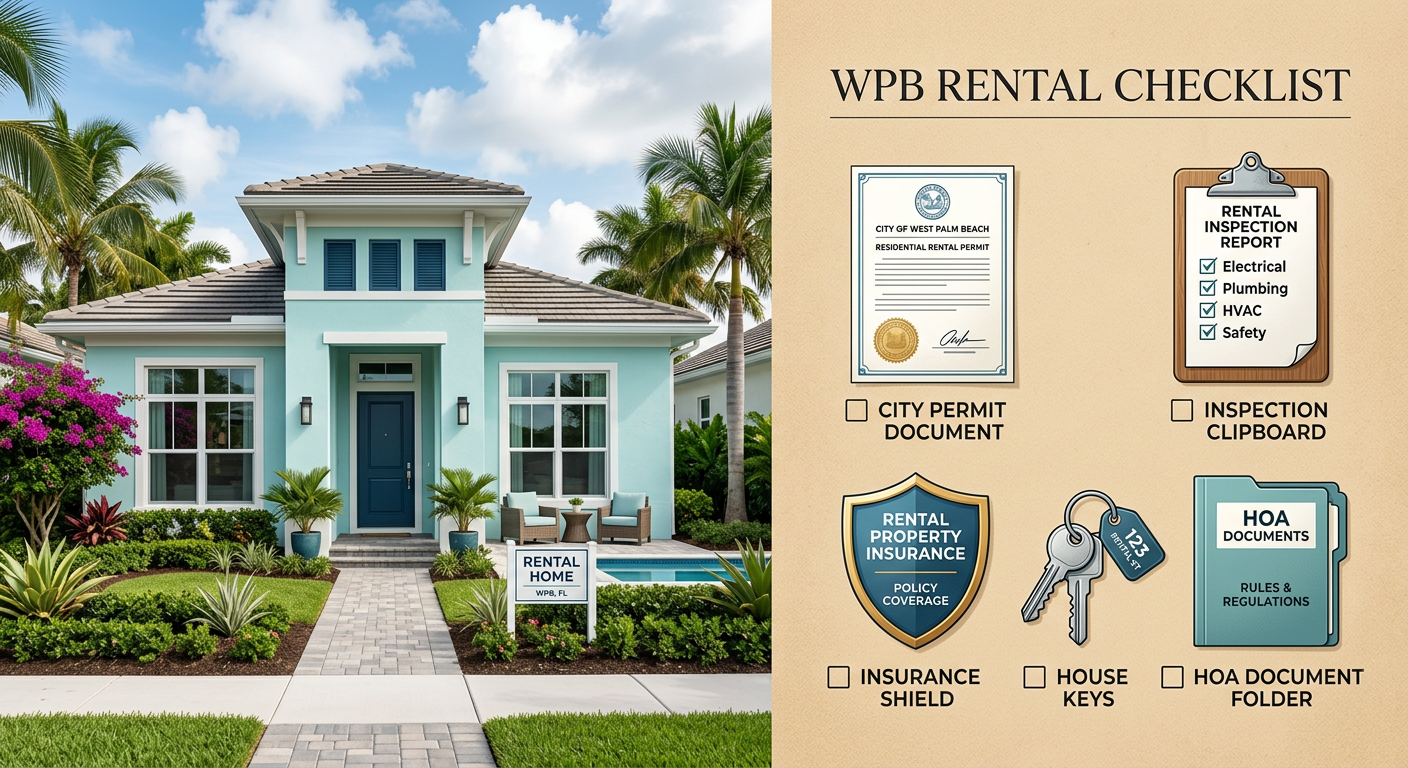
Prepare the House Like a Long-Term Asset
A rental should be clean, safe, durable, and easy to maintain. The most profitable improvements are usually the ones that reduce resident friction and prevent emergency repairs, not the ones that simply look impressive in photos.
Start with a documented pre-listing inspection. Test air conditioning, appliances, water fixtures, smoke alarms, doors, locks, windows, and exterior lighting. In South Florida, we also recommend reviewing roof condition, drainage, hurricane protection, tree trimming, and pest treatment. A loose fence panel or sluggish AC system is cheaper to address before move-in than during a weekend service call.
Use materials that can tolerate tenant use and humid conditions. Durable flooring, washable paint, solid hardware, working window coverings, and a professionally cleaned kitchen and bath will usually outperform fragile upgrades. Photograph the property after cleaning and repairs, then repeat the photo process at move-in and move-out.
Build a property file before the first showing
Keep one organized file, digital or physical, with:
- Property license and inspection records
- HOA rules and approval forms
- Insurance declarations and key vendor contacts
- Appliance manuals and warranties
- Before-and-after repair invoices
- High-resolution condition photos and videos
- Utility, pest control, lawn, pool, and irrigation responsibilities
This is the operating discipline that separates a rental business from a casual arrangement. A signed lease matters, but consistent records, preventative maintenance, resident communication, and financial controls are what protect your income after the lease begins.
Set Rent From Comparable Homes, Not Hope
The right rent is the amount that attracts qualified applicants within a reasonable leasing period while supporting your net return. Pricing too high can cost more in vacancy than a modest reduction in advertised rent.
Review comparable active, pending, and recently leased homes with similar bedroom count, bathrooms, square footage, condition, parking, school access, pet policy, and outdoor features. A renovated home near downtown West Palm Beach will compete differently from a house farther west, a waterfront-adjacent property, or a home with limited parking.
Calculate the full monthly carrying cost before you set your target. Include mortgage payments, taxes, insurance, HOA dues, lawn or pool service, reserves for repairs, management fees, and potential vacancy. Then choose a rent that gives the property a realistic chance to produce stable income.
Avoid the two common pricing mistakes
First, do not price from a neighbor’s story about what they received last year. Rental demand changes by season and by property condition. Second, do not focus only on gross rent. A dependable resident who renews can often create a better annual outcome than a higher asking rent followed by extended vacancy and frequent turnover.
If you need a broader framework for leasing decisions, this South Florida long-term rental management guide explains how pricing, maintenance, tenant communication, and reporting work together.
Market the Home Clearly and Screen Consistently
Strong marketing brings attention, but consistent screening protects the lease. Write an accurate listing that leads with the home’s true advantages and clearly states rent, deposit expectations, pet policy, lease length, availability date, parking, utilities, and any HOA application requirements.
Use bright, current photos and a straightforward description. Mention features renters actually use, such as fenced yards, in-unit laundry, storage, hurricane shutters, renovated kitchens, proximity to major employers, or included lawn care. Avoid language that signals preferences about who should live in the home.
The U.S. Department of Housing and Urban Development states that the Fair Housing Act prohibits housing discrimination based on race, color, national origin, religion, sex, familial status, and disability. Use written rental criteria and apply them consistently to every applicant. That means the same income standards, verification process, credit review approach, occupancy policy, pet rules, and reference checks for everyone.
Use a repeatable application process
A thorough process commonly includes identity verification, proof of income or other reliable funds, employment verification where applicable, credit review, rental history, landlord references, and lawful background screening. Ask each applicant for the same documentation and retain organized records of your decisions.
For a deeper checklist, see our guide on screening tenants for rental property. The central principle is simple: use documented standards instead of instinct, pressure, or first-impression decisions.
Use a Florida-Compliant Lease and Deposit Process
Your lease should turn expectations into enforceable written terms. A generic template may miss property-specific details, so have a Florida real estate attorney or qualified property manager review the agreement you use.
Cover the lease term, rent due date, late-fee terms, maintenance reporting, resident responsibilities, guest policy, pet terms, utilities, smoking rules, HOA requirements, access notices, renewal process, renter’s insurance, and move-out standards. Attach a move-in condition report with photographs and require the resident to return it promptly with any documented concerns.
Florida’s Residential Landlord and Tenant Act has specific rules for security deposits and advance rent. Under Florida Statutes Chapter 83, owners must hold deposits in an approved manner, provide required disclosures, and follow deadlines at move-out. If there is no claim against the deposit, it must generally be returned within 15 days after the tenancy ends. If you intend to make a claim, you must generally provide written notice within 30 days.
This is an area where timing and documentation matter. Save invoices, photos, inspection reports, resident communications, and proof of notice delivery. For lease disputes, eviction steps, or unusual deposit questions, seek legal advice before acting.
Run the Rental as an Ongoing Operating System
The lease signing is the beginning of the work, not the finish line. Owners who treat the property as an operating system protect both the home and the income it produces.
Set clear channels for maintenance requests, emergency calls, rent collection, and resident communication. Conduct permitted periodic inspections, track repair history, and plan preventative work around South Florida’s weather cycle. For example, schedule HVAC service before peak heat, review drainage before heavy rains, and confirm storm-preparation responsibilities before hurricane season.
Match the management model to your ownership goals
Self-management can work well if you live nearby, have time for showings and repairs, understand compliance obligations, and are comfortable handling difficult conversations. It gives you direct control, but it also makes you the contact for late-night leaks, vendor coordination, documentation, and turnover decisions.
Professional management can make sense for snowbirds, busy professionals, out-of-state investors, and portfolio owners who need standardized reporting. In South Florida, ongoing management commonly costs a percentage of collected rent, plus a separate leasing fee, so compare the full fee schedule, maintenance markups, communication standards, vacancy performance, and hurricane response procedures before choosing a firm.
Questions Owners Often Ask
How long does it take to get a West Palm Beach rental license?
The city says rental tax applications are generally processed within seven to 10 business days, but zoning review, inspections, corrections, and document issues can extend the timeline. Apply before you market the house as available, especially if you need repairs or HOA documentation.
Can we rent the house if we live out of state?
Yes, but remote ownership requires dependable systems. Use a local emergency contact, establish vendor relationships, automate rent collection, maintain inspection records, and consider a manager who can coordinate repairs and resident communication in person.
How much security deposit should we charge?
Florida law does not set a universal maximum for a residential security deposit, but your amount should be consistent with your written criteria and competitive for the home’s market position. Make sure your holding, disclosure, and move-out notice practices comply with Chapter 83.
Should we allow pets in our West Palm Beach rental?
Pets can expand your applicant pool, but the policy should be written precisely. Decide on permitted animals, size or breed restrictions where lawful, pet rent or fees, yard responsibilities, and required documentation, while handling assistance-animal requests in accordance with applicable fair housing rules.
Can we enter the property for inspections after move-in?
Generally, Florida law allows landlord access at reasonable times with proper notice for inspections, repairs, agreed services, and certain showings. Your lease should explain the notice process, but state law controls if the lease conflicts with legal requirements.
What if the HOA requires tenant approval?
Build the association’s review timeline into your lease and do not promise occupancy before approval is complete. Provide applicants with applicable rules early, since vehicle, pet, parking, occupancy, and lease-length restrictions can affect their decision to proceed.
Put a Local Operating Plan Behind Your Rental
A rental home should create income without forcing you to manage every detail from a distance. If you want help with pricing, leasing, tenant placement, maintenance coordination, or long-term asset oversight, Beaches Welcome Service can help you build a property-specific plan for West Palm Beach and the surrounding South Florida market.
We can help you compare self-management against full-service support, identify readiness gaps, and set up a leasing process designed around your goals.
Make the First Lease Easier Than the Second
Renting out a house in West Palm Beach is manageable when you prepare before you list. Secure city approval, make the home inspection-ready, price it from credible comparisons, screen applicants consistently, document every stage, and plan for maintenance before it becomes an emergency.
That preparation protects more than one lease. It gives you a repeatable system for renewals, turnovers, and future acquisitions, so your home can function as the durable asset you intended it to be.

