

A rental problem rarely begins with a dramatic confrontation. More often, it starts with an unanswered maintenance request, an informal agreement about late rent, a tenant who brings in an unauthorized pet, or a lease file missing the documentation needed to support the owner’s next move.
For owners facing landlord problems with tenants in Fort Pierce, the priority is to replace emotional, one-off decisions with a documented response process. That protects income, preserves the property, and gives good residents a clearer experience too.
Fort Pierce requires local awareness as well as solid operations. The U.S. Census Bureau estimated the city’s population at 51,737 in 2025, and reported that 28.8% of residents age five and older spoke a language other than English at home from 2020 through 2024. Clear written communication, consistent expectations, and prompt follow-up are practical management tools in a market with a diverse resident base.
Start With Facts, Not Frustration
The best first move is to identify the exact issue, the applicable lease term, and the evidence available. A late payment, noise complaint, property-damage concern, and access dispute each require a different response, so treating every issue as a personal conflict creates unnecessary risk.
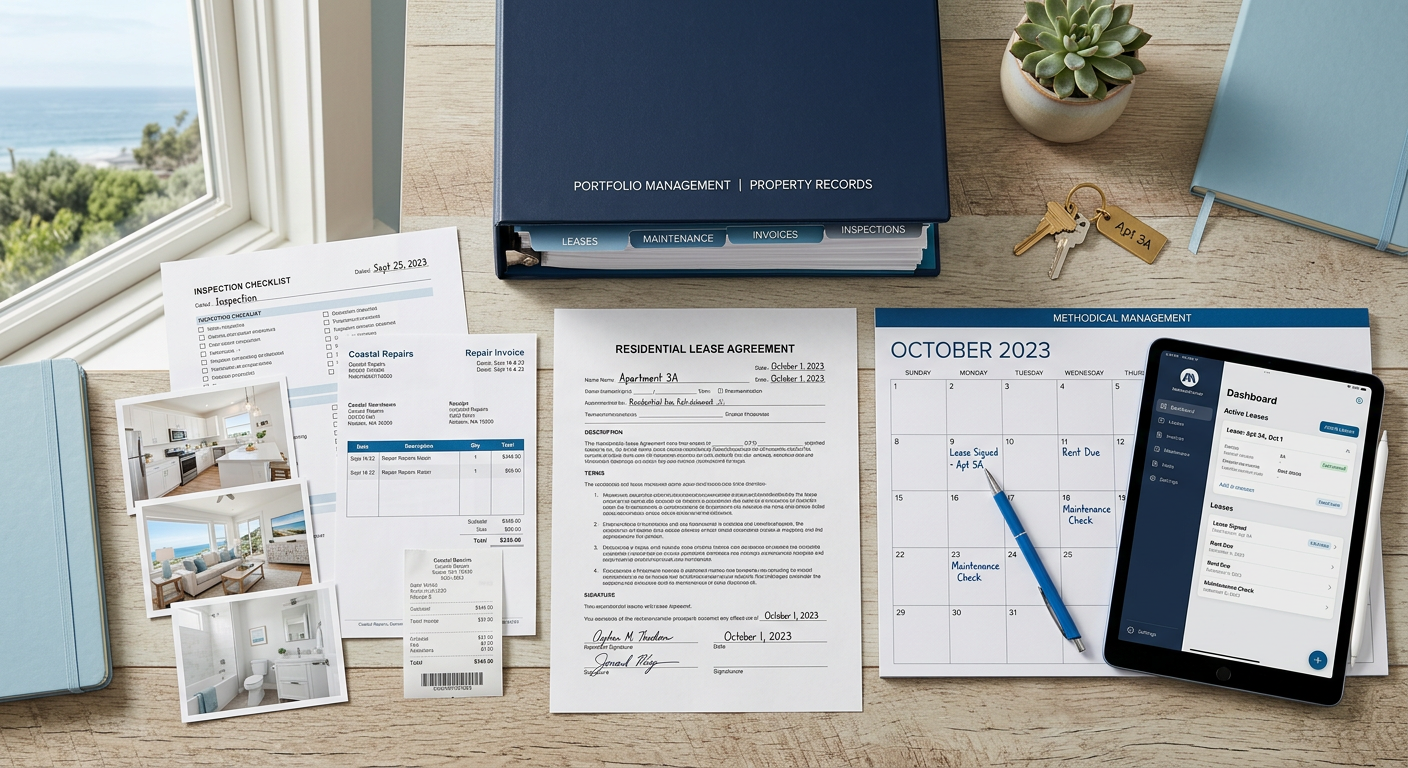
Build a file as soon as a concern appears. Save the signed lease, payment ledger, dated photos, work orders, emails, text summaries, inspection notes, and copies of every formal notice. Keep entries factual: what happened, when it happened, what provision applies, and what action was taken.
This discipline matters most when a dispute is still small. A resident may correct a problem quickly after receiving a professional written reminder. If the issue escalates, the same documentation becomes the foundation for an attorney, manager, court filing, insurance claim, or deposit accounting.
Separate the Problem Into the Right Category
Use a simple internal classification system so the response stays consistent:
- Payment issue: unpaid or partial rent, returned payment, or repeated late payment.
- Lease violation: unauthorized occupants, pets, vehicles, smoking, parking, or rule violations.
- Property condition: damage, housekeeping concerns, moisture, pests, plumbing, air conditioning, or safety risks.
- Conduct issue: disturbances, threats, harassment, or complaints from neighbors or an association.
- Lease-end issue: renewal uncertainty, holdover occupancy, abandoned belongings, or a security-deposit dispute.
When a tenant reports a habitability or repair concern, take it seriously and respond quickly. Florida law places maintenance duties on landlords, and a slow response can turn a manageable repair into a larger legal, financial, and resident-retention issue.
Handle Late Rent With a Repeatable Process
Late rent should be handled promptly, professionally, and exactly as the lease and Florida law require. Informal exceptions may feel helpful in the moment, but inconsistent enforcement can make collection and later enforcement much harder.
Create a written rent-collection workflow before a payment is missed. It should identify when rent is due, any grace period stated in the lease, permitted payment methods, late-fee rules, who communicates with the tenant, and when a formal notice is reviewed. Do not add fees or change deadlines on the fly.
Under Florida Statutes Chapter 83, nonpayment generally requires a written three-day demand for rent or possession before an owner may terminate the rental agreement for that default. Saturdays, Sundays, and legal holidays are excluded from that three-day period. The Florida Senate’s current Chapter 83 text is a useful primary source, but a Florida landlord-tenant attorney should review any situation that may lead to filing or possession.
In St. Lucie County, the Clerk and Comptroller’s eviction instructions explain that owners must provide the required notice and supporting paperwork when filing. The Clerk also notes that it cannot provide legal advice, which is a strong reason not to improvise forms, deadlines, or service methods.
Address Lease Violations Before They Become Patterns
Most lease violations can be corrected when owners act early, document the issue, and communicate without hostility. Waiting through repeated unauthorized guests, parking problems, unapproved animals, or neglected housekeeping often sends the message that lease terms are optional.
Start with verification. Confirm the complaint through inspection findings, photos, vendor observations, association communication, or a reliable written report. Then compare the facts with the signed lease, add the information to the property file, and use the correct written communication for the situation.
Florida law distinguishes between violations that may be cured and more serious or repeated violations. For a correctable issue, the law generally provides a seven-day period to correct the noncompliance. Certain intentional property damage, misuse, or continuing unreasonable disturbances may be handled differently under the statute. This is not an area for generic internet templates, especially when a resident has prior notices or disputes the facts.
Consistent screening prevents many of these issues before move-in. Our Fort Pierce tenant screening guide explains how written qualification standards, income verification, rental-history checks, and clear lease expectations help owners make evidence-based decisions.
Protect the Property With Fast Maintenance Communication
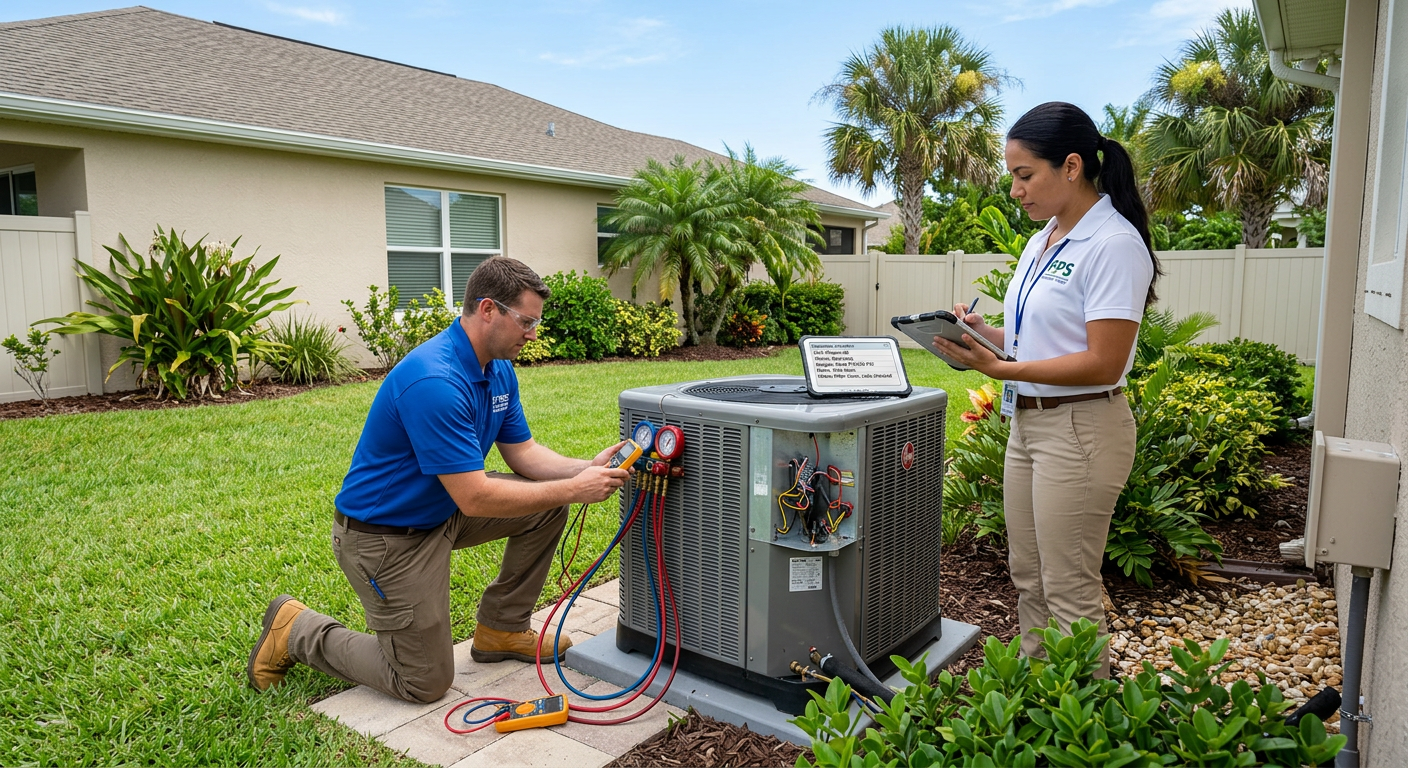
Maintenance is one of the most common sources of landlord-tenant tension, and it is also where deferred action becomes expensive fastest. A small leak, air-conditioning concern, roof issue, or pest entry point can affect the property’s condition, the resident’s confidence, and the owner’s exposure.
Set response standards for emergencies, urgent repairs, and routine requests. A tenant should know where to submit a request, what information to include, and what happens next. We also recommend sending an acknowledgment, documenting vendor scheduling, and closing the work order with photos or a resident confirmation whenever appropriate.
For snowbirds and investors living outside St. Lucie County, visibility is the challenge. A reliable local contact, recurring inspections, vendor oversight, and monthly reporting make it easier to see whether the property is being protected rather than merely reacting after a complaint. Owners managing at a distance can use this Fort Pierce property-management framework for out-of-state owners to evaluate the operating support they need.
Use a Monthly Owner Review to Catch Problems Earlier
The most useful operating habit is a recurring monthly review that spots risk before it becomes a vacancy, court matter, or major repair. This is especially valuable for owners balancing rentals in Fort Pierce with homes or investments in Port Saint Lucie, West Palm Beach, Delray Beach, or Fort Lauderdale.
Review these items every month:
- Rent received, outstanding balances, and payment arrangements
- Open maintenance requests and repairs awaiting approval
- Lease violations, resident complaints, and association communications
- Upcoming renewals, notice deadlines, and pricing decisions
- Vendor invoices, reserve needs, and property-condition concerns
- Vacant-unit activity, showing feedback, and applicant quality
This recurring review is the difference between managing by crisis and managing with control. It creates a clear record for a single-family home, a small multifamily property, or a portfolio where one unresolved issue can distract from larger investment decisions.
A professional management model can help with this structure, but owners should still ask direct questions about response times, tenant screening standards, inspection frequency, maintenance approval limits, owner reporting, and how legal matters are coordinated. Our South Florida long-term rental management owner guide outlines the operating standards worth evaluating.
Avoid Mistakes That Create More Exposure
The fastest way to worsen a tenant dispute is to skip the formal process. Avoid changing locks, shutting off utilities, removing belongings, threatening a tenant, or trying to force a move-out outside the legal process.
Security deposits require equal care. Florida’s consumer guidance explains that if a landlord does not intend to make a claim, the deposit must generally be returned within 15 days after the tenant leaves. If the landlord intends to make a claim, written notice explaining the claim is generally due within 30 days. Review the Florida Department of Agriculture and Consumer Services landlord-tenant guidance and obtain legal advice for any disputed deposit or move-out claim.
Owners should also keep long-term and short-term rental rules separate. Within Fort Pierce city limits, rentals of less than six months must be registered, and the city lists a $350 initial registration fee per unit and a $200 annual renewal fee for qualifying renewals. Review the City of Fort Pierce short-term rental requirements before changing a property’s rental strategy.
Frequently Asked Questions
Can we evict a tenant in Fort Pierce for paying rent late?
Possibly, but the lease terms, payment history, proper notice, and legal requirements matter. A late payment does not automatically mean an immediate removal, and owners should follow the required process rather than relying on verbal demands.
What should we do when a tenant refuses to allow repairs?
Document the repair request, the proposed access times, and every effort to communicate. Access rights and notice requirements can be fact-specific, so seek Florida legal advice if the refusal affects safety, habitability, or a necessary repair.
Can we charge a tenant for property damage?
A landlord may have a valid claim for damage beyond ordinary wear, but the claim needs support. Move-in and move-out photos, inspection reports, invoices, and lease language are far more persuasive than a general allegation.
How long does an eviction take in St. Lucie County?
There is no guaranteed timeline because the case may be uncontested or disputed, and court scheduling can vary. The formal notice period is only one part of the process, so owners should plan conservatively and consult counsel when possession or unpaid rent is at stake.
Should we renew a lease after minor tenant problems?
It depends on the pattern, not one isolated event. Review payment consistency, property care, communication, lease compliance, market rent, and the cost of turnover before deciding whether renewal serves the investment.
Do we need a property manager for one Fort Pierce rental?
Not always. A capable owner with time, local access, reliable vendors, and strong systems may self-manage successfully, while remote owners, accidental landlords, and busy investors may benefit from professional coordination and reporting.
Put a Local Operating Plan Behind Your Rental
If tenant issues are pulling attention away from your work, travel, or wider investment goals, we can help you build a clearer operating system for leasing, maintenance coordination, tenant communication, reporting, and long-term ownership decisions. Visit Beaches Welcome Service to discuss rental management support tailored to your Fort Pierce property and ownership plan.
A Better Process Protects More Than Monthly Rent
Landlord problems with tenants in Fort Pierce are easier to manage when every issue has a defined path: document the facts, use the lease, respond promptly, follow the law, and get qualified legal advice before a dispute becomes a court matter.
The goal is not to create an adversarial rental experience. It is to run a property with clear expectations, respectful communication, reliable maintenance, and records that protect both the asset and the people living there. With that structure in place, we can make better decisions before small problems become expensive setbacks.

