
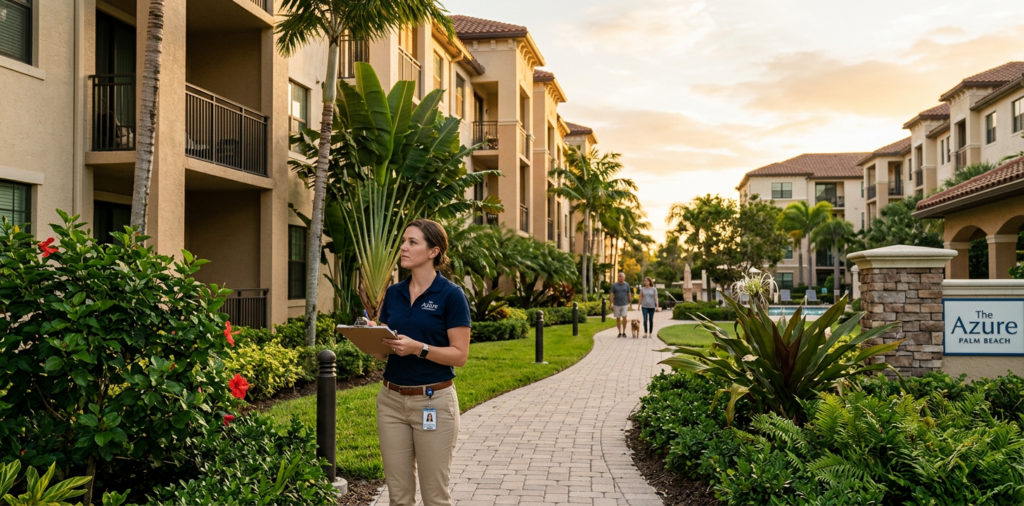
Owning a small apartment building can look simple from a distance: collect rent, address repairs, and keep units filled. In practice, the difference between a stable asset and a stressful one is the operating system behind it.
For owners comparing multi family property management West Palm Beach options, the priority should be protecting net operating income, not finding the lowest monthly fee. Leasing speed, resident retention, repair controls, clear reporting, hurricane readiness, and local vendor coordination all influence what the property actually produces.
The West Palm Beach rental environment rewards disciplined operations. In its 2025 housing market analysis, the U.S. Department of Housing and Urban Development reported an 8.8% apartment vacancy rate in the broader market during the fourth quarter of 2024, while average apartment rent was $2,501. That means owners need a property-specific leasing plan, not an assumption that demand alone will solve vacancy.
What Strong Multifamily Management Looks Like
Strong multifamily management is a repeatable process for protecting income, preserving the building, and giving owners dependable visibility. It covers far more than rent collection because every resident, vendor, lease date, and repair decision affects the asset’s financial performance.
For a duplex, fourplex, or larger community, we look for these core functions:
- Accurate rent positioning based on comparable units, property condition, and concessions nearby
- Consistent applicant standards and documented verification procedures
- Fast, organized leasing follow-up before a vacancy becomes costly
- Maintenance triage with photos, written scope, approval limits, and vendor accountability
- Lease renewal planning well before expiration dates
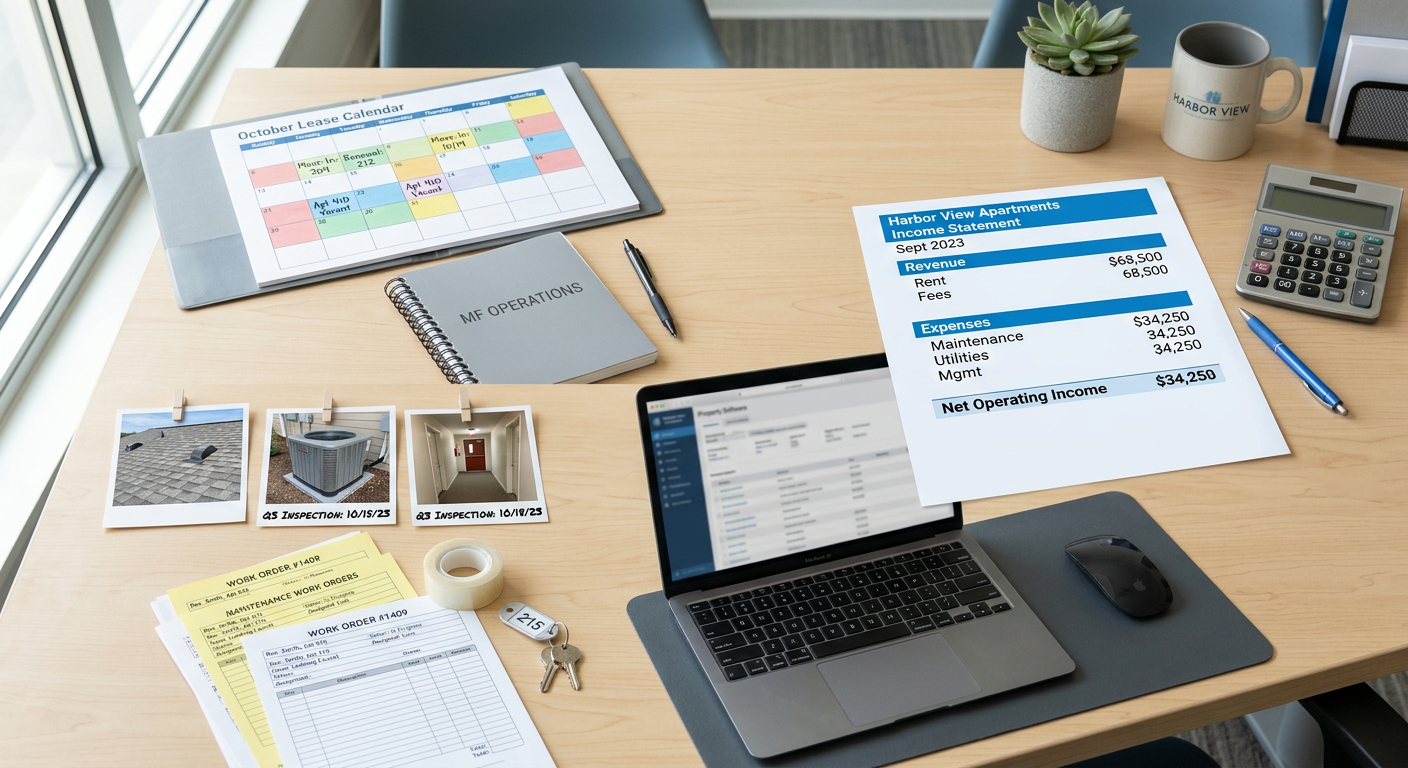
- Monthly reporting that identifies unpaid balances, vacancies, repairs, and upcoming decisions
- Seasonal inspections and storm preparation suited to South Florida conditions
A manager should also understand the difference between an owner who needs basic day-to-day help and an investor who needs property-level decisions connected to a larger portfolio plan. That distinction is why property management services for South Florida rentals and asset-level oversight should work together, rather than exist as separate conversations.
The West Palm Beach Details That Change the Operating Plan
West Palm Beach multifamily ownership requires local judgment because nearby submarkets can behave differently. Downtown buildings, Lake Worth properties, Boynton Beach communities, and older workforce housing each attract different resident profiles and face different competitive pressure.
A 2025 West Palm Beach multifamily market report found that metro vacancy had declined to 4.9% in March 2025, while Lake Worth Beach and Downtown West Palm Beach had each added more than 1,100 units over the prior year. More supply does not mean a property cannot perform. It means owners must compete with clear positioning, responsive leasing, unit readiness, and resident experience.
Leasing Must Reflect the Actual Building
We should never price an older garden-style apartment as if it offers the same experience as a newly delivered luxury building. A practical rent review considers unit finishes, parking, laundry, pet policy, utility structure, commute access, local amenities, and the cost of competing concessions.
For example, a well-kept two-bedroom near transit may need a fast move-in timeline and polished photos more than a rent cut. A dated unit with deferred maintenance may need a targeted refresh, better lighting, fresh paint, or an appliance update before higher pricing is realistic.
Maintenance Is an Income-Protecting Function
In South Florida, air conditioning, moisture, plumbing, roofs, landscaping, and storm exposure are not minor line items. Delayed repairs can create resident dissatisfaction, larger invoices, insurance complications, and faster lease nonrenewals.
We recommend written approval thresholds, emergency protocols, and photo documentation for all material repairs. Owners should know who can authorize an emergency repair, when they receive an update, whether any vendor markup applies, and how the repair will appear on the monthly statement.
Use a Repeatable 7-Day Leasing Cadence
A reliable leasing cadence reduces guesswork and keeps a vacant unit from becoming a prolonged income drain. This Day 11 operating principle is simple: every vacancy needs a documented sequence of actions, not scattered messages and last-minute decisions.
Day 1: Confirm Unit Readiness and Positioning
Complete the make-ready list, photograph the unit, confirm the availability date, and set the asking rent from current local comparisons. Publish complete information about the lease term, deposits, pet policy, parking, utilities, and any association requirements.
Day 2: Respond and Pre-Qualify Consistently
Use the same initial questions for every prospect. Confirm move-in timing, household size, pets, income range, and any basic building rules before scheduling a showing.
Day 3: Conduct Organized Showings
Show a clean unit and provide complete property information. Prospects should leave knowing the next step, required documents, and expected application timing.
Days 4 and 5: Verify the File
Verify identity, income, rental history, and any screening information using written standards applied consistently. The Federal Trade Commission’s landlord guidance explains the responsibilities tied to tenant screening reports and adverse actions.
Days 6 and 7: Document the Decision and Secure Move-In
Finalize the decision according to the written criteria, prepare lease documents, collect permitted funds, schedule utility transfers, and record the unit condition before keys change hands. Clear onboarding prevents avoidable disputes later.
This approach is especially useful for snowbirds, accidental landlords, and investors who live outside Palm Beach County. Our resource on finding good tenants without rushing explains why careful verification is usually less expensive than correcting a poor placement.
Compare Management Models by Total Cost, Not the Headline Fee
The right management model depends on unit count, building condition, owner availability, and reporting needs. We should compare the full first-year cost and operating fit, not simply a single percentage or monthly number.
| Management path | Published or typical structure | Best fit | Important tradeoff |
|---|---|---|---|
| Self-management | Owner-managed | Local, hands-on owners | Time and compliance burden |
| Flat-fee local firm | Monthly fee plus leasing fee | Budget-focused owners | Add-on costs need review |
| Full-service local manager | Custom proposal | Small multifamily owners | Scope can vary by proposal |
| Asset oversight model | Custom operating plan | Investors and private equity | Requires deeper reporting |
Florida’s Property Management publishes multifamily pricing of $129 per month, plus a leasing fee equal to 75% of the first month’s rent, on its multifamily management page. That may suit an owner who values a visible monthly structure, but the leasing fee, repair rules, inspections, and service limits still need to be modeled before signing.
Self-management can work when we live nearby, have reliable vendors, understand lease administration, and can respond promptly to residents. It is less attractive when an owner is managing several units, lives out of state, travels seasonally, or needs stronger financial reporting.
For properties with a renovation plan, refinancing goal, acquisition pipeline, or possible sale, broader multifamily asset oversight can add value. It connects operations to capital planning, property condition, and hold-versus-sell decisions.
Questions We Should Ask Before Hiring a Manager
A good proposal answers operating questions clearly before there is an emergency. Ask each prospective manager for written answers, sample reporting, and a management agreement you can review before making a commitment.
- What is the full cost during the first year, including leasing, renewals, inspections, vacancy, and cancellation?
- Who handles after-hours AC failures, water leaks, and storm-related damage?
- What is the spending limit for emergencies before owner approval is required?
- How are vendors selected, and is a maintenance markup charged?
- What reports arrive each month, and do they show delinquency, lease expirations, vacancies, and repair detail?
- How frequently are units inspected, and how are findings documented?
- What is the renewal process when a resident’s lease is ending?
- Does the company manage similar buildings in West Palm Beach, Lake Worth, Boynton Beach, or Delray Beach?
For a broader checklist, read our comparison of local property management company options. It is designed to help owners separate a low headline price from a service model that actually fits the asset.
Frequently Asked Questions
How much does multifamily property management cost in West Palm Beach?
Costs vary by unit count, service scope, and property condition. Expect a monthly management charge plus potential leasing, renewal, inspection, maintenance coordination, and vacancy-related fees, so we should compare projected annual cost instead of only the recurring fee.
Is a flat monthly fee better than a percentage-based fee?
Neither model is automatically better. A flat fee can be easier to budget, while a percentage structure may align monthly compensation with collected rent, but both require a review of leasing and add-on charges.
Can a manager help with a small fourplex or duplex?
Yes, but we should confirm that the company actively manages small multifamily properties. A small building still needs resident communication, maintenance coordination, lease administration, and reporting, yet its economics differ from a large apartment community.
What reporting should an investor receive each month?
At minimum, owners should receive income and expense detail, unpaid balances, repair summaries, lease-expiration dates, vacancy status, and copies of major invoices. Portfolio owners may also need budget variance tracking and capital project updates.
How should a manager prepare a West Palm Beach property for hurricane season?
The plan should identify roof, drainage, exterior, tree, window, insurance, resident communication, and vendor-response steps before a storm is imminent. We should also confirm how emergency communications and damage documentation will be handled after the event.
Can we change property managers if service is not meeting expectations?
Yes, but first review the agreement for notice periods, transfer duties, account access, resident records, and early termination fees. A capable incoming manager should provide an organized transition plan so leases, deposits, maintenance history, and resident communications remain intact.
Build an Operating Plan Around the Asset
The best outcome is not merely fewer owner calls. It is a building with clear standards, good resident communication, controlled maintenance, timely renewals, and financial information that helps us make better decisions.
Multi family property management in West Palm Beach works best when daily execution supports the larger ownership objective. Whether we own a small rental building, oversee a growing South Florida portfolio, or hold a property while deciding whether to renovate or sell, disciplined operations protect both income and optionality.
Put Local Support Behind Your Multifamily Property
If you want a management plan built around your building, resident needs, and investment goals, Beaches Welcome Service can help. We provide local support for long-term rentals, multifamily operations, asset oversight, and real estate decisions across West Palm Beach and surrounding South Florida markets.

